








Strategic Shifts in Domestic Aviation
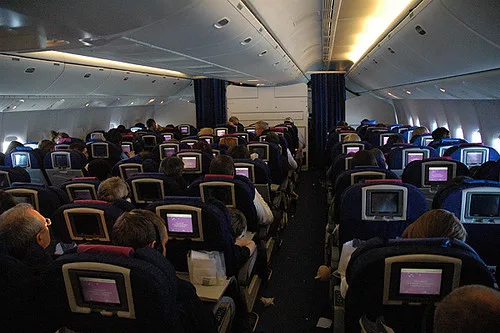
Air India, the flagship carrier currently under Tata Group ownership, is preparing to introduce unbundled, no-meal fare options across approximately 20 domestic sectors. This transition, expected to roll out in the coming months, marks a significant departure from the airline’s traditional full-service positioning as it seeks to compete more aggressively with low-cost carriers (LCCs) and optimize ancillary revenue streams.
Contextualizing the Ancillary Revenue Push
For decades, Air India maintained a legacy model where complimentary in-flight meals were a standard component of every ticket. However, as the Indian aviation market matures and price-sensitive travelers dominate the domestic landscape, the airline is pivoting toward fare segmentation. This move mirrors global industry trends where major carriers decouple base fares from perks like meals, seat selection, and priority boarding to offer more competitive entry-level pricing.
Market Dynamics and Fare Segmentation
The decision to unbundle services on select routes is a calculated effort to sharpen the carrier’s value proposition. By offering ‘no-meal’ fares, Air India can lower its base ticket prices, making its flights more attractive to budget-conscious passengers who currently favor airlines like IndiGo or Akasa Air. This segmentation allows the airline to maintain its premium brand image for long-haul and international flights while remaining agile in the high-frequency, cost-sensitive domestic market.
Industry analysts suggest that this strategy is essential for the airline’s ongoing turnaround plan. According to recent CAPA India reports, ancillary revenue remains a critical lever for Indian airlines to offset high operating costs, including fluctuating fuel prices and intense competition. By shifting to a pay-if-you-use model, Air India can effectively reduce food waste and lower catering overheads on shorter flights where meal service is often underutilized.
Expert Perspectives on Industry Evolution
Aviation consultants point out that the move is not merely about cost-cutting but about consumer choice. “Modern travelers prioritize flexibility and transparency in pricing,” notes an industry analyst familiar with the carrier’s fleet strategy. “By separating the cost of catering from the ticket price, Air India is aligning itself with global best practices adopted by carriers like Lufthansa and United, which have successfully implemented tiered service models to capture diverse market segments.”
Data from the Directorate General of Civil Aviation (DGCA) confirms that domestic air traffic in India is growing at a record pace. With this surge in demand, the ability to tailor service levels to different passenger personas—ranging from business travelers requiring full service to leisure travelers focused on the lowest possible fare—is becoming the primary differentiator for market share growth.
Future Implications for the Industry
As Air India implements these changes, the broader industry is likely to watch how loyal customers react to the removal of complimentary perks. If successful, the model could be expanded to a larger portion of the airline’s domestic network, setting a new standard for how legacy carriers operate in a market dominated by low-cost competitors. The next phase of this strategy will likely involve the introduction of a more sophisticated digital platform, allowing passengers to customize their in-flight experience through add-ons, potentially boosting the airline’s non-ticket revenue significantly before the end of the fiscal year.