









High-Stakes Diplomacy in Washington
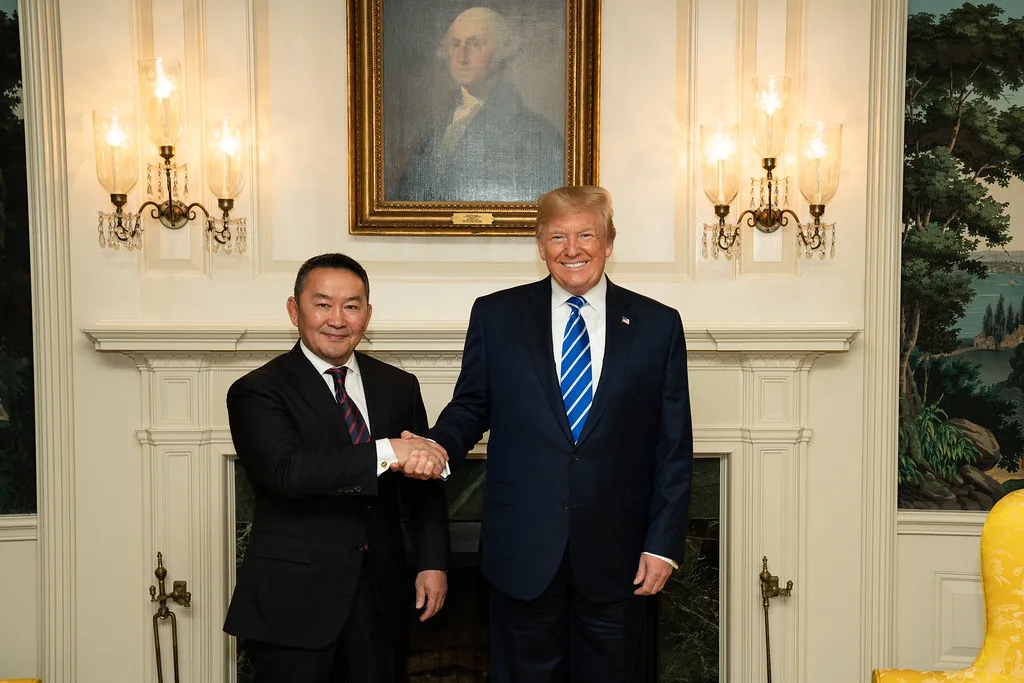
President Donald Trump and Prime Minister Narendra Modi are scheduled to convene in the coming weeks to address a burgeoning list of bilateral frictions, primarily centered on escalating trade protectionism and a sensitive diplomatic dispute regarding the killing of a marine. The meeting, set to take place in Washington, serves as a critical juncture for the two nations to reconcile their differing economic priorities while managing the fallout from a series of high-profile legal and trade-related controversies that have strained the strategic partnership.
The Context of Trade Friction
The relationship between New Delhi and Washington has faced mounting pressure as the U.S. government implements penal tariffs on various Indian exports, citing concerns over market access and trade imbalances. These levies have particularly impacted sectors such as steel, aluminum, and textiles, forcing Indian policymakers to reconsider their competitive positioning in the global market. India has long argued that its domestic industries require protective measures to maintain a competitive edge against regional rivals, a stance that frequently clashes with the Trump administration’s ‘America First’ trade agenda.
Complexities of the Diplomatic Row
Beyond trade, the summit is overshadowed by a diplomatic row involving the detention and subsequent legal proceedings related to the killing of a marine. This incident has sparked significant public outcry in both nations, complicating the efforts of diplomats to maintain focus on security and economic cooperation. Analysts suggest that while both leaders seek to project a united front, the emotional weight of this incident necessitates a delicate balancing act to ensure that domestic political pressures do not derail long-term strategic objectives.
Economic Impacts and Industry Perspectives
Industry experts emphasize that the uncertainty surrounding tariff structures is creating a volatile environment for investors. According to recent data from the U.S. Trade Representative’s office, the trade deficit with India remains a primary pain point for the White House, while Indian industry leaders express concern over the erosion of their market share in the United States. ‘The challenge lies in transitioning from a transactional trade relationship to one that accounts for mutual industrial growth,’ says trade economist Dr. Aris Thorne. He notes that without a clear framework for tariff reduction, both nations risk losing ground in the broader Indo-Pacific economic corridor.
Strategic Implications and Future Outlook
The outcome of these talks will likely dictate the trajectory of U.S.-India relations for the remainder of the fiscal year. Observers are watching for any signs of a ‘mini-trade deal’ that could provide temporary relief from tariffs, as well as joint statements addressing the marine case to lower regional tensions. Looking ahead, the focus will shift toward whether New Delhi can secure concessions that protect its manufacturing sector while simultaneously assuaging U.S. demands for deeper market liberalization. Stakeholders should monitor upcoming ministerial-level committee meetings, as these will provide the clearest indicators of whether the diplomatic deadlock is beginning to thaw or if protectionist policies will remain the status quo.