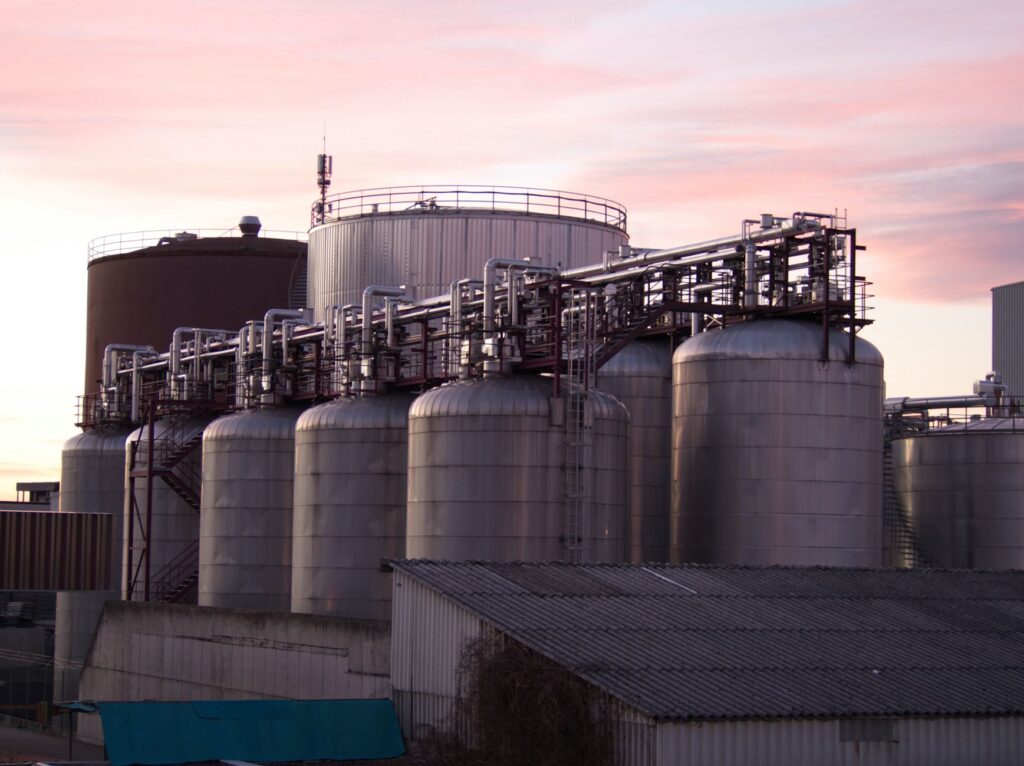

The Union Cabinet of India approved a landmark ₹3,030-crore scheme, titled BHAVYA Rasayan, on Wednesday to establish three mega chemical parks featuring shared modern infrastructure across the country. The five-year initiative aims to dramatically scale up domestic manufacturing, accelerate chemical exports, attract substantial private investment, and create thousands of skilled industrial jobs.
Building Capacity in a Shifting Global Market
India currently stands as the sixth-largest producer of chemicals globally and the third-largest in Asia. Despite this significant footprint, the domestic industry remains heavily reliant on imports for key basic chemicals and intermediate feedstocks.
Global supply chains are undergoing a structural realignment as multinational corporations pursue a China Plus One strategy to diversify manufacturing hubs. India’s strategic location along major maritime trade routes positions the country as a prime beneficiary of this realignment, provided adequate infrastructure is available.
Historically, chemical manufacturers in the region faced significant hurdles, including high logistics costs, fragmented production clusters, and stringent land acquisition processes. High capital requirements for individual waste management facilities also squeezed margins for small and medium enterprises.
Infrastructure Efficiency and Competitive Federalism
The newly unveiled BHAVYA Rasayan scheme directly addresses these historical bottlenecks by introducing a plug-and-play cluster development model. Under the program, the central government will co-fund shared utilities, specialized logistics hubs, central effluent treatment plants, and advanced hazardous waste management facilities.
By centralizing environmental compliance and utility distribution, the initiative aims to reduce capital expenditure for individual operating units by up to 30 percent. This shared approach dramatically lowers the entry barrier for specialized chemical manufacturers and startup ventures.
To determine the sites for the three mega parks, the central government is implementing a competitive selection process among interested states. Participating state governments must submit proposals detailing land availability, power tariffs, port proximity, and local regulatory incentives.
This competitive federalism framework incentivizes state governments to streamline administrative approvals and offer competitive utility rates. State submissions will be evaluated on project readiness, environmental sustainability metrics, and connectivity to key transport corridors.
Economic Impact and Sectoral Growth Targets
Industry analysts project that the ₹3,030-crore central outlay will act as a catalyst, unlocking over ₹50,000 crore in private sector investment over the next decade. The consolidation of manufacturing inside designated zones is anticipated to generate upwards of 100,000 direct and indirect positions across chemical engineering, logistics, and maintenance sectors.
Data from the Ministry of Chemicals and Fertilizers highlights that India imported over $20 billion worth of organic and inorganic chemicals in the previous fiscal year. Industry experts believe the cluster approach could substitute up to 25 percent of these imports within six years, significantly improving the national trade balance.
Specialty chemicals represent one of the fastest-growing segments within the global market, expanding at a compound annual growth rate of over 8 percent. Experts point out that dedicated parks equipped with world-class effluent processing are essential for India to capture a larger share of this high-value market.
Global Supply Chains and Future Outlook
The rollout of the BHAVYA Rasayan scheme comes at a crucial juncture for global trade dynamics, where supply chain resilience and environmental standards dictate market access. Integrating centralized circular economy practices—such as industrial water recycling and zero liquid discharge systems—will be vital for these parks to meet international environmental, social, and governance standards.
In the coming months, industry observers will closely watch the release of detailed bidding guidelines and the selection of host states. The speed at which state governments allocate land and secure environmental clearances will serve as a primary indicator of how rapidly these mega parks can become operational.
As international buyers seek reliable, sustainable manufacturing partners outside traditional markets, the execution of the BHAVYA Rasayan initiative will determine whether India can transform its domestic chemical landscape into a dominant global hub.