

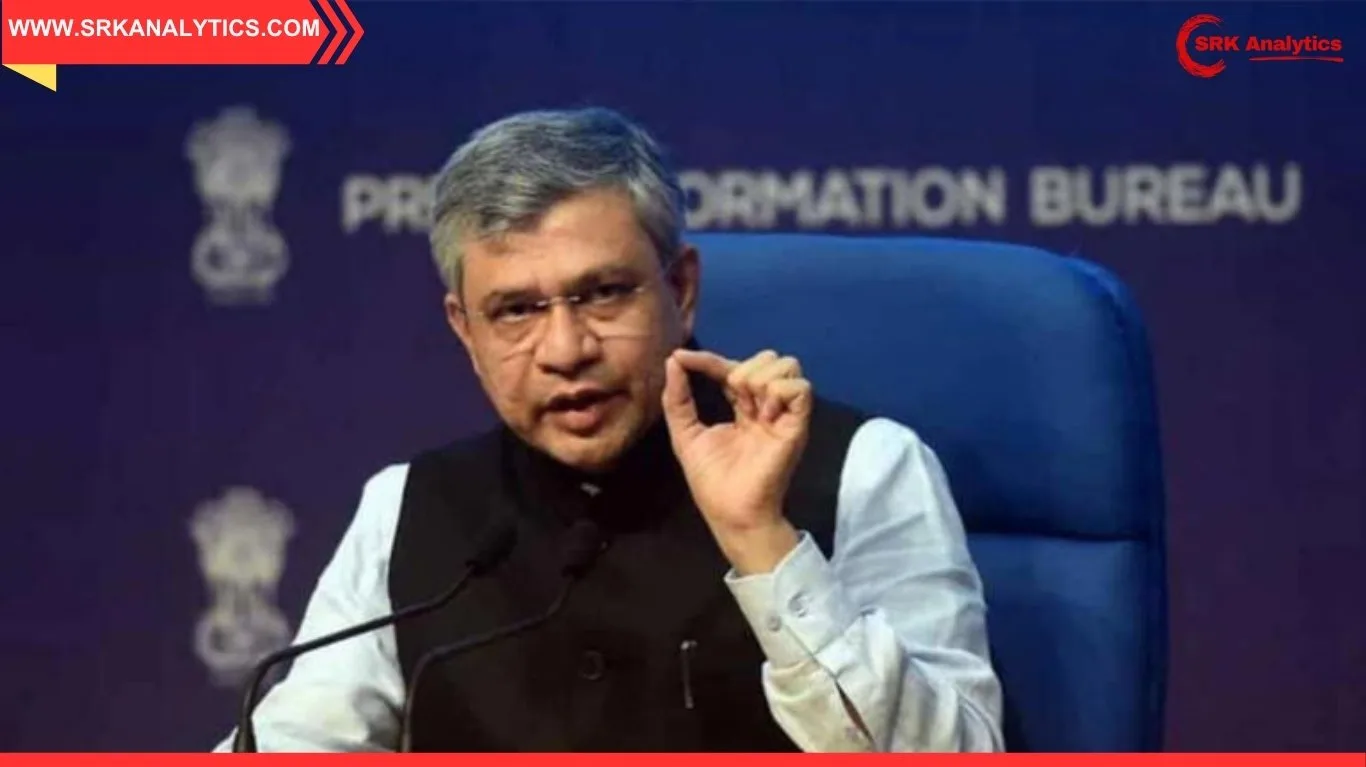
In a landmark move to revitalize India’s export ecosystem and shield vulnerable sectors from global tariff shocks, the Union Cabinet has approved the ambitious Export Promotion Mission (EPM) with a total outlay of ₹25,060 crore. This strategic initiative, spanning six years from FY 2025–26 to FY 2030–31, is designed to empower micro, small, and medium enterprises (MSMEs), first-time exporters, and labor-intensive industries that have been adversely impacted by rising international trade barriers.
The EPM marks a paradigm shift in India’s export strategy, transitioning from fragmented schemes to a unified, outcome-driven, and digitally enabled framework. The mission aims to streamline export facilitation, enhance access to trade finance, reduce compliance burdens, and promote diversification into new global markets.
Strategic Objectives of the Export Promotion Mission
The newly launched EPM is anchored in five core objectives:
- Strengthen MSME participation in global trade by offering targeted support and incentives.
- Mitigate the impact of global tariff hikes on labor-intensive sectors such as textiles, leather, gems and jewellery, engineering goods, and marine products.
- Simplify and unify export schemes under a single digital platform to improve transparency and efficiency.
- Expand access to affordable trade finance through a revamped credit guarantee mechanism.
- Promote brand India globally by supporting marketing, certification, and logistics for exporters.
Sectoral Focus and Financial Allocation
The mission’s financial architecture is structured to prioritize sectors that have borne the brunt of recent tariff escalations. The following allocation matrix outlines the sector-wise distribution of funds under the EPM:
| Sector | Allocation (₹ Crore) | Key Interventions |
|---|---|---|
| Textiles & Apparel | 5,000 | Technology upgradation, market access, branding |
| Leather & Footwear | 3,000 | Design innovation, compliance support, logistics aid |
| Gems & Jewellery | 2,500 | Quality certification, trade fair participation |
| Engineering Goods | 4,000 | R&D support, export clusters, digital enablement |
| Marine Products | 2,000 | Cold chain infra, traceability systems, market access |
| MSME Exporters (General) | 6,000 | Credit guarantee, digital onboarding, training |
| Others (Agri, Pharma) | 2,560 | Product-specific interventions, export hubs |
This targeted approach ensures that the most vulnerable and high-potential sectors receive the necessary support to regain competitiveness in global markets.
Key Components of the Mission Framework
The EPM is structured around four major pillars, each designed to address specific bottlenecks in the export value chain:
- Unified Digital Export Platform
A centralized portal will integrate all export-related schemes, documentation, approvals, and compliance tracking. This will reduce redundancy and improve ease of doing business for exporters. - Expanded Credit Guarantee Scheme
With ₹20,000 crore earmarked for credit enhancement, the scheme will de-risk lending to exporters, especially MSMEs, and facilitate access to working capital and pre-shipment finance. - Compliance and Certification Support
Exporters will receive assistance in meeting international quality standards, obtaining certifications, and navigating non-tariff barriers in key markets. - Market Diversification and Branding
The mission will fund participation in global trade fairs, digital marketing campaigns, and branding initiatives to position Indian products in emerging and developed markets.
Timeline and Implementation Strategy
The EPM will be implemented in a phased manner over six years, with annual reviews and mid-course corrections based on performance metrics. The following timeline outlines the key milestones:
| Year | Focus Areas | Expected Outcomes |
|---|---|---|
| 2025–26 | Platform development, credit scheme rollout | 1 lakh MSMEs onboarded, 10% increase in credit flow |
| 2026–27 | Sectoral interventions, compliance support | 15% rise in certified exporters |
| 2027–28 | Market access programs, trade fair participation | Entry into 20 new markets |
| 2028–29 | Logistics and branding initiatives | 25% reduction in export logistics cost |
| 2029–30 | Monitoring and scaling successful models | Doubling of MSME export share |
| 2030–31 | Consolidation and exit strategy | Sustainable export ecosystem |
Exporters’ Response and Industry Reactions
The announcement has been met with optimism across industry bodies and export councils. The Federation of Indian Export Organisations (FIEO) welcomed the move, stating that the mission addresses long-standing demands for a cohesive export strategy.
Mr. Rajiv Mehta, CEO of a leading textile export firm in Tiruppur, said, “The GST and tariff hikes had severely dented our margins. This mission gives us hope—especially the credit guarantee and compliance support components.”
However, some experts have cautioned that timely implementation and inter-ministerial coordination will be critical to the mission’s success. They have urged the government to ensure that the digital platform is user-friendly and that fund disbursement is transparent and efficient.
Comparative Analysis: India’s Export Support vs Global Peers
To contextualize India’s EPM, it is useful to compare it with similar initiatives in other major exporting nations:
| Country | Export Support Program | Key Features | Annual Budget (USD) |
|---|---|---|---|
| China | Export Credit Insurance Scheme | Large-scale credit insurance, subsidies | $30 billion |
| Germany | Hermes Cover | Export guarantees, SME focus | $10 billion |
| South Korea | K-Sure | Risk mitigation, market entry support | $8 billion |
| India | Export Promotion Mission | Unified digital platform, credit, compliance | $5 billion (6 years) |
While India’s EPM is a significant step forward, sustained investment and policy continuity will be essential to match the scale and impact of global peers.
Challenges and Risk Mitigation
Despite its ambitious scope, the EPM faces several implementation challenges:
- Digital Readiness: Many MSMEs lack the digital infrastructure to fully leverage the unified platform.
- Credit Absorption: Banks may remain risk-averse despite guarantees, limiting credit flow.
- Global Trade Volatility: Geopolitical tensions and protectionist policies could offset gains.
- Monitoring and Evaluation: Ensuring accountability and outcome-based disbursement will require robust data systems.
To address these, the government plans to establish a dedicated Export Promotion Council with representation from industry, academia, and policy think tanks. This body will oversee implementation, resolve bottlenecks, and recommend course corrections.
Long-Term Vision: Doubling India’s Export Share
The EPM is aligned with India’s broader vision of increasing its share in global merchandise exports from the current 1.8% to 3.5% by 2031. The mission is expected to contribute significantly to this goal by:
- Increasing MSME contribution to total exports from 48% to 60%
- Enhancing India’s presence in high-growth markets like Africa, Latin America, and Southeast Asia
- Reducing trade deficit through value-added exports
Conclusion
The ₹25,060 crore Export Promotion Mission represents a bold and timely intervention to rejuvenate India’s export engine. By focusing on MSMEs, digital integration, and market diversification, the mission has the potential to transform India’s trade landscape. However, its success will hinge on effective execution, stakeholder coordination, and adaptability to global trade dynamics.
As India steps into a new era of export-led growth, the EPM could serve as a blueprint for inclusive and resilient trade development, ensuring that Indian exporters not only survive but thrive in an increasingly competitive global marketplace.
Disclaimer: This article is intended for informational purposes only. The views and projections mentioned are based on current data and expert opinions and are subject to change. Readers are advised to consult official government releases and trade bodies for the most accurate and updated information.