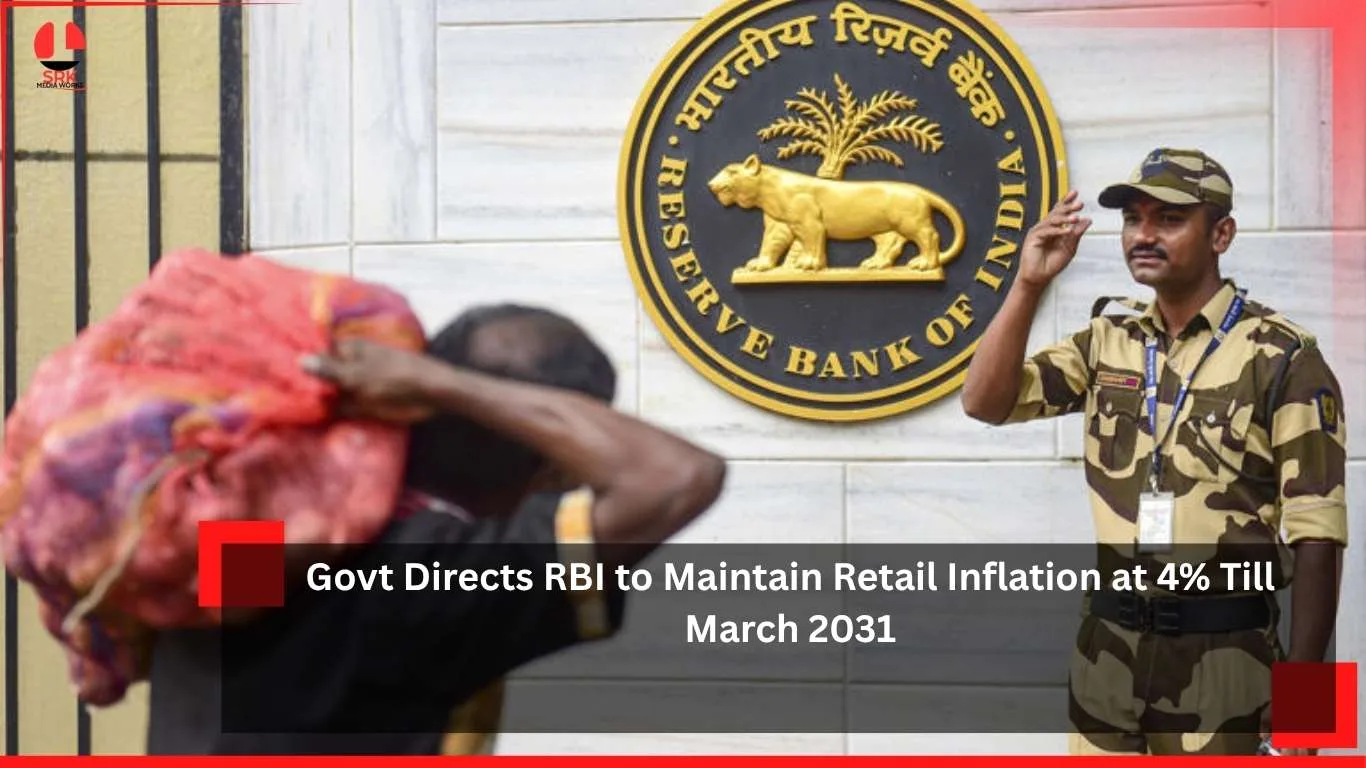




In a remarkable economic development, India’s retail inflation based on the Consumer Price Index (CPI) plummeted to a record low of just 0.25% in October 2025. This marks the lowest year-on-year increase in consumer prices since the inception of the current CPI series in 2012. The dramatic slowdown in inflation is being attributed to the recent Goods and Services Tax (GST) rate cuts and a favorable base effect, alongside a broad-based decline in food prices.
This historic low inflation figure has sparked widespread discussion among economists, policymakers, and consumers alike. The previous record low was 1.46% in June 2017, but the October 2025 data has now set a new benchmark, reflecting a significant shift in the country’s inflationary dynamics.
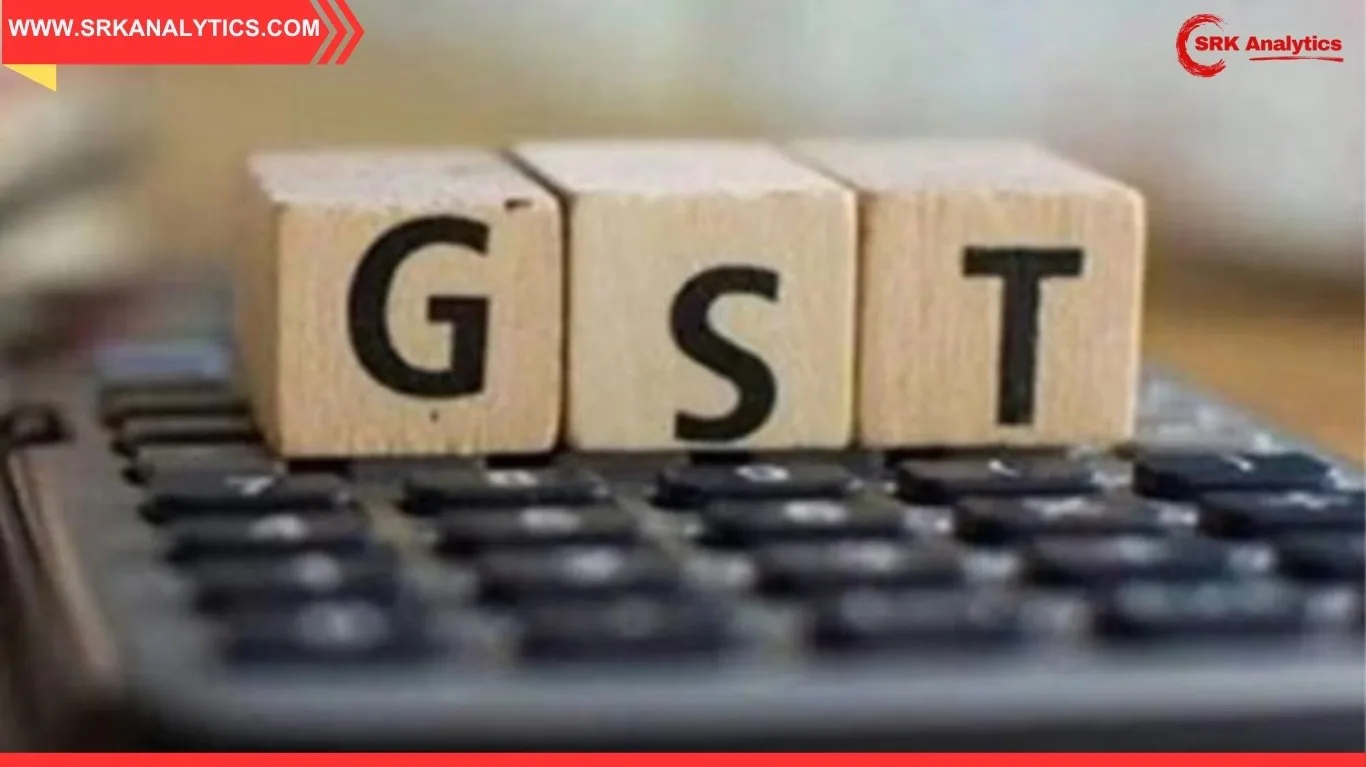
GST Reforms Drive Disinflation
The sharp drop in inflation follows the implementation of revised GST rates that came into effect on September 22, 2025. These reforms aimed to rationalize tax slabs and reduce the burden on essential goods and services. The full-month impact of these changes was visible in October’s CPI data, which showed a substantial easing in price pressures across multiple categories.
Economists have noted that the GST rate cuts played a pivotal role in reducing the cost of goods, particularly in the food and beverages segment. This sector, which holds a significant weight in the CPI basket, witnessed a deflation of 3.7% in October, compared to a 1.2% decline in September.
Urban vs Rural Inflation Trends
The inflation data revealed a stark contrast between urban and rural areas. While urban inflation stood at 0.88%, rural inflation entered negative territory for the first time ever, registering a -0.25% year-on-year change. This divergence underscores the differential impact of GST reforms and food price trends across geographies.
| Region | CPI Inflation (YoY) – October 2025 |
|---|---|
| Urban | 0.88% |
| Rural | -0.25% |
| All-India Avg | 0.25% |
The negative inflation in rural areas is largely attributed to the steep fall in prices of perishables, pulses, and cereals—staples that form a larger share of rural consumption.
Sector-Wise Breakdown of Inflation
To better understand the drivers behind the record-low inflation, a sector-wise analysis of the CPI components is essential. The following breakdown highlights the key contributors to the October 2025 inflation figure:
| CPI Category | Inflation Rate (YoY) – October 2025 |
|---|---|
| Food & Beverages | -3.7% |
| Housing | 3.2% |
| Fuel & Light | 1.1% |
| Clothing & Footwear | 2.4% |
| Miscellaneous Services | 1.8% |
| Health | 2.0% |
| Education | 1.5% |
The food and beverages category, which constitutes nearly 46% of the CPI basket, was the primary deflationary force. Meanwhile, housing and miscellaneous services continued to show moderate inflation, reflecting stable demand in urban centers.
Monthly Inflation Trend in 2025
The monthly trajectory of inflation in 2025 reveals a consistent downward trend, culminating in the October low. The following data illustrates the month-wise CPI inflation rates:
| Month | CPI Inflation (YoY) |
|---|---|
| January | 5.1% |
| February | 4.8% |
| March | 4.3% |
| April | 3.9% |
| May | 3.2% |
| June | 2.7% |
| July | 2.1% |
| August | 1.8% |
| September | 1.44% |
| October | 0.25% |
This steady decline reflects both structural reforms and cyclical factors, including a high base from the previous year and easing global commodity prices.
Expert Opinions and Economic Implications
While the record-low inflation has been welcomed by consumers and policymakers, economists have cautioned against interpreting it as a long-term trend. Many believe that the sharp drop is largely statistical, driven by the base effect and temporary food price corrections.
Dr. Meera Iyer, a senior economist at the Indian Institute of Economic Research, remarked, “The October inflation print is certainly historic, but it’s important to recognize the underlying drivers. The GST cuts and food price deflation are significant, but these may not sustain beyond the short term.”
Others have pointed out that the inflation trajectory may reverse in the coming months due to seasonal factors and potential supply-side disruptions. The winter season typically sees a rise in vegetable prices, and any adverse weather events could further impact food inflation.
Impact on Monetary Policy
The Reserve Bank of India (RBI) is likely to take note of the sharp disinflation while formulating its monetary policy stance. With inflation well below the central bank’s target range of 2-6%, there may be room for a more accommodative policy approach.
However, RBI officials have previously emphasized the importance of anchoring inflation expectations and avoiding premature policy easing. The central bank may choose to wait for more data before making any significant changes to interest rates.
Consumer Sentiment and Market Response
The record-low inflation has had a positive impact on consumer sentiment, particularly in rural areas where price pressures have eased significantly. Lower inflation translates to higher real incomes, boosting purchasing power and consumption.
Retailers and FMCG companies have reported a slight uptick in demand, especially for discretionary items. However, some businesses have expressed concerns about margin pressures due to lower pricing power.
On the financial markets front, bond yields have softened in response to the inflation data, while equity markets have remained stable. Investors are closely watching the RBI’s next move, which could influence capital flows and currency dynamics.
Government’s Perspective
The government has hailed the October inflation data as a validation of its economic policies, particularly the GST reforms. Finance Ministry officials have reiterated their commitment to maintaining price stability while supporting growth.
A senior official stated, “The GST rationalization was aimed at reducing the tax burden on essential goods and improving compliance. The inflation data shows that these measures are yielding results, and we will continue to monitor the situation closely.”
Outlook for the Coming Months
Looking ahead, most analysts expect inflation to inch up in November and December due to the waning base effect and seasonal factors. However, the overall inflation trajectory for FY2025-26 is likely to remain benign, provided there are no major supply shocks.
The following projections summarize the expected inflation path for the next few months:
| Month | Projected CPI Inflation (YoY) |
|---|---|
| November | 0.9% |
| December | 1.3% |
| January | 1.8% |
| February | 2.2% |
These projections are subject to change based on global commodity prices, monsoon patterns, and policy interventions.
Conclusion
The unprecedented drop in India’s retail inflation to 0.25% in October 2025 marks a significant milestone in the country’s economic journey. Driven by GST reforms, a favorable base effect, and easing food prices, this development offers both opportunities and challenges.
While consumers benefit from lower prices, policymakers must remain vigilant to ensure that inflation remains within the target range without compromising growth. The coming months will be crucial in determining whether this disinflationary trend is sustainable or merely a statistical anomaly.
As India navigates this new economic landscape, the focus must remain on structural reforms, supply chain resilience, and inclusive growth to ensure long-term price stability and prosperity for all.
Disclaimer: This article is intended for informational purposes only. The views and projections mentioned are based on current data and expert opinions and are subject to change. Readers are advised to consult official sources and financial advisors before making any economic or investment decisions.