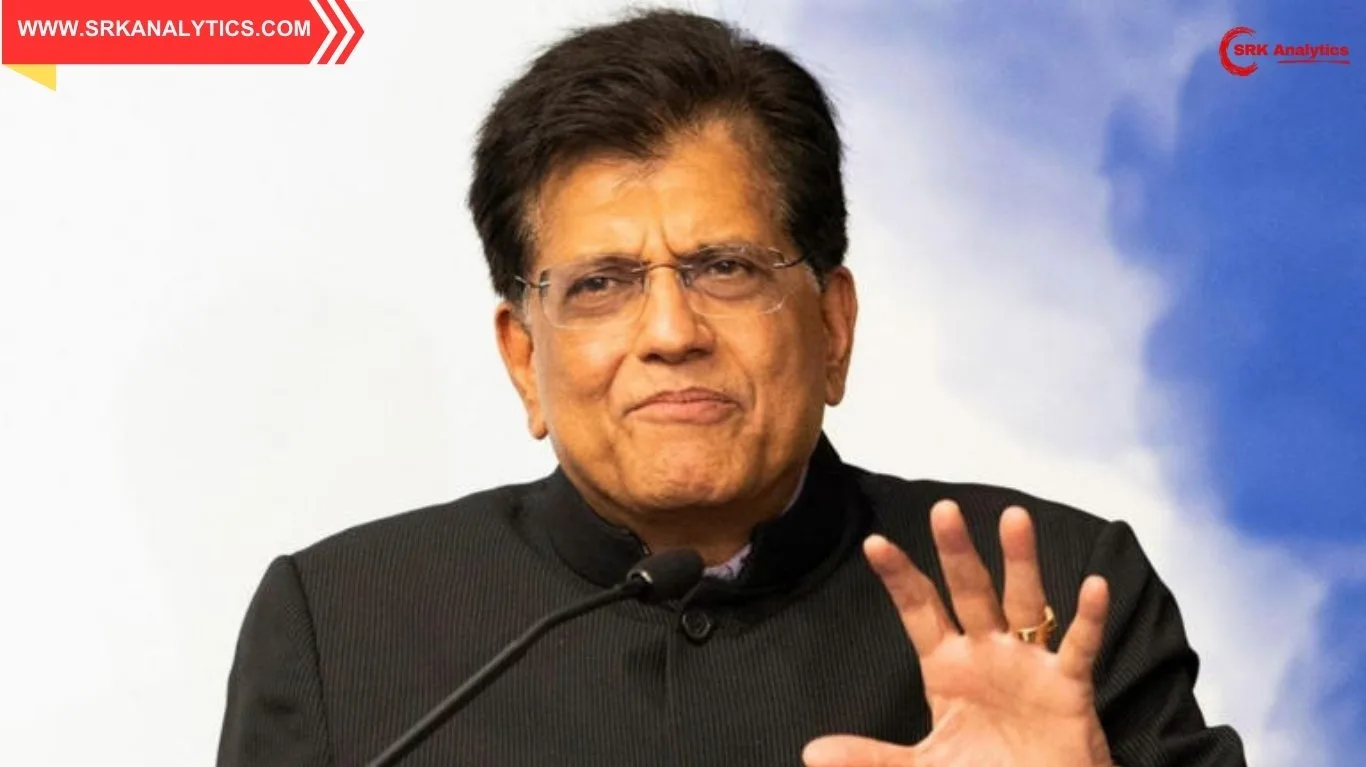
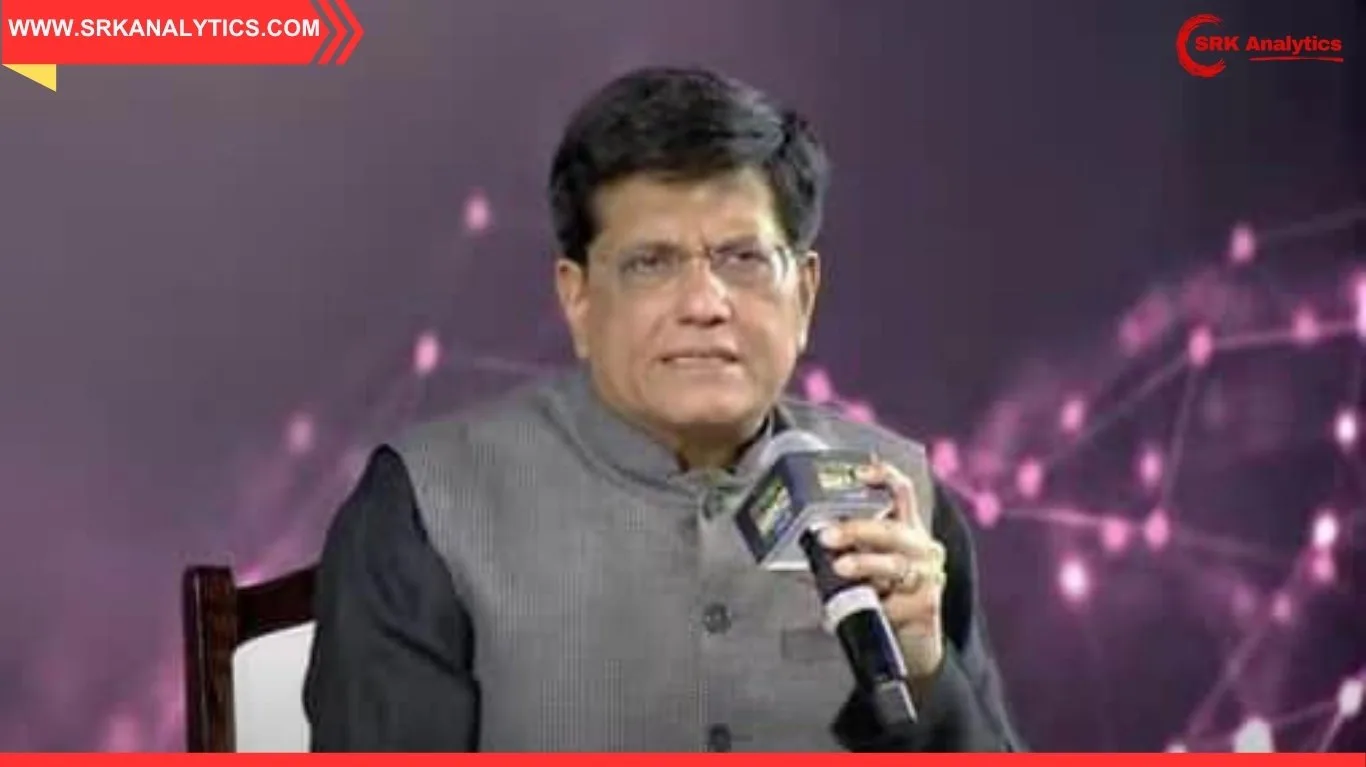
Union Commerce and Industry Minister Piyush Goyal has strongly criticized the current credit rating framework in India, calling it “ridiculous” for evaluating micro, small, and medium enterprises (MSMEs) using the same parameters as billion-dollar corporations. Speaking at a business forum organized by CareEdge Global on November 11, 2025, Goyal emphasized the urgent need for a more nuanced and equitable system that reflects the unique challenges and capacities of MSMEs.
Goyal’s Core Argument: “One Size Doesn’t Fit All”
Goyal pointed out the absurdity of benchmarking a ₹100–200 crore engineering firm against a multinational steel conglomerate like JSW Steel, which has a market capitalization exceeding $100 billion. “Just because they are both in the steel sector doesn’t mean they should be rated the same way,” he said. “Whoever has come up with this framework is answerable.”
He further criticized rating agencies for exaggerating minor policy shifts or disruptions, which often leads to panic in the markets and unfairly penalizes fundamentally sound companies.
Key Issues With Current Rating Norms
| Issue | Impact on MSMEs |
|---|---|
| Uniform benchmarks | Ignores scale, resources, and operational scope |
| Overemphasis on financial ratios | Disadvantages firms with limited capital but strong fundamentals |
| Lack of sector-specific metrics | Fails to capture industry-specific challenges |
| Reactionary downgrades | Triggers investor panic and credit tightening |
Goyal’s remarks reflect growing concerns among MSME stakeholders who argue that the current system stifles innovation, restricts access to credit, and undermines investor confidence in emerging businesses.
The Role of MSMEs in India’s Economy
MSMEs are the backbone of India’s economy, contributing nearly 30% to the GDP and employing over 110 million people. They are also responsible for 48% of India’s total exports and play a critical role in rural and semi-urban employment.
| Sector | Contribution |
|---|---|
| GDP | ~30% |
| Employment | 110 million+ |
| Exports | 48% of total exports |
| Registered MSMEs (Udyam) | 1.5 crore+ |
Despite their importance, MSMEs often face challenges in accessing formal credit, navigating regulatory frameworks, and scaling operations. The flawed rating system, according to Goyal, only exacerbates these issues.
Industry Reactions and Policy Implications
Goyal’s comments have been welcomed by MSME associations, entrepreneurs, and financial experts who have long advocated for a differentiated rating model.
Key recommendations emerging from the discussion include:
- Sector-specific rating templates that account for industry dynamics
- Size-based benchmarks to reflect operational scale
- Inclusion of qualitative metrics such as innovation, employment generation, and ESG compliance
- Regulatory oversight to ensure transparency and accountability in rating practices
The Ministry of Commerce and Industry is reportedly in talks with SEBI and RBI to explore reforms in the credit rating ecosystem.
Comparative Analysis: MSMEs vs Large Corporates
| Parameter | MSMEs | Billion-Dollar Firms |
|---|---|---|
| Turnover | ₹1–250 crore | ₹10,000 crore+ |
| Workforce | 10–500 employees | 10,000+ employees |
| Access to Capital | Limited | Extensive |
| Risk Absorption | Low | High |
| Rating Impact | High (credit cost, investor trust) | Moderate |
This disparity underscores the need for a rating system that recognizes the structural differences between enterprise categories.
Global Best Practices in MSME Rating
Countries like Germany, Japan, and South Korea have adopted MSME-specific credit evaluation frameworks that blend financial metrics with qualitative assessments. These models have helped improve credit access and foster innovation.
| Country | MSME Rating Approach |
|---|---|
| Germany | Chamber-based certification and sectoral benchmarks |
| Japan | Credit Guarantee Corporations and SME-focused banks |
| South Korea | Government-backed credit scoring and mentoring |
India could draw lessons from these models to build a more inclusive and growth-oriented rating system.
Conclusion
Piyush Goyal’s sharp critique of the current credit rating norms has reignited the debate on financial equity for MSMEs. As India aspires to become a $5 trillion economy, empowering its MSME sector with fair and realistic credit assessments is not just desirable—it is essential. The onus now lies on regulators, rating agencies, and policymakers to translate this call for reform into actionable change.
Disclaimer: This article is based on publicly available statements and policy discussions. Readers are advised to consult official government releases and regulatory updates for the latest developments.