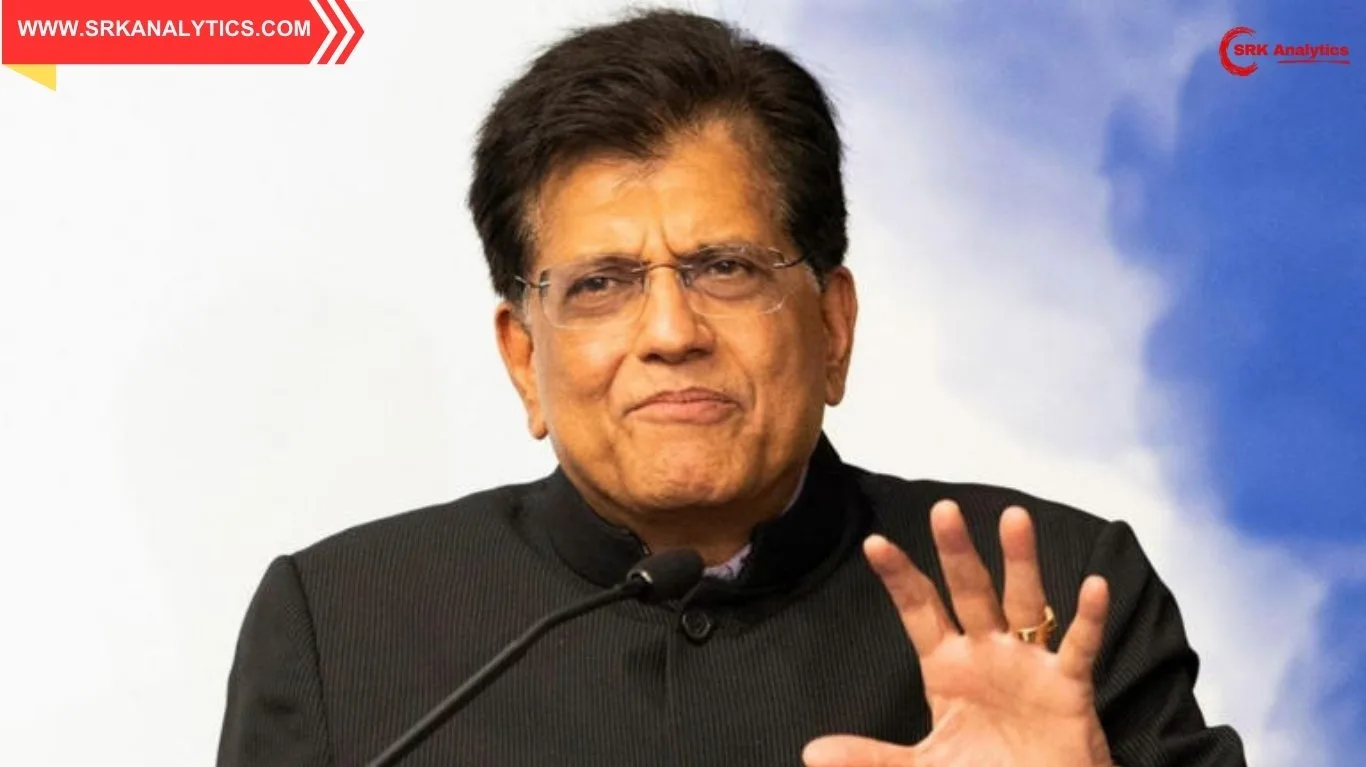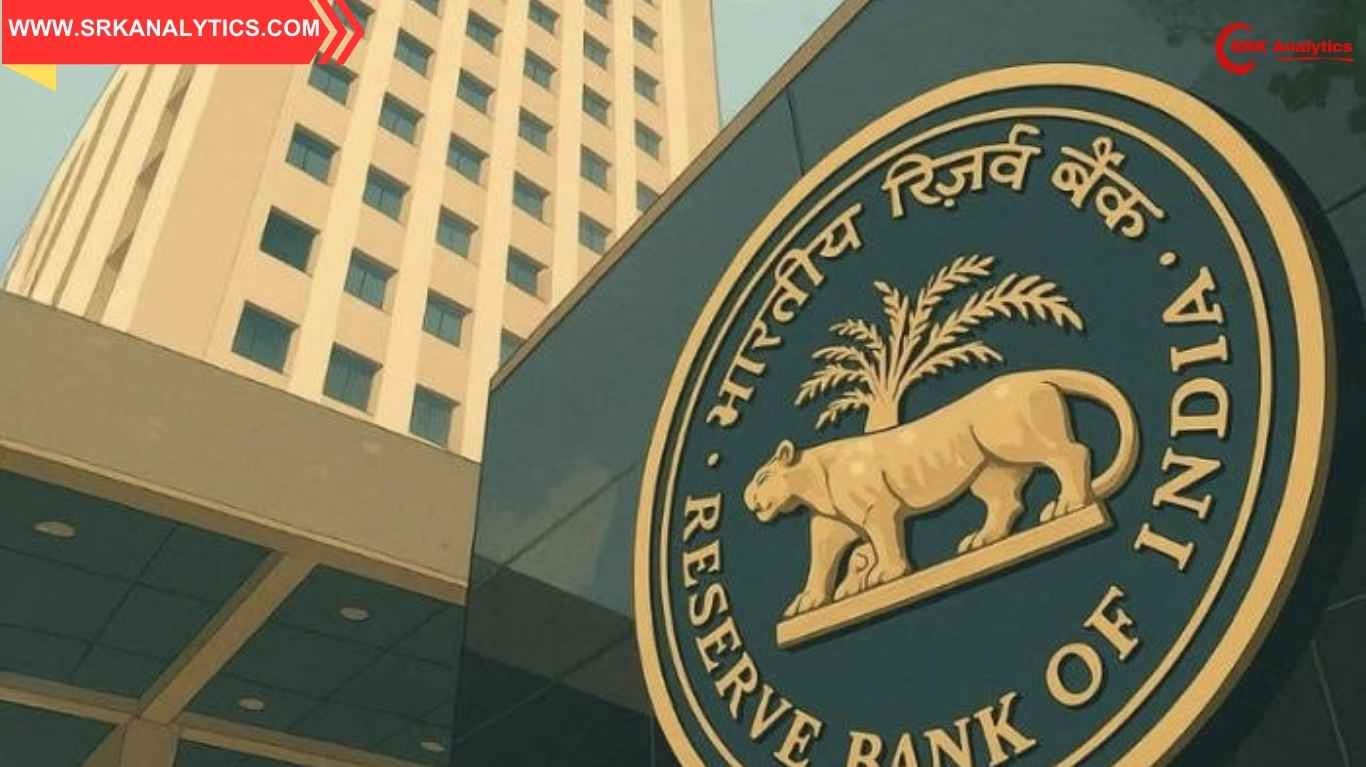
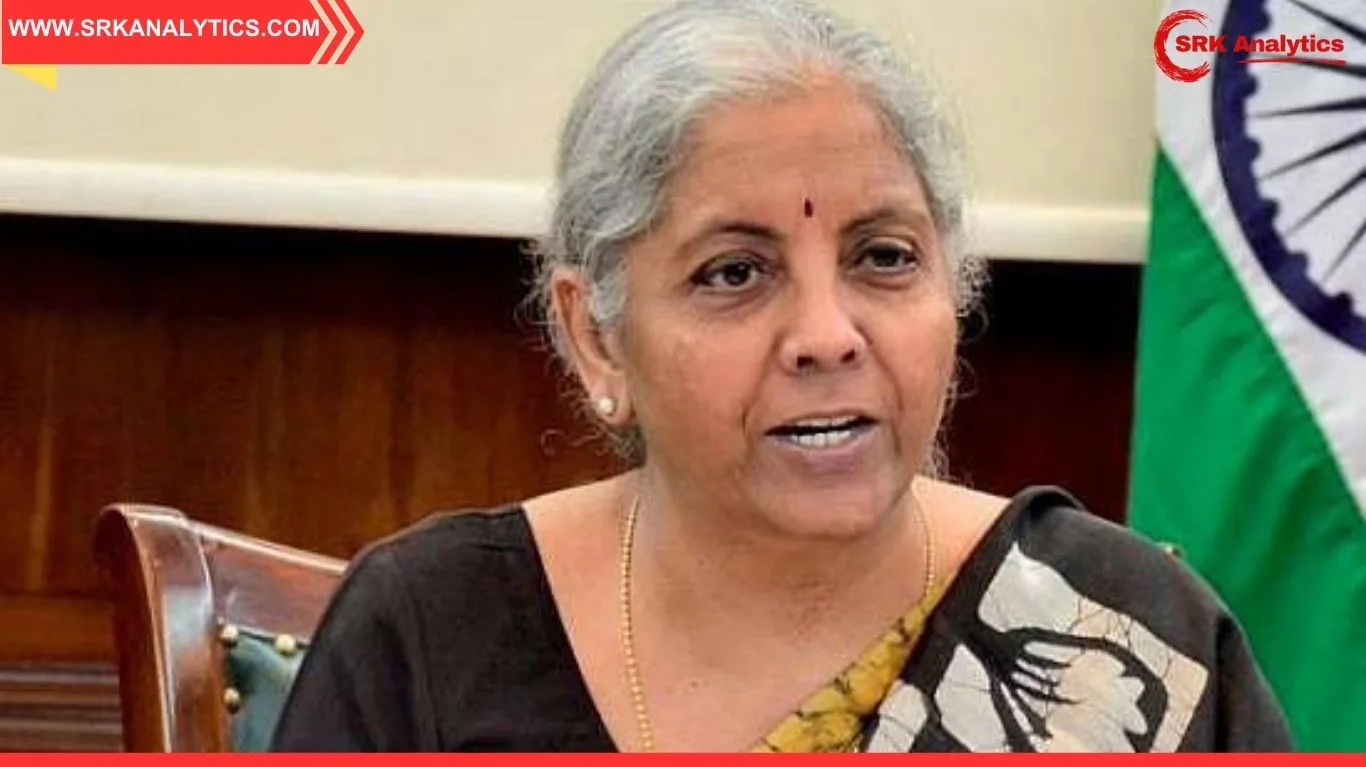
As India prepares for the Union Budget 2026, a chorus of leading economists has urged the central government to focus on boosting private sector investment while maintaining a strict adherence to fiscal prudence. During a high-level pre-budget consultation chaired by Finance Minister Nirmala Sitharaman and Chief Economic Advisor Anantha Nageswaran, experts emphasized the need for a calibrated policy approach that balances growth with macroeconomic stability.
The meeting, held in New Delhi, brought together economists from academia, industry, and think tanks. Their recommendations centered on accelerating private capital expenditure, reducing foreign dependence in manufacturing, and ensuring that fiscal consolidation remains on track despite global headwinds.
Key Recommendations from Economists
- Enhance private sector participation through targeted incentives and regulatory simplification.
- Stick to the fiscal glide path to maintain investor confidence and macroeconomic stability.
- Introduce a comprehensive manufacturing policy with a focus on MSMEs and domestic technology development.
- Reform non-financial sectors such as logistics, energy, and infrastructure to unlock productivity.
- Strengthen public-private partnerships (PPPs) in critical sectors like healthcare, education, and green energy.
Timeline of Pre-Budget Economic Consultations
| Date | Event |
|---|---|
| Oct 2025 | Initial stakeholder outreach begins |
| Nov 10, 2025 | Economists’ consultation with Finance Ministry |
| Dec 2025 | Industry and trade body consultations |
| Jan 2026 | Finalization of Budget proposals |
| Feb 1, 2026 | Union Budget 2026 to be presented in Parliament |
India’s Fiscal Position and Investment Trends
India’s fiscal deficit for FY25 is projected at 5.8% of GDP, with the government aiming to reduce it to 4.5% by FY26. Economists have warned against populist spending in an election year and advised the government to prioritize capital expenditure that crowds in private investment.
Private investment, which has lagged behind public spending in recent years, is seen as a critical engine for job creation and sustainable growth. Economists noted that while government capex has risen sharply, private sector participation remains uneven across sectors.
Comparative Analysis of Investment Trends
| Sector | Public Investment (FY25) | Private Investment (FY25) | Growth Potential (FY26) |
|---|---|---|---|
| Infrastructure | ₹10.2 lakh crore | ₹4.8 lakh crore | High |
| Manufacturing | ₹3.5 lakh crore | ₹6.2 lakh crore | Very High |
| Renewable Energy | ₹1.1 lakh crore | ₹2.3 lakh crore | High |
| Digital Economy | ₹0.9 lakh crore | ₹3.1 lakh crore | Very High |
| Healthcare | ₹1.3 lakh crore | ₹1.5 lakh crore | Moderate |
Fiscal Prudence: Why It Matters
Economists stressed that maintaining fiscal discipline is essential to keep inflation in check, ensure debt sustainability, and preserve India’s sovereign credit rating. With global interest rates remaining elevated and geopolitical uncertainties persisting, any deviation from the fiscal glide path could trigger capital outflows and currency volatility.
They also highlighted the importance of rationalizing subsidies, broadening the tax base, and enhancing GST compliance to improve revenue buoyancy without resorting to excessive borrowing.
Policy Suggestions for Budget 2026
- Tax incentives for private R&D and green tech
- Simplification of compliance for MSMEs
- Incentivizing domestic manufacturing through PLI 2.0
- Accelerated disinvestment of non-strategic PSUs
- Digital infrastructure push in Tier 2 and Tier 3 cities
Public Sentiment and Market Expectations
The upcoming budget is being closely watched by investors, rating agencies, and global institutions. Market participants expect a growth-oriented budget that avoids fiscal slippage. Retail investors are particularly keen on tax relief measures, while industry bodies are lobbying for reforms in land acquisition, labor laws, and logistics.
Conclusion
The message from India’s top economists is clear: the government must walk a tightrope between stimulating private investment and maintaining fiscal discipline. With the global economy facing uncertainty and domestic growth showing resilience, Budget 2026 presents a pivotal opportunity to lay the foundation for long-term, inclusive, and sustainable development.
Disclaimer: This article is based on expert consultations and publicly available information. The views expressed are those of the individuals involved and do not constitute financial or policy advice. Readers are encouraged to follow official government releases for verified updates.