



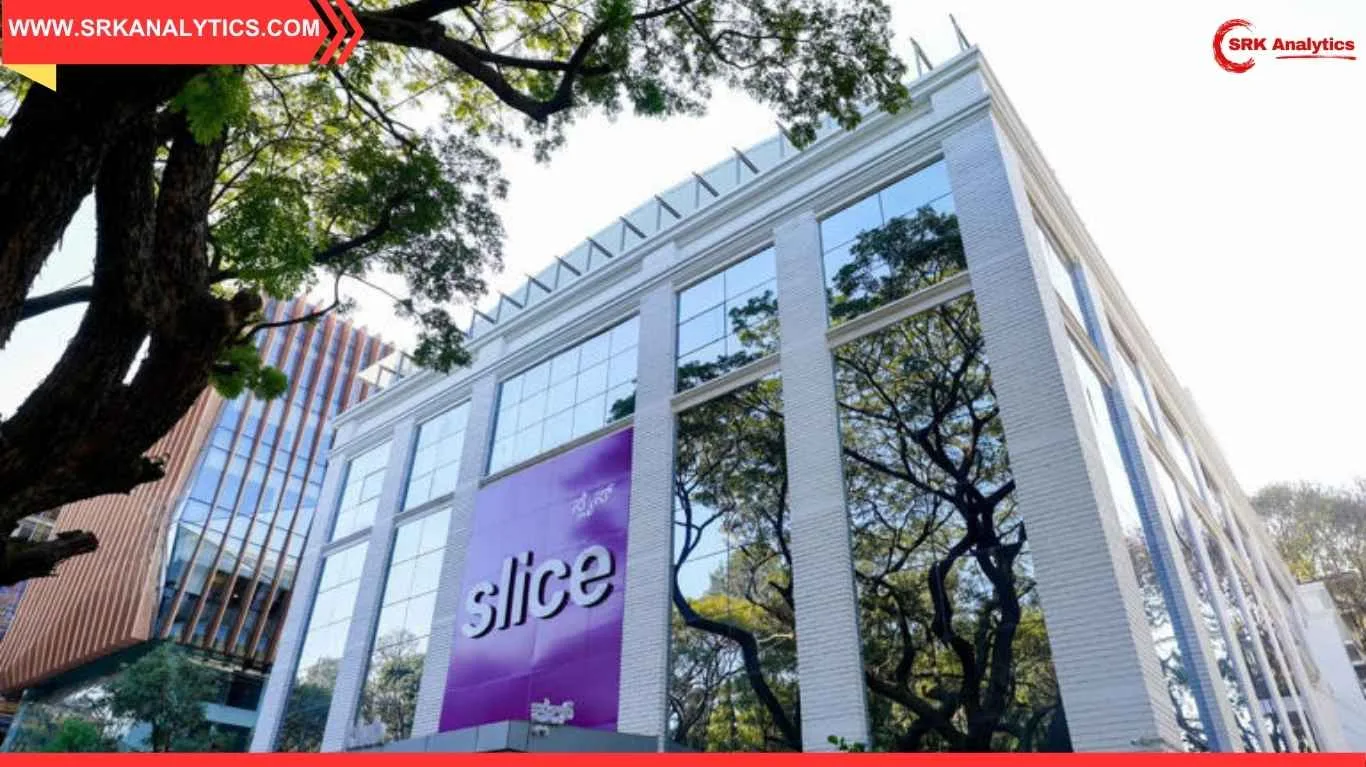
Fintech-led banking entity Slice Small Finance Bank has reported a net profit of ₹7 crore for the first half of FY26, marking a significant turnaround from its ₹217 crore loss in FY25. The Bengaluru-based firm, formed through the merger of digital lending startup Slice (Garagepreneurs Internet Pvt Ltd) and North East Small Finance Bank, has shown rapid financial improvement, driven by better net interest margins, falling cost of funds, and operational efficiencies.
According to provisional figures released by credit rating agency Crisil, Slice SFB’s total income for H1 FY26 stood at ₹632 crore, already surpassing its full-year income of ₹604 crore in FY25. The bank also reported a pre-ESOP profit of ₹43 crore, indicating strong core profitability before accounting for employee stock option expenses.
🧠 Key Highlights from Slice Small Finance Bank’s H1 FY26 Performance
| Attribute | Details |
|---|---|
| Net Profit | ₹7 crore |
| Total Income | ₹632 crore |
| Pre-ESOP Profit | ₹43 crore |
| Previous Year Loss | ₹217 crore (FY25) |
| Merger Entities | Slice (GIPL) + North East Small Finance Bank |
| Reporting Period | April–September 2025 |
The bank’s profitability was better than anticipated, reflecting a successful integration and strategic shift.
📊 Slice Small Finance Bank – Financial Timeline
| Period | Total Income (₹ crore) | Net Profit/Loss (₹ crore) | Key Milestone |
|---|---|---|---|
| FY24 | ₹480 | -₹180 | Pre-merger operations |
| FY25 | ₹604 | -₹217 | Merger completed |
| H1 FY26 | ₹632 | ₹7 | Turned profitable |
| FY26 (Est.) | ₹1,300+ | ₹50+ | Full-year profitability projected |
The bank is expected to close FY26 in the black, without raising additional capital.
🗣️ Reactions from Industry and Analysts
| Stakeholder | Commentary Summary |
|---|---|
| Rajan Bajaj (Executive Director) | “We’re building a pan-India digital-first bank.” |
| Crisil Analysts | “Improved net interest margins and deposit base drove profitability.” |
| Fintech Experts | “Slice’s transition from lending to banking is a case study.” |
| Investors | “Positive sentiment around sustainable fintech models.” |
The merger has been viewed as a bold and effective move in India’s evolving fintech landscape.
📌 Strategic Drivers of Profitability
| Driver | Description |
|---|---|
| Deposit Mobilization | Access to public deposits reduced cost of funds |
| Digital Channels | Low-cost customer acquisition and servicing |
| Lending Efficiency | Better underwriting and risk management |
| Operational Synergy | Cost optimization post-merger |
These factors collectively contributed to the bank’s turnaround in less than a year.
📈 Slice SFB vs Other Small Finance Banks – H1 FY26 Snapshot
| Bank Name | Net Profit (₹ crore) | Total Income (₹ crore) | Growth Rate (%) |
|---|---|---|---|
| Slice SFB | ₹7 | ₹632 | 100%+ |
| AU Small Finance Bank | ₹650 | ₹3,200 | 18% |
| Equitas SFB | ₹280 | ₹1,500 | 12% |
| Ujjivan SFB | ₹310 | ₹1,700 | 15% |
Slice’s growth trajectory is steep, though its scale remains smaller than legacy players.
📊 Operational Metrics and Expansion Plans
| Metric | H1 FY26 Value | FY26 Target | Commentary |
|---|---|---|---|
| Active Customers | 1.2 million | 2.5 million | Focus on Tier 2 and Tier 3 cities |
| Branches | 150 | 200 | Hybrid model with digital-first |
| Loan Book | ₹3,800 crore | ₹5,500 crore | Diversified across retail & MSME |
| CASA Ratio | 32% | 40% | Improving deposit quality |
The bank is not planning any further mergers and is adequately capitalized for FY26.
📌 Conclusion
Slice Small Finance Bank’s ₹7 crore net profit in H1 FY26 marks a pivotal moment in its transformation from a fintech lender to a full-fledged banking institution. With strong income growth, operational discipline, and digital-first strategies, the bank is well-positioned to scale sustainably. Its success story could inspire similar fintech-to-bank transitions in India’s financial ecosystem.
Disclaimer: This article is based on publicly available financial reports, expert commentary, and verified data from credit rating agencies. It is intended for informational and editorial purposes only and does not constitute investment advice.