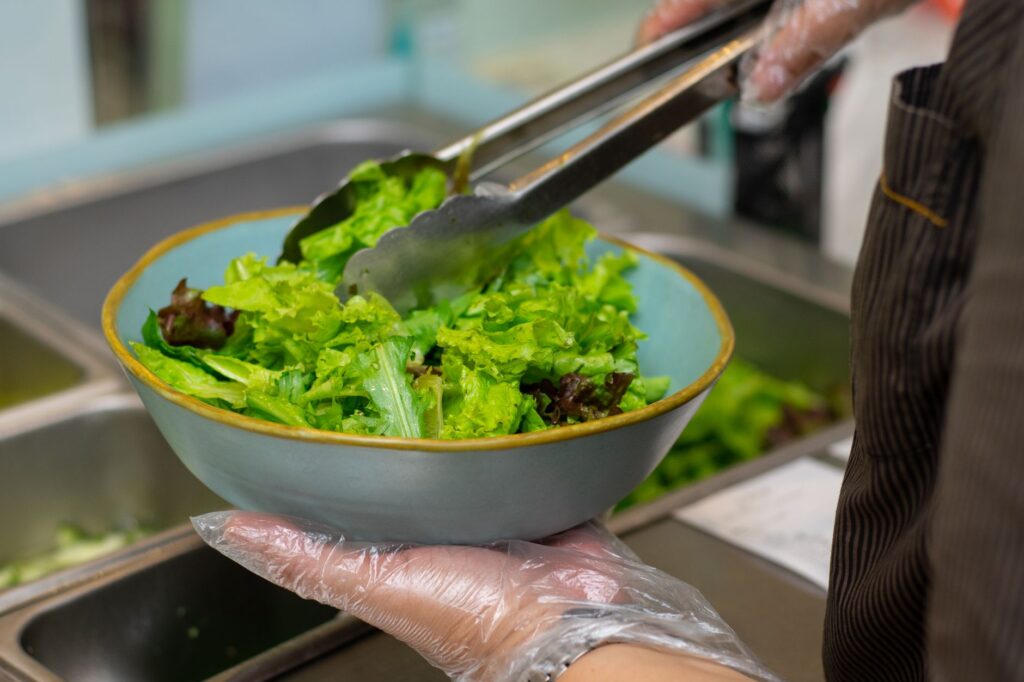

Fast-casual restaurant chains across the United States, including Chopt Creative Salad Co. and Chipotle Mexican Grill, recorded a sharp drop in foot traffic during recent weeks following a multi-state Cyclospora outbreak linked to recalled lettuce distributed by Taylor Farms. The decline in customer visits accelerated as shifting communications from the U.S. Food and Drug Administration (FDA) left consumers uncertain about the safety of prepared fresh greens. Health officials urge caution while suppliers pull affected produce batches from regional distribution networks nationwide.
Background of the Outbreak and Recall
The current health concern stems from Cyclospora cayetanensis, a microscopic parasite that causes severe intestinal illness, known as cyclosporiasis, when ingested through contaminated food or water. Symptoms typically include prolonged watery diarrhea, loss of appetite, abdominal cramping, nausea, and severe fatigue, often persisting for weeks if left untreated.
Agricultural supplier Taylor Farms initiated a voluntary recall of select fresh-cut lettuce products after routine testing and state health department samples detected the parasite in bulk shipments sent to commercial food service operators. The recall affected broadline institutional distributors across multiple states, triggering immediate menu adjustments and supply disruptions at major fast-casual dining brands reliant on daily shipments of raw leafy greens.
Foot Traffic Declines Across Major Chains
Location-based tracking data from retail analytics platforms revealed a 14 percent drop in weekly customer visits to salad-centric establishments compared to the same period last year. Dedicated salad chains faced the steepest declines, but broader fast-casual operators that feature fresh produce, such as Chipotle, also experienced noticeable foot traffic deceleration, particularly in metropolitan markets.
Changing messaging from federal public health regulators compounded consumer anxiety and hesitation. Initial public health advisories from the FDA focused on specific farm lots and limited processing dates, but subsequent updates expanded the advisory zone without immediately identifying the precise agricultural source of the contamination. The evolving guidance caused confusion among consumers about whether restaurant salads were safe to consume.
Restaurateurs responded by temporarily pulling lettuce from assembly lines or switching to alternative suppliers, but foot traffic remained depressed. Consumer behavior during produce safety scares typically exhibits a lag, as diner confidence takes longer to rebuild than it takes to issue a safety clearance.
Regulatory Messaging and Financial Strain
Industry analysts emphasize that public health messaging during produce outbreaks heavily dictates consumer purchasing behavior. When guidance evolves rapidly or appears fragmented, consumers often choose to avoid an entire product category rather than deciphering complex batch codes, distribution regions, or vendor notices.