




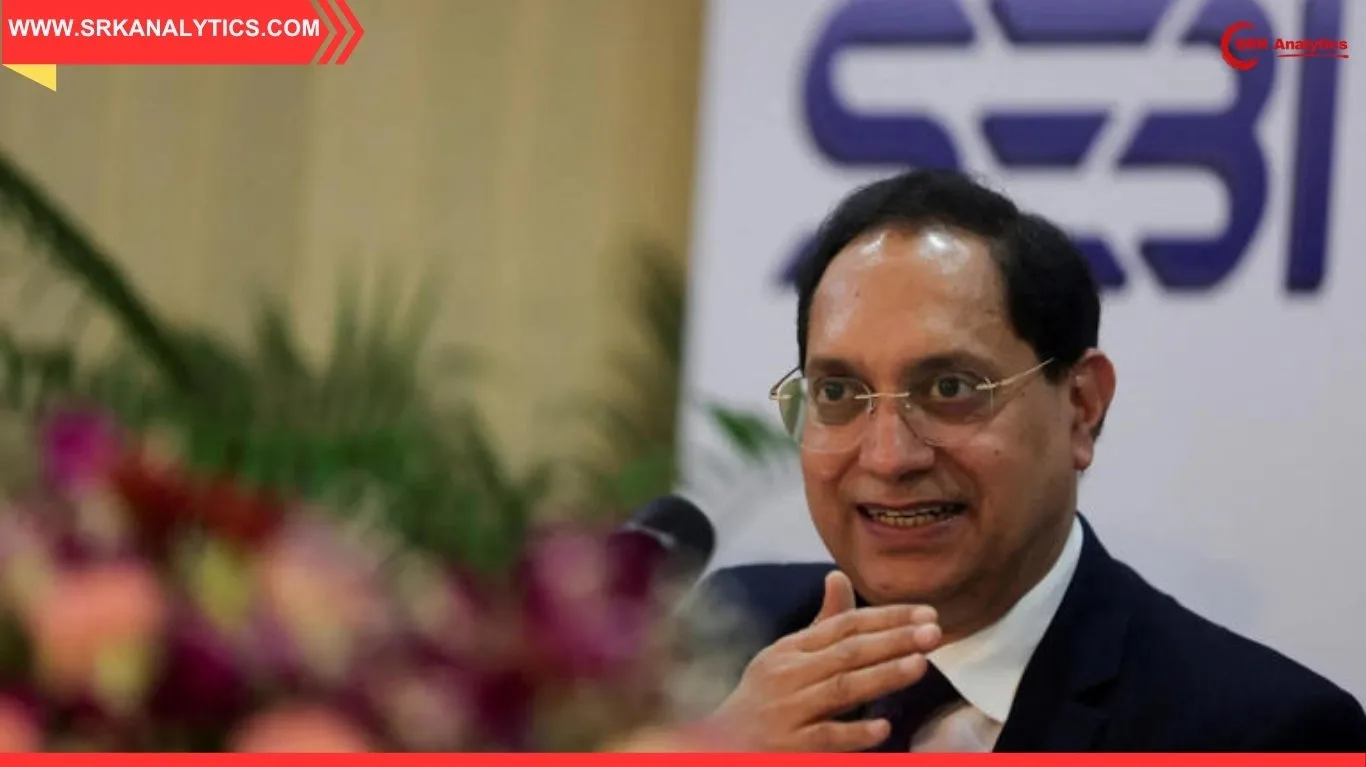
In a decisive statement that reaffirms the principles of free-market dynamics, Securities and Exchange Board of India (SEBI) Chairman Tuhin Kanta Pandey has clarified that the regulator will not intervene in setting valuations for Initial Public Offerings (IPOs). Speaking at a recent industry summit in Mumbai, Pandey emphasized that capital markets—not regulatory bodies—are responsible for determining share prices, and SEBI’s role is limited to ensuring transparency and full disclosures.
The remarks come amid growing concerns over inflated valuations of new-age companies entering the public domain, including high-profile IPOs like Lenskart Solutions. Pandey’s comments aim to reassure investors and issuers that SEBI will maintain a hands-off approach regarding pricing, while continuing to uphold robust governance standards.
🧠 Key Highlights from SEBI Chairman’s Statement
| Attribute | Details |
|---|---|
| Speaker | Tuhin Kanta Pandey, SEBI Chairman |
| Location | Mumbai |
| Date | November 6, 2025 |
| Core Message | SEBI does not set IPO valuations |
| Regulatory Role | Ensuring disclosures, transparency, and investor protection |
| Market Mechanism | Share prices determined by demand-supply dynamics |
Pandey also urged companies to make authentic ESG commitments and institutionalize ethics through board oversight.
📊 IPO Valuation Dynamics – Market vs Regulatory Oversight
| Aspect | Determined By Market | Determined By SEBI |
|---|---|---|
| Share Price | ✅ | ❌ |
| Investor Demand | ✅ | ❌ |
| Disclosure Requirements | ❌ | ✅ |
| Governance Standards | ❌ | ✅ |
| ESG Compliance | ❌ | ✅ |
SEBI’s framework ensures that investors receive accurate and comprehensive information, but pricing remains a market-driven process.
📈 Timeline of IPO Valuation Debates in India
| Date | Event Description | Outcome |
|---|---|---|
| Oct 2025 | Lenskart’s ₹7,200 crore IPO triggers valuation debate | Analysts question pricing metrics |
| Nov 2025 | SEBI Chairman addresses valuation concerns | Clarifies regulator’s non-intervention stance |
| Q1 2026 | Expected IPOs from fintech and retail giants | Market to test valuation resilience |
The IPO pipeline remains strong, with over ₹2 lakh crore raised from primary markets in 2025.
🗣️ Reactions from Market Stakeholders
| Stakeholder | Commentary Summary |
|---|---|
| Investment Bankers | “Market-based pricing ensures fairness and liquidity.” |
| Retail Investors | “Transparency is key, but pricing should reflect fundamentals.” |
| Analysts | “SEBI’s stance reinforces investor autonomy.” |
| Corporate Issuers | “Freedom to price IPOs is essential for capital raising.” |
The statement has been welcomed by most market participants, who view it as a reaffirmation of India’s liberal capital market ethos.
📌 Strategic Implications for India’s Capital Markets
| Area | Impact |
|---|---|
| IPO Ecosystem | Encourages innovation and investor-driven pricing |
| Regulatory Clarity | Strengthens trust in SEBI’s governance model |
| Investor Education | Emphasizes need for due diligence |
| Global Perception | Aligns India with mature market practices |
Pandey’s remarks also align with SEBI’s broader reform agenda focused on resilience, ethics, and sustainable growth.
📌 Conclusion
SEBI Chairman Tuhin Kanta Pandey’s assertion that share prices and IPO valuations are determined by market forces—not regulatory intervention—marks a pivotal moment in India’s capital market discourse. As the country continues to witness a surge in public listings, this clarity reinforces investor confidence and issuer autonomy. With SEBI committed to transparency and ethical governance, India’s financial markets are well-positioned to balance innovation with integrity.
Disclaimer: This article is based on publicly available statements, financial reports, and verified media coverage. It is intended for informational and editorial purposes only and does not constitute investment advice or regulatory interpretation.