



India is poised to become a global manufacturing powerhouse, with projections indicating an annual contribution of $500 billion to the global economy from its manufacturing sector by 2030, according to Union Minister Pralhad Joshi. Speaking at the inauguration of the 7th India Manufacturing Show (IMS) 2025 in Bengaluru, Joshi emphasized that the current decade marks a transformative phase in India’s industrial journey, driven by policy reforms, technological innovation, and the rise of micro, small, and medium enterprises (MSMEs).
Joshi, who holds the portfolios of Consumer Affairs, Food and Public Distribution, and New and Renewable Energy, highlighted that MSMEs account for 33% of employment and 45% of India’s exports, underscoring their pivotal role in the country’s economic engine. He also noted that the Union Government has reserved over 15,350 defence items for domestic manufacturers, a move aimed at boosting indigenous production and reducing import dependency.
🧠 Key Highlights from IMS 2025 and Joshi’s Address
| Attribute | Details |
|---|---|
| Event | 7th India Manufacturing Show (IMS) 2025 |
| Location | Bengaluru, Karnataka |
| Date | November 6, 2025 |
| Chief Guest | Union Minister Pralhad Joshi |
| Projected Contribution | $500 billion annually to global economy by 2030 |
| MSME Role | 33% employment, 45% exports |
| Defence Procurement Reform | 15,350 items reserved for domestic manufacturers |
Joshi’s remarks reflect India’s strategic push to elevate manufacturing as a cornerstone of its economic growth.
📊 Sectoral Breakdown of India’s Manufacturing Growth Potential
| Sector | Current Contribution (2025) | Projected Contribution (2030) | Key Drivers |
|---|---|---|---|
| Automotive | $75 billion | $130 billion | EV adoption, exports |
| Electronics | $40 billion | $100 billion | PLI schemes, semiconductor push |
| Pharmaceuticals | $55 billion | $90 billion | API independence, global demand |
| Defence & Aerospace | $20 billion | $60 billion | Indigenous procurement, exports |
| Renewable Energy | $30 billion | $80 billion | Solar, wind, green hydrogen |
The growth trajectory is supported by flagship initiatives like Make in India, PLI schemes, and Gati Shakti.
📈 Timeline of India’s Manufacturing Evolution
| Year | Milestone/Event Description | Impact |
|---|---|---|
| 2014 | Launch of Make in India | Policy framework for industrial growth |
| 2020 | COVID-19 pandemic disrupts global supply chains | India emerges as alternative hub |
| 2021 | Introduction of PLI schemes across 14 sectors | Boosts investment and production |
| 2023 | Gati Shakti National Master Plan launched | Infrastructure integration for logistics |
| 2025 | IMS 2025 showcases defence and MSME capabilities | Signals readiness for global scale |
India’s manufacturing roadmap is now aligned with global standards and sustainability goals.
🗣️ Reactions from Industry and Policy Experts
| Stakeholder | Commentary Summary |
|---|---|
| CII and FICCI Leaders | “India’s manufacturing potential is unmatched with the right policy support.” |
| MSME Entrepreneurs | “Defence item reservation opens new growth avenues.” |
| Economists | “$500 billion annual contribution is achievable with infrastructure and skill alignment.” |
| Global Investors | “India is now a serious contender in global supply chains.” |
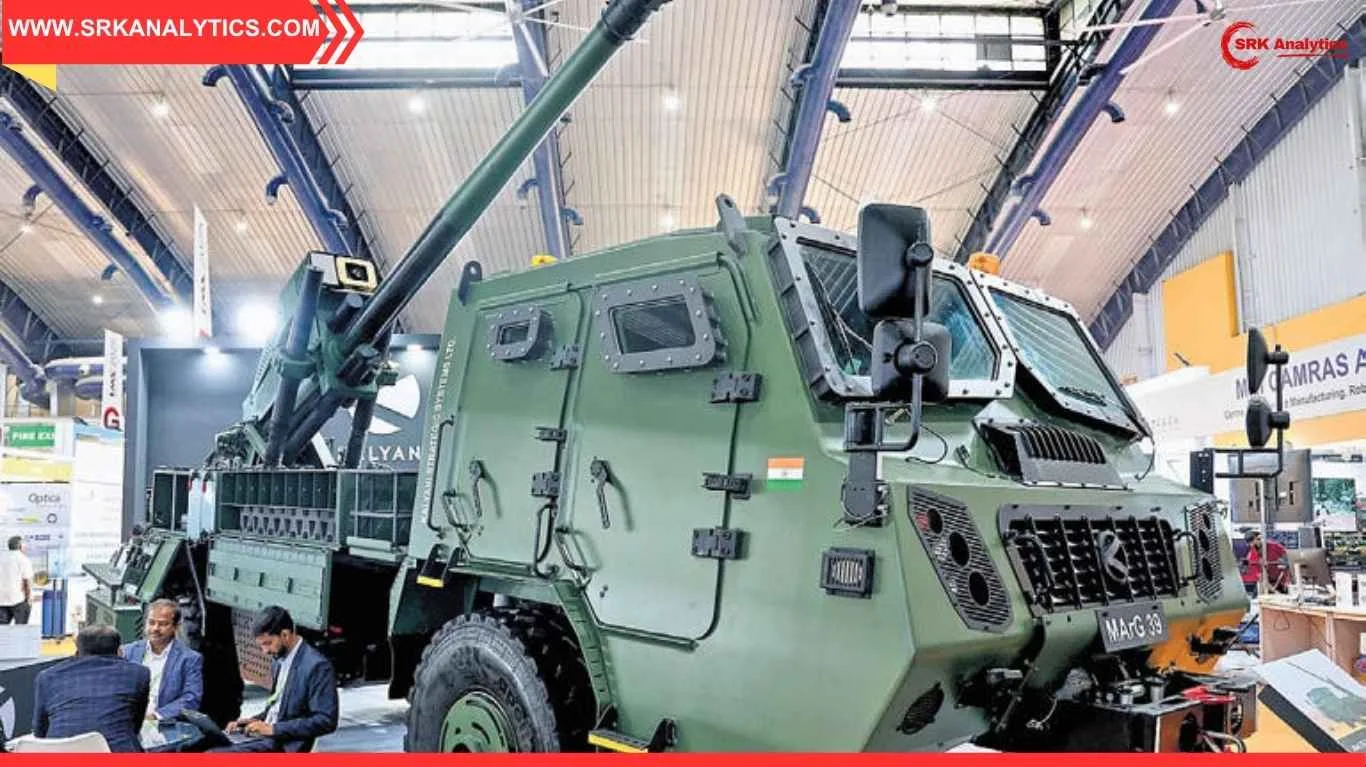
The IMS 2025 event also featured advanced defence systems like the MARG 39 howitzer, showcasing indigenous innovation.
📌 Strategic Implications for India’s Economic Future
| Area | Long-Term Impact |
|---|---|
| Employment Generation | Millions of new jobs across sectors |
| Export Competitiveness | Enhanced global trade footprint |
| Technological Innovation | Rise of Industry 4.0 and smart manufacturing |
| Sustainability Goals | Green energy and circular economy integration |
India’s manufacturing surge is expected to complement its ambition of becoming a $10 trillion economy by 2035.
📌 Conclusion
Union Minister Pralhad Joshi’s projection of India contributing $500 billion annually to the global economy from manufacturing by 2030 is not just aspirational—it’s a reflection of the country’s evolving industrial capabilities. With MSMEs at the heart of this transformation, and defence, renewable energy, and electronics leading the charge, India is well on its way to becoming a global manufacturing hub. The IMS 2025 event in Bengaluru has reaffirmed this vision, showcasing the synergy between policy, innovation, and enterprise.
Disclaimer: This article is based on publicly available government statements, industry reports, and verified media coverage. It is intended for informational and editorial purposes only and does not constitute economic forecasting or investment advice.