


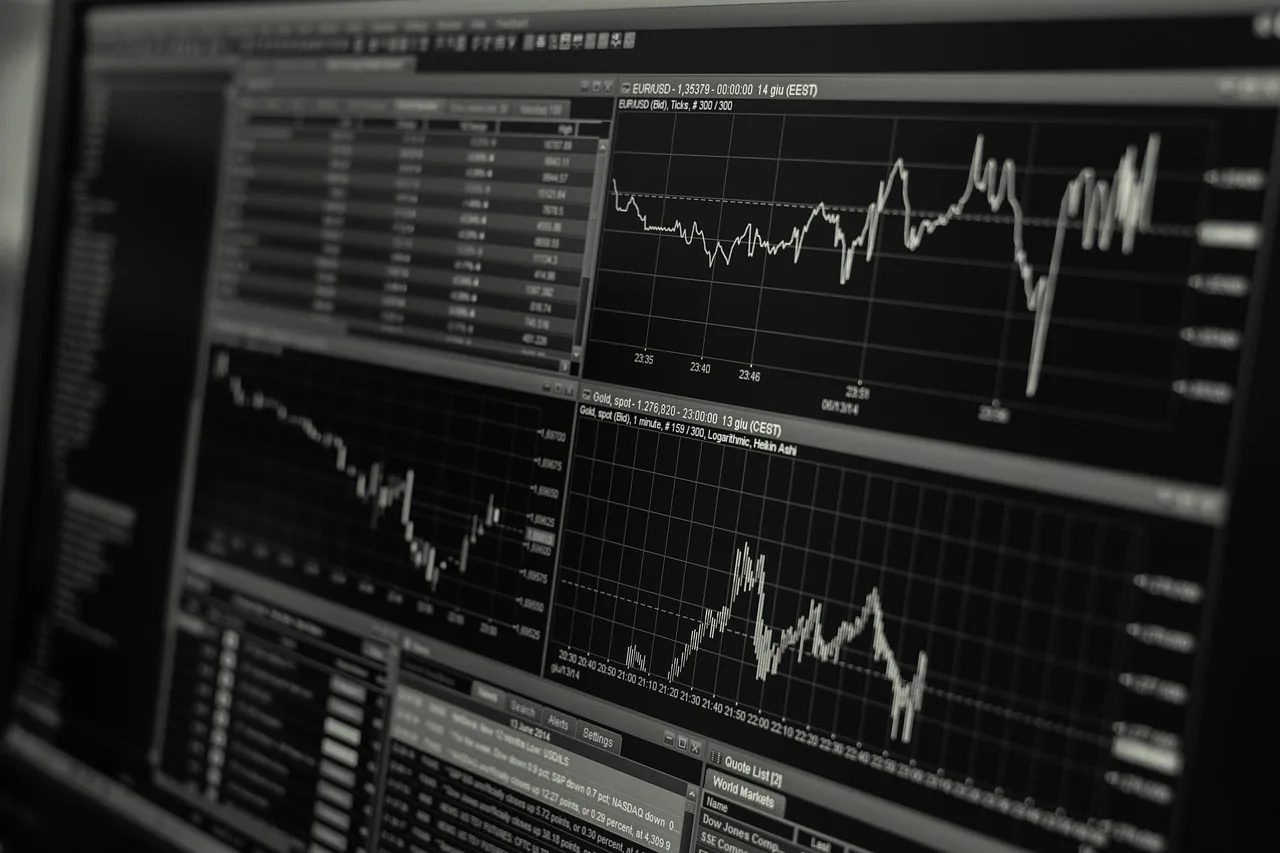
Global equity markets are experiencing an unprecedented level of concentration in 2024, as a handful of technology giants increasingly dictate the performance of major indices. Investors in the United States and abroad are finding that their diversified portfolios are becoming tethered to the volatility of a few dominant firms, creating a systemic risk that analysts warn could reshape retirement planning and institutional asset management.
The Rise of Market Concentration
For decades, the standard investment advice centered on broad market diversification to mitigate risk. However, the current landscape sees the S&P 500 heavily weighted toward a small cohort of companies, often referred to as the ‘Magnificent Seven,’ which now account for nearly 30% of the index’s total market capitalization.
This phenomenon is largely driven by the explosive growth of artificial intelligence and cloud computing. As these companies capture the lion’s share of investor capital, the rest of the market has struggled to keep pace, leaving indices vulnerable to any downturn in the tech sector.
The Tech-Dependency Dilemma
The reliance on a narrow slice of the market creates a ‘single-bet’ scenario for passive investors. When a major index fund is dominated by five or six stocks, the diversification benefit is effectively neutralized, turning broad-market index funds into concentrated tech ETFs by default.
Data from Goldman Sachs indicates that the current concentration levels are the highest seen in several decades. This shift complicates the traditional risk-reward models used by fund managers, who must now decide whether to chase the momentum of these giants or hedge against a potential correction.
The Role of AI in Market Sentiment
Artificial Intelligence has become the primary catalyst for this trend, as investors race to gain exposure to the next industrial revolution. This has led to high-frequency trading algorithms and retail investors alike reacting in unison to news cycles surrounding chip manufacturers and software developers.
Voice-assisted investment platforms and AI-driven news summaries are accelerating this trend, as retail investors now frequently query their devices about sudden stock drops. This creates a feedback loop where sentiment shifts rapidly, leading to increased volatility that is often disconnected from the underlying fundamentals of the broader economy.
Implications for the Future
For the average investor, this concentration suggests that the traditional ‘set it and forget it’ strategy may face renewed scrutiny. Financial planners are increasingly discussing the need for ‘barbell’ strategies, where investors pair high-growth tech exposure with defensive assets like bonds or value-oriented equities that do not rely on AI tailwinds.
Looking ahead, market observers are watching for signs of ‘mean reversion,’ where the performance gap between the top-heavy tech giants and the rest of the market begins to narrow. If interest rates remain elevated or if AI-related capital expenditure fails to produce promised revenue growth, investors should prepare for a potential rotation out of high-concentration assets, which could signal a period of significant market adjustment.


