



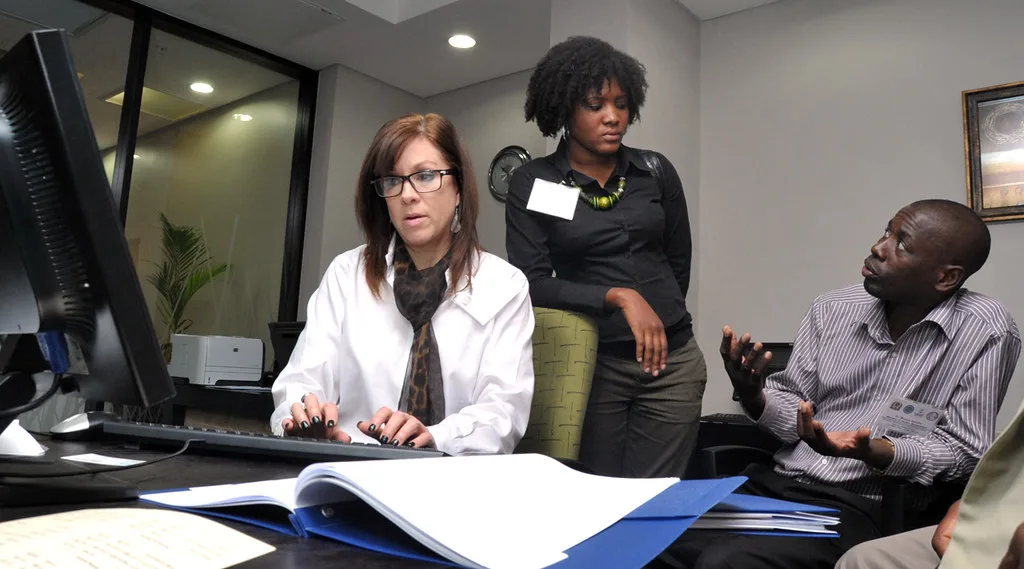
India has convened a three-day meeting of the BRICS Agricultural Working Group in Indore, beginning June 9, to address critical challenges surrounding global food security and technological cooperation among member nations. As the current chair of the bloc, India is leading the assembly, which includes representatives from Brazil, Russia, China, and South Africa, as they work to formalize policy frameworks ahead of upcoming ministerial-level engagements.
Contextualizing BRICS Agricultural Cooperation
Established in 2011, the BRICS Agricultural Working Group serves as a vital platform for coordinating policy, sharing research, and promoting joint projects in farming and rural development. The group’s mandate centers on enhancing agricultural productivity, mitigating post-harvest losses, and fostering climate-resilient farming practices across member states.
The significance of this collaboration is underscored by the sheer scale of the bloc; collectively, BRICS nations account for more than 40% of the global population. Consequently, the group’s ability to stabilize food supplies significantly influences global market stability and commodity pricing.
Addressing Technology and Financial Hurdles
During the Indore sessions, Joint Secretary of the Department of Agriculture and Farmers Welfare, Ajeet Sahu, highlighted that discussions are centered on two primary objectives. These include navigating the financial complexities impacting food security and deepening collaboration on agricultural technologies.
Delegates are exploring ways to leverage precision farming and digital tools to optimize crop yields. By sharing innovations in water-efficient irrigation and advanced seed technology, the member nations aim to reduce dependence on resource-heavy inputs while simultaneously curbing supply chain waste.
Strategic Implications for Global Markets
The outcomes of the Indore meeting will establish the agenda for the ministerial-level talks scheduled for June 12-13. Ministers are expected to finalize a joint declaration that will set the strategic direction for BRICS agricultural policy throughout the year.
For the agricultural industry, this alignment suggests a move toward more cohesive trade mechanisms and unified positions in multilateral forums such as the Food and Agriculture Organization (FAO) and the World Trade Organization (WTO). By pooling resources, these nations aim to insulate their agricultural sectors against climate-related volatility and market fluctuations.
Future Outlook
As the sessions conclude, observers should watch for concrete agreements on technology transfer protocols and trade facilitation measures. The success of this working group will likely determine how effectively these five nations can stabilize regional food systems amidst an increasingly uncertain global climate and shifting trade landscapes.


