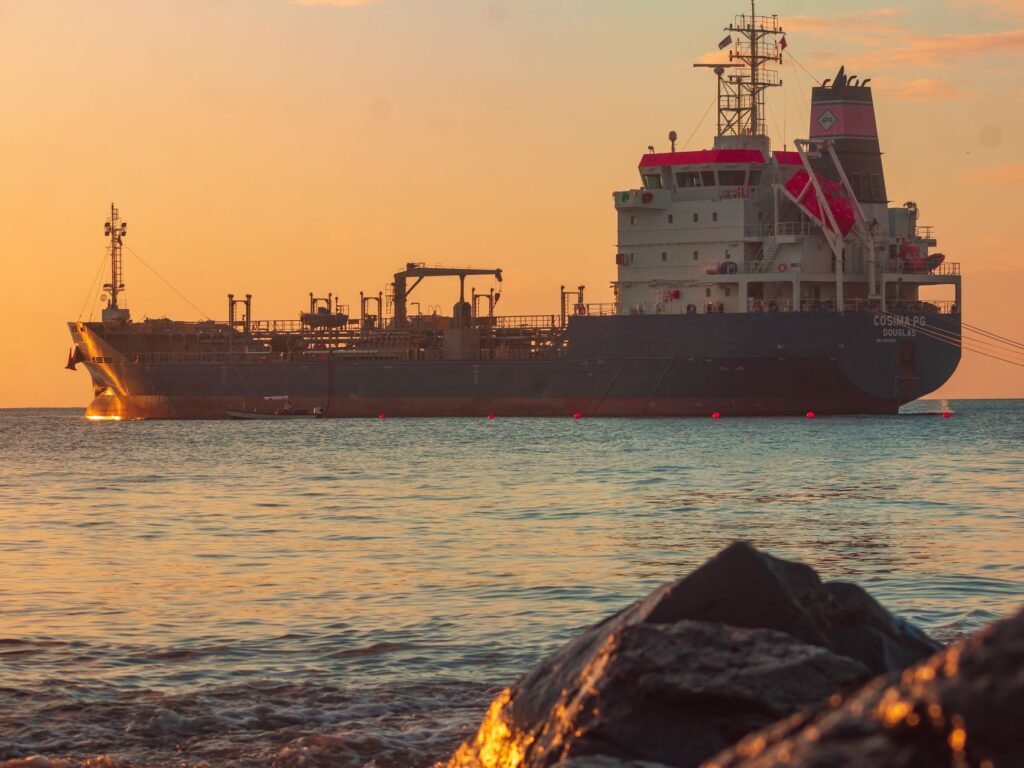

Global crude oil prices breached the critical $100-a-barrel threshold today for the first time since May, driven by escalating fears among energy traders as geopolitical conflict broadens across crucial Middle Eastern trade corridors from the Persian Gulf to the Red Sea.
Geopolitical Tensions Re-Ignite Energy Markets
The sudden price surge marks a sharp reversal from months of relative stability, during which Brent crude hovered in the mid-$70 to $80 range due to sluggish global economic demand concerns. However, the rapidly expanding theater of conflict in the Middle East has re-introduced a massive geopolitical risk premium into energy trading desks worldwide.
For much of the year, market participants discounted the likelihood of severe regional supply interruptions. That perception shifted dramatically as naval skirmishes, maritime attacks, and military exchanges expanded from localized flashpoints into systemic threats along vital international shipping lanes.
Central to trader anxieties are two critical maritime chokepoints: the Strait of Hormuz, through which roughly 20 percent of world petroleum liquids pass daily, and the Bab el-Mandeb Strait, which controls access to the Suez Canal. Disruptions across this interconnected network threaten to bottleneck millions of barrels of oil per day.
Rerouted Tankers and Skyrocketing Logistics Costs
Major international shipping conglomerates and national energy corporations have begun actively altering transit routes to avoid high-risk zones, opting instead for the lengthy detour around Africa’s Cape of Good Hope. This detour adds approximately 10 to 14 days to standard voyages connecting Persian Gulf suppliers with European and North American refiners.
The extended transit times effectively lock up millions of barrels of crude at sea, contracting near-term global floating supply and severely straining maritime vessel availability. Freight rates for Very Large Crude Carriers (VLCCs) have more than doubled in recent weeks, adding millions of dollars in transportation costs per individual voyage.
Insurance underwriters have responded to the heightened threat environment by dramatically increasing war-risk premiums for vessels navigating both the Red Sea and the Persian Gulf. In several high-profile instances, maritime insurers have revoked coverage entirely for specific transit zones, forcing commercial fleet operators to halt sailings altogether until security conditions improve.
Market Analysis and Expert Data Points
Data from the International Energy Agency (IEA) indicates that global commercial oil inventories were already running below five-year historical averages prior to this price spike, leaving commercial refiners with minimal operational buffers to absorb sudden physical supply shocks.
“We are witnessing a classic structural shift where paper markets react instantly to physical supply vulnerabilities,” noted Dr. Elena Rostova, chief commodities analyst at Global Energy Insights. “When crude crosses $100 under these operational conditions, it reflects not just current physical shortages, but a pre-emptive hedge against catastrophic logistics failures.”
Furthermore, ministers from the Organization of the Petroleum Exporting Countries and its allies (OPEC+) have signaled no immediate intention to adjust existing voluntary production cuts. This policy leaves global output tightly restrained despite rising benchmark prices. Wall Street analysts at major investment firms now project that prolonged conflict could push oil prices toward $110 or higher if key export infrastructure sustains direct damage.
Widespread Economic and Inflationary Fallout
The return of triple-digit oil presents a serious macroeconomic headache for central banks worldwide, which have been attempting to engineer soft landings after years of elevated consumer price index figures. Surging energy prices filter quickly into retail gasoline, jet fuel, diesel, and utility costs, threatening to reignite stubborn headline inflation metrics.
A sustained crude benchmark above $100 per barrel imperils recent disinflation progress, potentially forcing the U.S. Federal Reserve, European Central Bank, and Bank of England to delay anticipated interest rate cuts or even consider further monetary policy tightening.
Emerging market economies that rely heavily on imported energy face acute pressures, including widening trade deficits and severe currency depreciation. Lower-income nations are particularly exposed to rising transport and food production costs tied directly to fuel price spikes.
Key Variables to Watch Ahead
Energy traders and international policy makers are closely monitoring whether coalition-led maritime security operations can effectively restore safe transit routes through the Red Sea and Persian Gulf. Any verifiable restoration of commercial shipping stability could quickly deflate the geopolitical risk premium currently embedded in oil futures.
Concurrently, market participants will monitor official inventory reports in major consuming nations, particularly the United States and China, over the coming weeks to determine whether elevated energy prices trigger immediate demand destruction. Government decisions regarding potential coordinated releases from Strategic Petroleum Reserves (SPR) represent another major variable that could temporarily counter upward price momentum if physical supply disruptions escalate.