









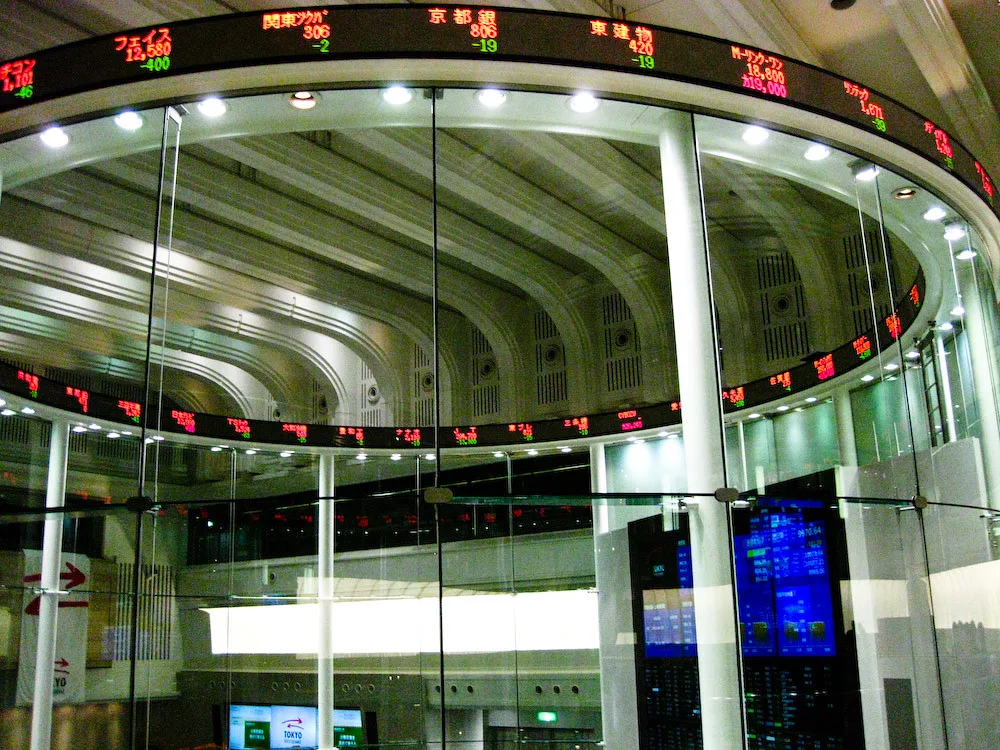
Wall Street and the Toronto Stock Exchange (TSX) posted gains on Monday, recovering from a sharp sell-off on Friday that was triggered by renewed concerns over interest rate trajectories. Investors pivoted back toward major technology players, particularly those central to the artificial intelligence boom, as market participants reassessed the economic outlook following a volatile close to the previous week.
Context of Recent Market Volatility
The market correction on Friday was largely attributed to investor anxiety regarding persistent inflation and the potential for the Federal Reserve to maintain higher interest rates for a longer duration. While the economy has shown resilience, the prospect of delayed rate cuts has historically pressured growth stocks, which are particularly sensitive to borrowing costs.
Artificial intelligence-related stocks have served as the primary engine of market growth throughout the first half of the year. When these high-valuation stocks falter, the broader indices—including the S&P 500 and the Nasdaq Composite—often experience outsized swings.
The Rebound Dynamics
Monday’s recovery reflects a tactical shift among institutional investors who viewed the Friday dip as a buying opportunity rather than a signal for a long-term downturn. Tech heavyweights that led the recent rally regained momentum, bolstered by continued optimism regarding corporate earnings and the long-term scalability of AI infrastructure.
Analysts note that market breadth remains a critical factor in current trading patterns. While the concentration of gains in a handful of AI-linked firms has raised some concerns about market stability, the quick rebound suggests that underlying sentiment remains bullish.
Expert Perspectives and Data Analysis
Market analysts are closely monitoring the VIX index, or the CBOE Volatility Index, which spiked on Friday before moderating on Monday. The retreat in volatility suggests that the immediate panic surrounding interest rate fears has been largely contained.
According to data from the Bureau of Labor Statistics, recent jobs reports have outperformed expectations, providing the Federal Reserve with more flexibility to hold rates steady. However, this same strength in the labor market complicates the timeline for monetary easing, creating a tug-of-war between strong economic data and the desire for cheaper capital.
Future Implications for Investors
The current market environment underscores the importance of portfolio diversification as interest rate uncertainty persists. Investors are now looking toward upcoming inflation data and central bank commentary to determine the next major trend in equity valuations.
Looking ahead, market participants should monitor the correlation between bond yields and tech sector performance. Should yields continue to hover at elevated levels, the market may experience continued bouts of rotation, where capital shifts from high-growth tech stocks into defensive sectors like utilities and consumer staples. Maintaining a focus on fundamental earnings growth remains the most reliable strategy for navigating this period of heightened sensitivity to macroeconomic policy.