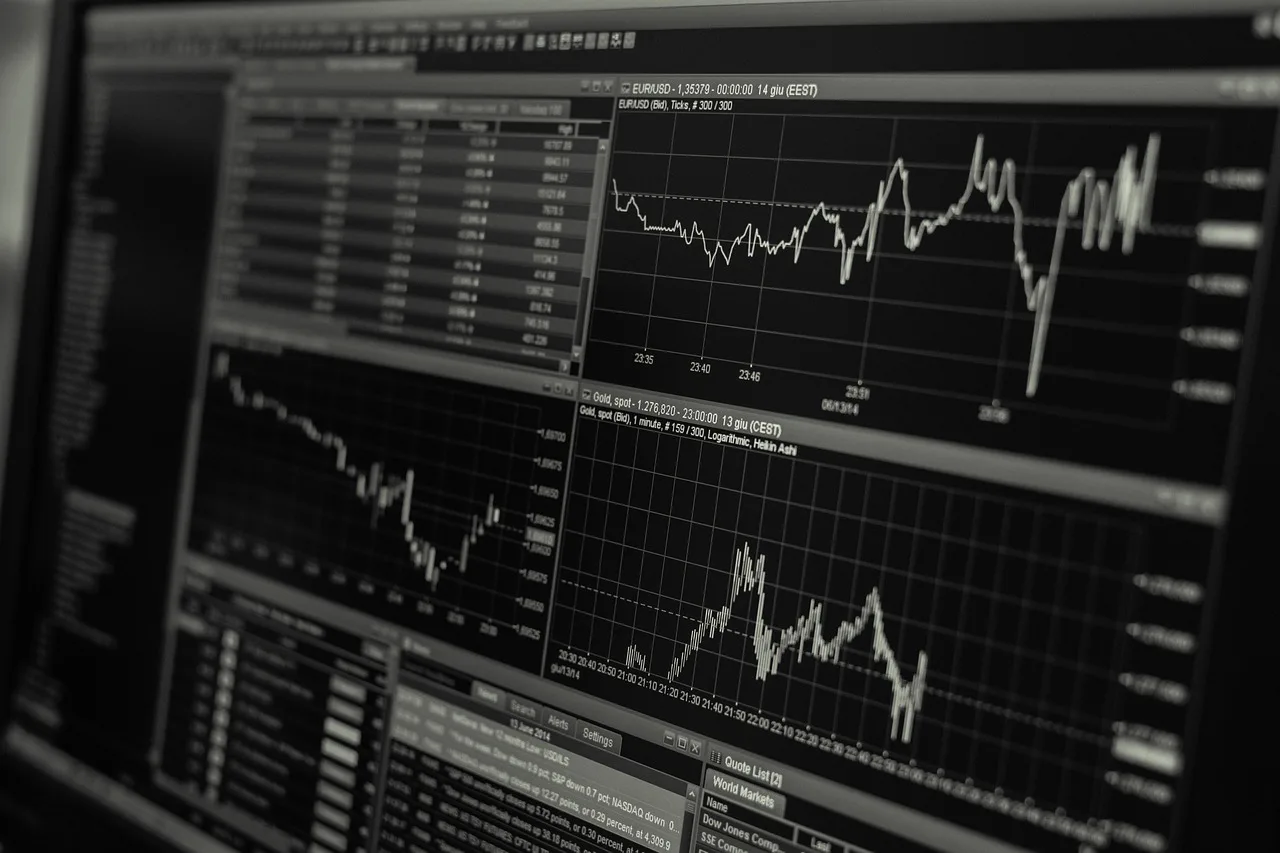










South Korean equity markets experienced a sharp downturn this week as investors aggressively offloaded shares in major technology firms, signaling a cooling period for the artificial intelligence sector that has long fueled regional growth. The KOSPI index faced significant selling pressure, with chip manufacturing giants leading the slide, as institutional and retail traders recalibrated their portfolios amid growing skepticism regarding the immediate profitability of AI infrastructure investments.
A Shift in Market Sentiment
For months, the South Korean stock market has benefited from an insatiable global demand for high-bandwidth memory (HBM) chips, which are essential for AI-powered processing. This rally pushed valuation multiples to historical highs, creating a crowded trade environment where any sign of slowing demand triggers rapid exits.
The current rotation reflects a broader global trend where investors are shifting capital away from high-growth tech stocks and toward more defensive, value-oriented sectors. Analysts suggest that the market is beginning to prioritize near-term earnings stability over the long-term potential of the AI revolution.
The Anatomy of the Sell-Off
The decline was particularly pronounced among the nation’s largest semiconductor producers, which have served as the primary bellwethers for the country’s economic health. Market data indicates that foreign investors, who had been net buyers throughout the first half of the year, have pivoted to net sellers in the current session.
Experts point to a divergence between AI-related capital expenditure and actual revenue realization. While companies continue to invest billions into data centers and hardware, the timeline for widespread commercial application that justifies these expenditures remains uncertain for many institutional analysts.
Expert Perspectives on Volatility
Financial analysts at major investment firms have noted that the volatility is exacerbated by algorithmic trading, which tends to amplify downward momentum once key support levels are breached. According to recent market reports, the speed of the rotation suggests that many participants are locking in gains accumulated during the earlier stages of the AI bull market.
“We are seeing a classic rebalancing act,” noted one market strategist. “Investors are not necessarily abandoning the technology sector, but they are demanding more rigorous financial discipline and clearer paths to monetization than they did six months ago.”
Implications for the Regional Economy
The downturn carries significant weight for South Korea, where semiconductor exports represent a substantial portion of the national GDP. A prolonged slump in tech valuations could weigh on domestic corporate investment and dampen overall economic sentiment.
For the average investor, this period of volatility serves as a reminder of the inherent risks in sector-concentrated portfolios. The current market action suggests that the era of blind optimism regarding AI hardware is giving way to a more discerning, valuation-sensitive phase.
Market participants should now monitor upcoming quarterly earnings reports for signs of margin compression or changes in capital expenditure guidance. Future stability will likely depend on whether these tech firms can demonstrate sustained demand growth in non-AI sectors, potentially buffering the impact of the current correction.