







Production Policy Shift
OPEC Plus members announced a collective decision this week to increase oil production by 188,000 barrels per day, a strategic maneuver aimed at signaling market stability despite an ongoing ceasefire stalemate in Iran. The decision, finalized during a virtual ministerial meeting, comes as global energy markets brace for the long-term economic consequences of the effectively blocked Strait of Hormuz.
Contextualizing the Oil Bottleneck
The Strait of Hormuz serves as the world’s most critical maritime oil chokepoint, with approximately 21 million barrels of petroleum passing through daily prior to recent geopolitical escalations. The effective shutdown of this passage has stranded significant portions of Middle Eastern crude, leading to extreme price volatility and supply chain disruptions.
For months, the international community has watched as diplomatic efforts for a lasting ceasefire in the region have faltered. This latest production hike is widely viewed by analysts as a symbolic gesture designed to project a business-as-usual posture rather than a fundamental correction to the global supply deficit.
Market Analysis and Expert Perspectives
Industry analysts maintain a skeptical outlook regarding the actual impact of this output increase. Because the primary issue is a logistical blockade rather than a lack of production capacity, adding more barrels to the system does little to alleviate the physical scarcity felt by downstream refineries.
“The market is currently suffering from a distribution crisis, not a production crisis,” says energy economist Sarah Jenkins. “Increasing quotas while the world’s most vital maritime artery remains inaccessible is akin to opening a tap while the pipes are severed downstream.”
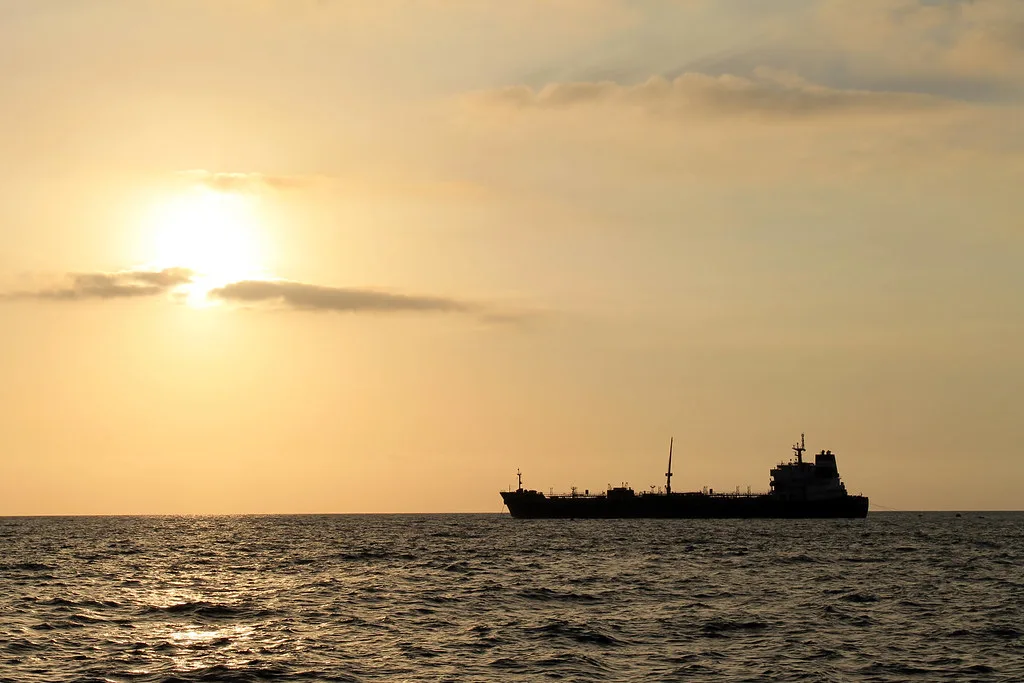
Data from the International Energy Agency (IEA) corroborates this, indicating that global inventories remain tight as tankers are forced to divert around the Cape of Good Hope. This route adjustment adds thousands of miles to transport journeys, significantly increasing freight costs and carbon emissions.
Broader Implications for Industry
For the average consumer, this development suggests that energy prices will likely remain elevated in the near term. Refineries facing higher logistical costs and the necessity of sourcing crude from more expensive, non-Middle Eastern suppliers are expected to pass these expenses directly to the pump.
The move also underscores a deepening divide within the cartel. While some nations push for higher quotas to capture revenue, others argue that market flooding during a supply chain crisis could lead to a catastrophic collapse in price stability should the Strait suddenly reopen.
Future Outlook
Looking ahead, market participants should closely monitor diplomatic breakthroughs or naval de-escalation efforts in the Persian Gulf. Any indication of reopened shipping lanes will likely trigger an immediate, sharp correction in oil futures, potentially rendering the current OPEC Plus production hike irrelevant overnight. Analysts will also be watching for the next quarterly meeting, where the group may be forced to choose between maintaining their current output strategy or pivoting to address potential economic contraction caused by high energy costs.