









Market Reaction to Global Yield Movements
Japanese Government Bond (JGB) futures saw a sharp decline during Monday’s morning session in Tokyo, mirroring a broader sell-off in the U.S. Treasury market that occurred late last Friday. The drop reflects the tight correlation between global sovereign debt markets as investors recalibrate their expectations for interest rate policies in both Washington and Tokyo.
The benchmark 10-year JGB futures contract opened lower, extending the downward momentum seen in U.S. markets at the end of the previous week. This movement follows a period of heightened sensitivity among global investors regarding central bank transparency and the direction of long-term inflation targets.
Context of Global Bond Market Volatility
Bond yields move inversely to price, meaning the sell-off in U.S. Treasuries—driven by stronger-than-expected economic data—pushed yields higher, effectively pulling global bond prices down in sympathy. The U.S. Treasury market has been under pressure as traders digest the possibility of a ‘higher for longer’ interest rate environment, a sentiment that frequently ripples into the Japanese market due to the cross-border nature of institutional investment.
For the Bank of Japan (BOJ), this volatility poses a complex challenge. The central bank has spent recent quarters attempting to normalize monetary policy while managing yield curve control, leaving little room for sudden fluctuations in international bond markets to go unnoticed by domestic policymakers.
Analyzing the Downward Pressure
Market analysts point to several factors fueling this morning’s slide in Tokyo. Firstly, the narrowing yield spread between Japanese and American debt instruments has led some institutional investors to rebalance portfolios, favoring higher-yielding assets abroad despite the inherent currency risks.
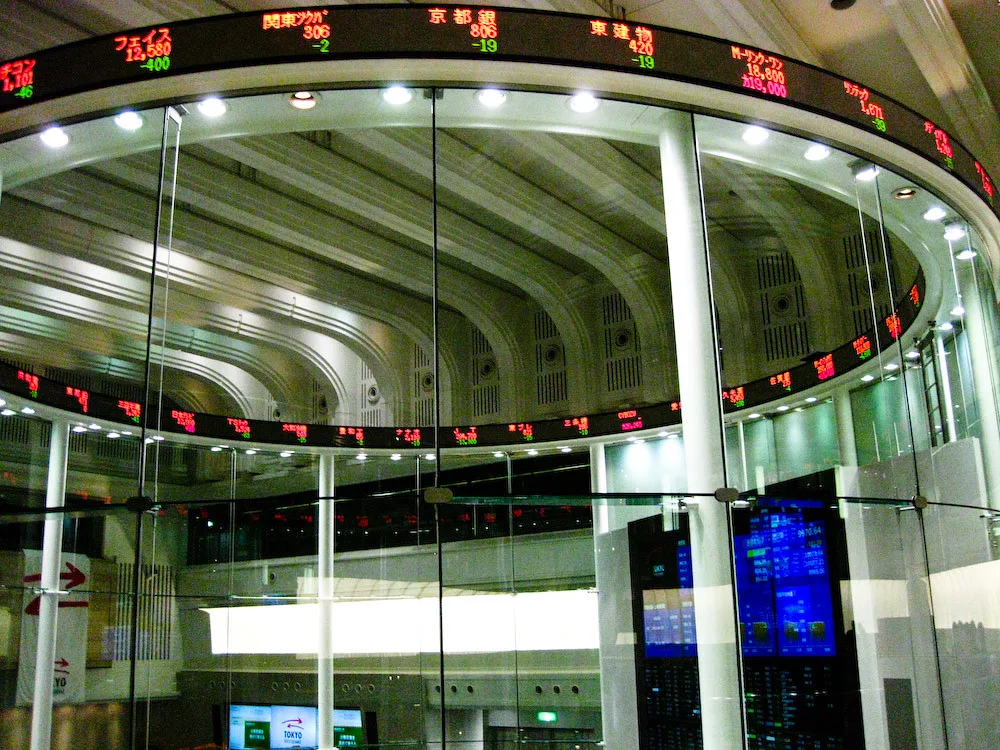
Secondly, data from the Tokyo Stock Exchange indicates that participants are increasingly cautious ahead of upcoming domestic economic indicators. Traders are looking for clear signals from the Bank of Japan regarding the timing of future policy shifts, which has increased the volatility of JGB futures as speculators test the central bank’s resolve.
Expert Perspectives and Data Insights
Financial analysts at major investment firms suggest that the current price action is largely technical rather than fundamental. “The correlation between U.S. Treasuries and JGBs remains at its highest level in months,” noted one senior strategist, emphasizing that Japanese bonds are currently acting as a secondary indicator for global risk sentiment.
According to recent market data, the 10-year JGB yield has experienced its most significant weekly fluctuation of the quarter, signaling that the era of ultra-low volatility in Japan’s debt market may be drawing to a close. This shift is corroborated by increased trading volume in futures contracts, as hedging activity surges among large institutional players.
Industry Implications and Future Outlook
For the broader financial industry, the drop in JGB prices signifies a tightening of liquidity conditions. As borrowing costs rise, corporations may face higher financing hurdles, potentially cooling capital expenditure plans in the coming months. Investors should monitor the Bank of Japan’s next policy meeting for any adjustments to its bond-buying program, which remains the primary anchor for local debt prices.
Moving forward, market participants will watch the relationship between the yen and U.S. Treasury yields closely. Should U.S. yields continue to climb, the pressure on the Bank of Japan to intervene or accelerate its normalization timeline will intensify, potentially triggering further volatility in both the bond and currency markets through the end of the fiscal quarter.