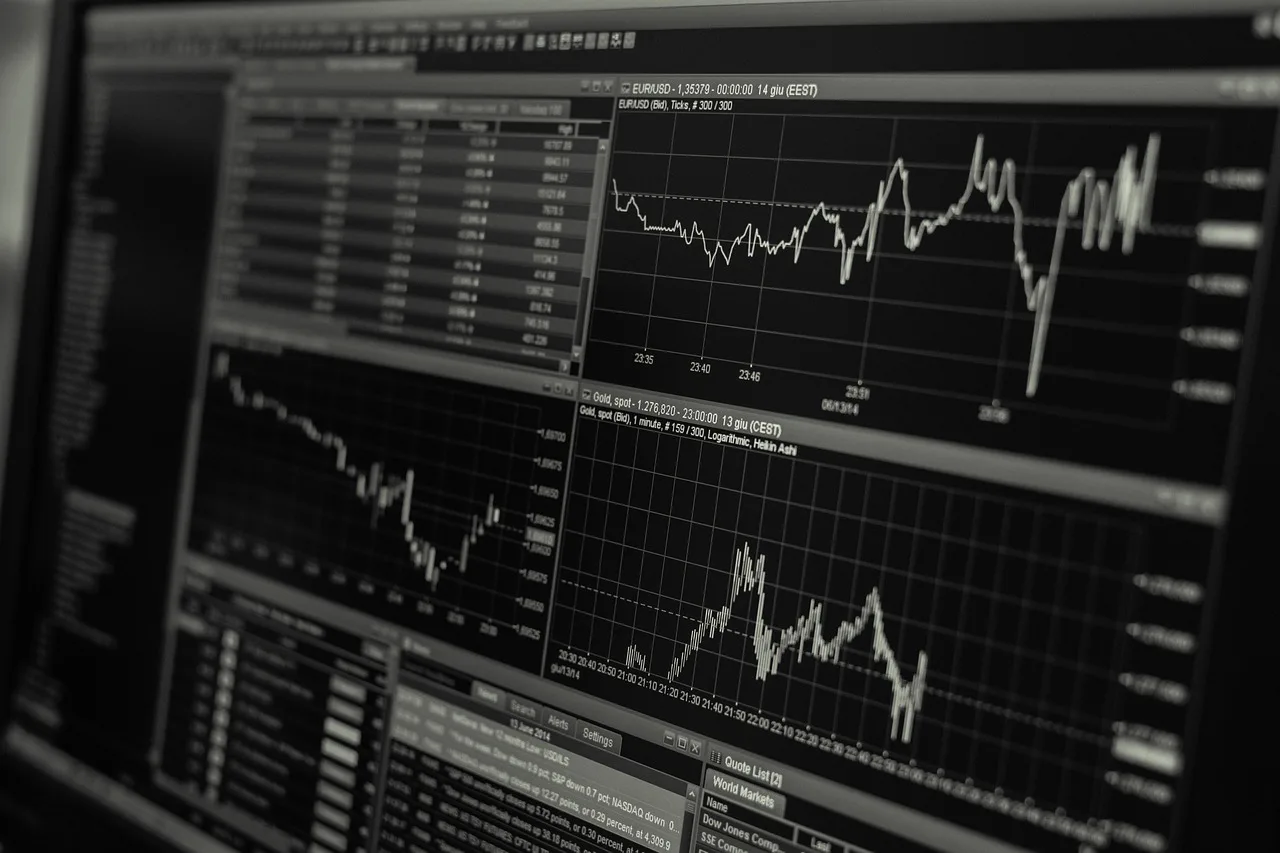










Gold prices remained suppressed on Wednesday after Iran launched a significant missile barrage toward Israel, a move that threatens to derail ongoing ceasefire negotiations and destabilize global financial markets. The precious metal, typically viewed as a traditional safe-haven asset, struggled to gain momentum despite the heightened geopolitical volatility in the Middle East.
The Context of Market Volatility
The sudden escalation follows months of fragile diplomatic efforts aimed at de-escalating the conflict between Israel and regional proxies. Investors have been closely monitoring the situation as military actions directly impact crude oil shipping lanes and global supply chain security.
Historically, gold serves as a hedge against inflation and geopolitical uncertainty. However, recent market behavior suggests that investors are balancing the appeal of safe-haven assets against the strength of the U.S. dollar and evolving interest rate expectations from the Federal Reserve.
Market Dynamics and Investor Sentiment
Market analysts note that the initial reaction in gold prices has been muted compared to previous escalations. This disconnect may stem from a broader shift in capital allocation, where traders are prioritizing liquidity in the greenback over traditional precious metal holdings during periods of extreme uncertainty.
Data from the World Gold Council indicates that central bank buying has been a primary driver of gold prices throughout 2024. Despite this institutional support, short-term price action remains highly sensitive to daily news cycles emerging from the Levant.
Energy markets have reacted more aggressively to the news, with oil prices surging as traders account for potential disruptions to production in the Persian Gulf. This divergence between energy and precious metals highlights a complex trading environment where traditional correlations are being tested.
Industry Implications
For the financial sector, the persistence of these regional tensions suggests that volatility will remain a fixture of the fourth quarter. Institutional investors are expected to maintain defensive postures, though the lack of a sustained rally in gold could signal a temporary shift in risk appetite.
Financial advisors warn that while gold remains a critical component of diversified portfolios, its performance in the coming weeks will depend on the intensity of the military response and the subsequent diplomatic fallout. The market is currently waiting for clarity on whether the conflict will be contained or if it will evolve into a broader regional war.
Moving forward, market participants should watch for shifts in U.S. Treasury yields and any official statements from the G7 regarding potential sanctions or diplomatic interventions. If the conflict persists without a clear resolution, investors may return to gold as a hedge, potentially driving prices back toward record highs if central banks continue their aggressive accumulation strategies.