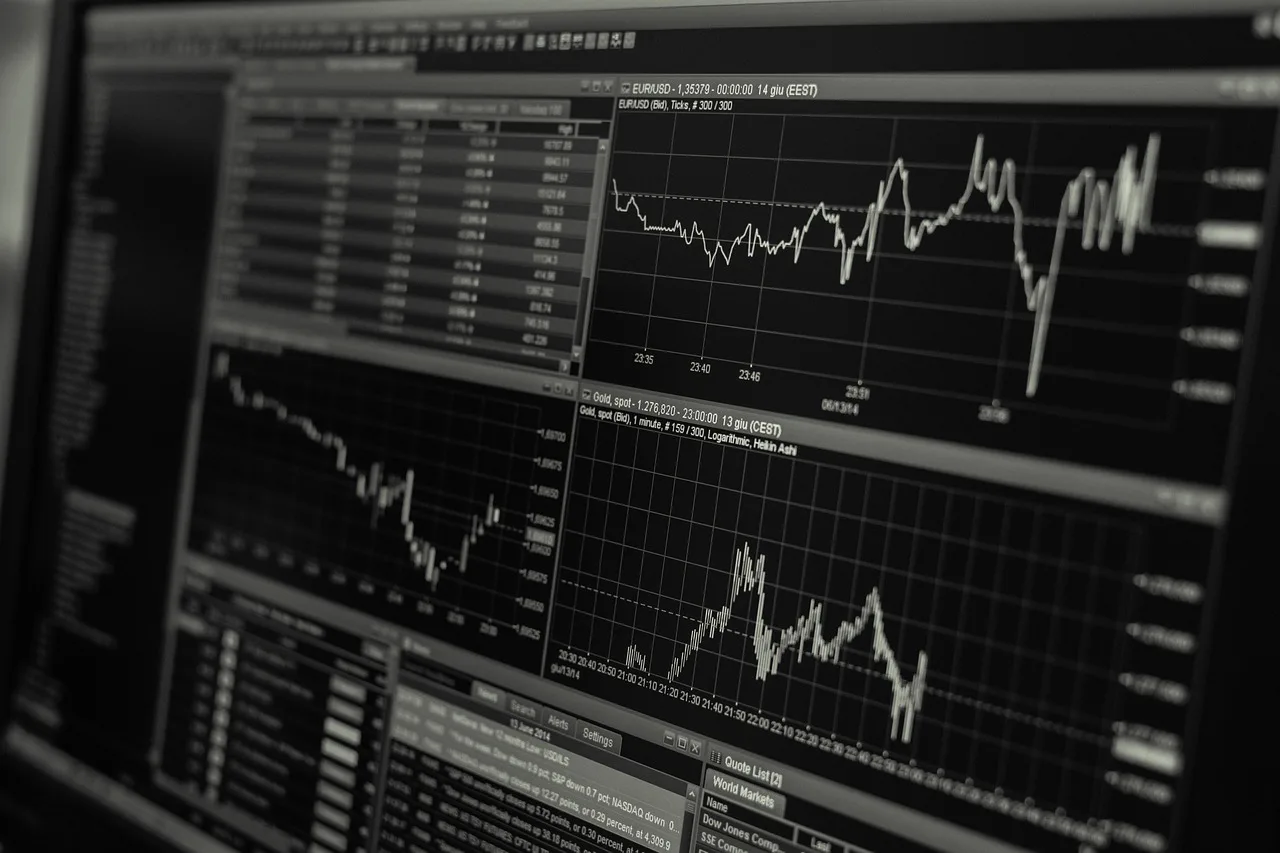





Prediction markets, platforms where users wager on the outcomes of real-world events, have emerged as a significant financial trend among young men across the United States in 2024. Driven by the fusion of social media influence, gamified interfaces, and the pursuit of rapid capital, these platforms are increasingly competing with traditional sports betting and stock trading for the attention of a demographic seeking both high-stakes thrills and perceived financial autonomy.
The Mechanics of Modern Wagering
Unlike traditional gambling, prediction markets function by allowing participants to buy and sell shares in the outcome of future events, ranging from political elections to economic indicators. The platforms utilize blockchain technology and decentralized finance models, which often bypass the regulatory hurdles associated with traditional brokerage firms or casinos.
Market participants often view these platforms as a hybrid between a news aggregator and a high-frequency trading desk. The speed at which information travels on social media platforms like X (formerly Twitter) allows users to react instantly to breaking news, creating a volatile environment where fortunes can be made or lost in minutes.
Contextualizing the Digital Gold Rush
The surge in popularity follows a broader trend of retail participation in financial markets that began during the 2020 pandemic. Young investors, disenfranchised by traditional wealth-building paths and disillusioned by slow-moving institutional finance, have gravitated toward high-risk, high-reward digital assets.
Behavioral economists note that the gamification of these platforms is a key driver for engagement. By incorporating leaderboards, social sharing features, and intuitive mobile interfaces, these markets transform probability assessment into a competitive sport. For many, the social validation of accurately predicting a niche event is as rewarding as the monetary gain.
Risks and Regulatory Scrutiny
Despite the excitement, the financial risks are substantial. Unlike regulated securities, prediction markets often lack consumer protections, meaning users have little recourse if a platform experiences a technical failure or liquidity crisis. One participant noted that after building a balance of $4,600, a series of poor decisions led to a complete loss of the funds, illustrating the fragility of these rapid-growth accounts.
Industry analysts point out that the lack of financial literacy among younger cohorts remains a primary concern. With the barrier to entry being as low as a digital wallet connection, many users enter the space without a firm grasp of risk management or the mathematical principles of odds-making.
Broader Industry Implications
The growth of these markets signals a shift in how the next generation interacts with information. Rather than passively consuming news, younger users are incentivized to vet information critically because their capital is tied to the accuracy of their predictions.
For financial institutions, this represents a disruption in traditional investment behavior. If prediction markets continue to siphon capital away from traditional savings or long-term investment vehicles, regulators may be forced to intervene with stricter oversight to prevent widespread retail losses.
Future Trends to Monitor
Market observers suggest that the next phase of development will likely involve the integration of artificial intelligence tools, which users are already employing to scrape data and calculate probabilities faster than humanly possible. As the technology matures, the line between social commentary and financial speculation will continue to blur, making these platforms a permanent, albeit controversial, fixture of the digital economy.