



Tata Steel UK officials confirmed that assessment teams are currently evaluating the scale of damage at the Port Talbot steelworks following a significant fire that broke out at the facility’s Pickle Line plant earlier this week. While the incident caused substantial structural damage to a critical processing unit, the company reported no injuries among staff or contractors. Operations management has outlined a recovery timeline, with the facility’s Hot Strip Mill scheduled to resume production by the middle of next week.
Contextualizing the Port Talbot Infrastructure
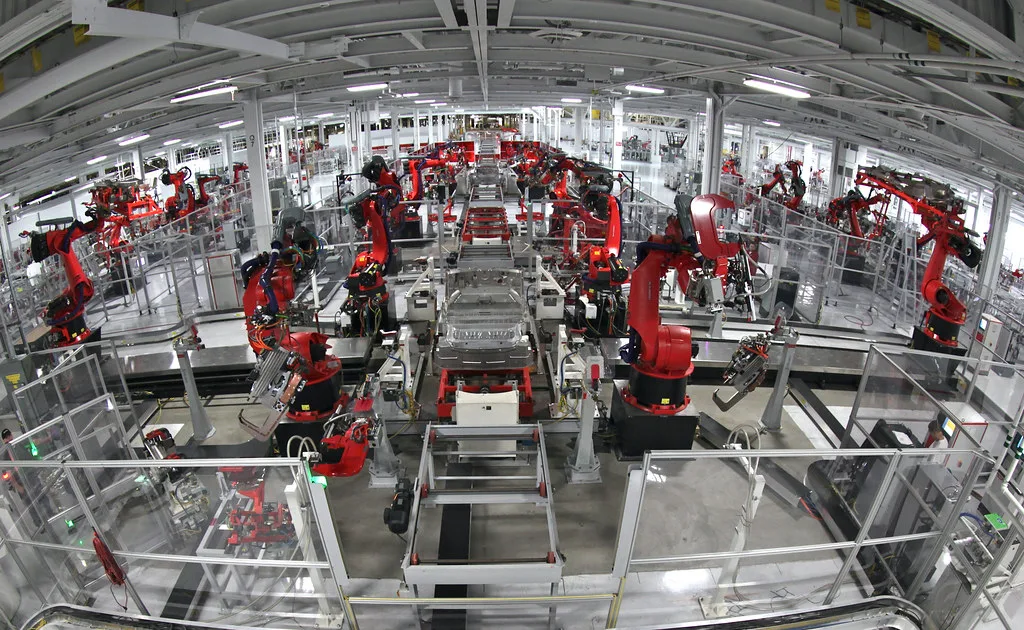
The Port Talbot site stands as the cornerstone of British steel production, housing the United Kingdom’s largest integrated steelworks. The Pickle Line serves as an essential stage in the manufacturing process, where steel coils are cleaned in acid baths to remove surface impurities before further processing or coating.
The facility is currently in the midst of a broader, government-backed transition toward greener steelmaking technologies. This incident adds a layer of operational complexity to an already high-stakes period for the industrial giant, which has been managing the decommissioning of older, carbon-intensive blast furnaces.
Operational Impact and Recovery Efforts
Engineering teams are working around the clock to isolate the damaged sections of the Pickle Line while ensuring the safety of the wider site. By isolating the affected zone, management aims to minimize the ripple effect on the rest of the supply chain, which relies on the continuous flow of steel through the plant.
The decision to prioritize the restart of the Hot Strip Mill suggests that Tata Steel aims to maintain its primary output capacity despite the disruption. Industry analysts note that even a short-term pause in production can create bottlenecks, given the just-in-time nature of the automotive and construction sectors that rely on Port Talbot’s output.
Industry Perspectives and Supply Chain Risks
According to data from the UK Steel trade association, the domestic steel sector is highly sensitive to production interruptions due to its reliance on a limited number of integrated sites. Any prolonged outage risks forcing downstream manufacturers to source imports, potentially altering local market pricing.
“The resilience of the supply chain is frequently tested by such incidents,” says an independent industrial analyst monitoring the sector. “The speed with which Tata Steel brings the Hot Strip Mill back online will be the primary indicator of whether this incident remains a contained localized event or impacts broader market supply.”
Looking Ahead: Resilience and Future Operations
The focus now shifts to the detailed engineering report expected to follow the current site assessment. Stakeholders will be watching for clarity on whether the damage to the Pickle Line requires a temporary workaround or a more extensive, long-term repair project that could impact production volume for the remainder of the quarter.
Future operational stability depends on how quickly the company can integrate these repairs into its ongoing decarbonization roadmap. As the industry moves toward electric arc furnace technology, maintaining the reliability of existing infrastructure remains a critical challenge for management to avoid further supply disruptions.