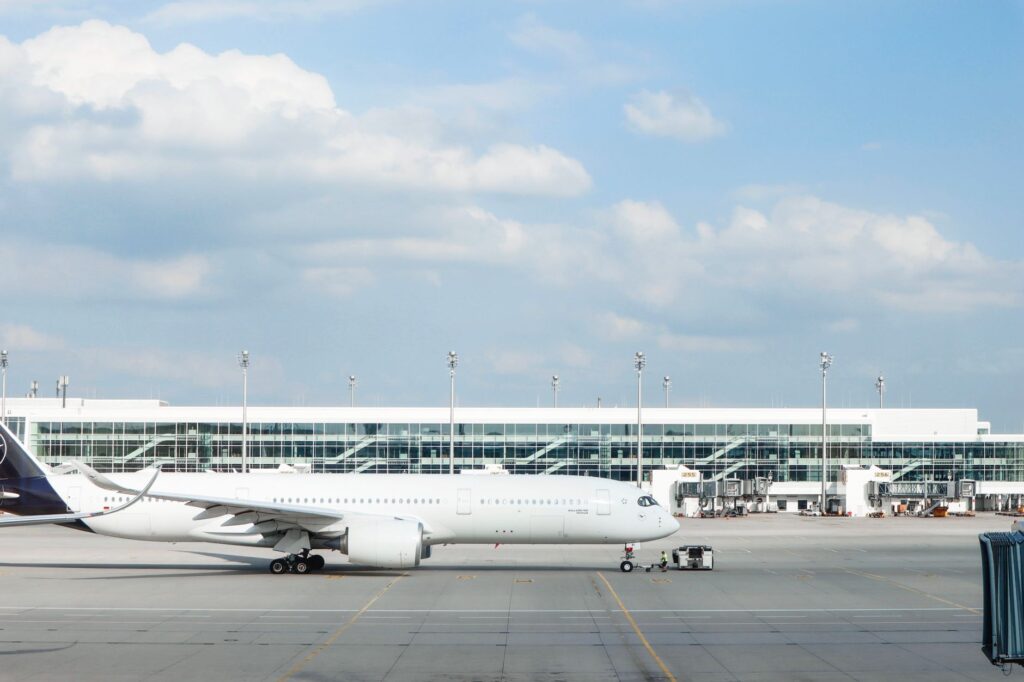

IndiGo Managing Director Rahul Bhatia raised strong objections against airport operators holding financial stakes in commercial airlines during an industry address this week, citing structural conflicts of interest that could compromise fair market access in India’s booming aviation sector. The warning comes as InterGlobe Aviation, IndiGo’s parent company, reported a consolidated net loss of ₹238 crore for the April-June quarter, a sharp contraction from the ₹2,176.3 crore profit recorded in the same period last year due to soaring aviation fuel prices and operational pressures.
Rising Tension Over Vertical Integration in Aviation
The controversy surrounding cross-ownership between airport infrastructure operators and air carriers has gained momentum as private consortia expand their footprint across India’s domestic transit hubs. Industry governance frameworks typically separate airport management from airline operations to ensure neutral allocation of landing slots, ground handling services, and user fee structures.
Critics argue that when an entity controls both the physical hub and a commercial operator, independent carriers risk facing discriminatory pricing and disadvantageous flight timing windows. Global regulatory bodies, including the European Union Aviation Safety Agency and the United States Federal Aviation Administration, maintain strict oversight on vertical integration within transport infrastructure to prevent anti-competitive monopolization.
Fuel Price Spikes Disrupt Carrier Profitability
IndiGo’s sudden shift into negative earnings highlights the extreme sensitivity of low-cost carriers to volatile input expenses. Aviation turbine fuel (ATF) accounts for approximately 40 percent of an Indian airline’s total operational outlay, making bottom-line margins acutely vulnerable to global crude oil price swings and local taxation tariffs.
Despite maintaining a dominant domestic market share exceeding 60 percent, IndiGo faced elevated expenditures compounded by supply chain disruptions and grounded aircraft. The carrier’s quarterly performance underlines a broader trend across regional airlines, where robust passenger demand is being offset by relentless operational cost inflation.
Regulatory Oversight and Market Competition
Aviation economists and market analysts emphasize that independent infrastructure oversight is vital for preserving healthy competition in high-growth aviation markets. Data from the Ministry of Civil Aviation demonstrates that domestic passenger traffic in India has surged past pre-pandemic levels, driving urgent demand for new airport capacity and expanded fleet operations.
The Competition Commission of India (CCI) and the Civil Aviation Ministry are currently monitoring market consolidation trends as private infrastructure conglomerates expand their portfolios. Industry experts warn that unmitigated cross-ownership could deter foreign direct investment and stifle regional connectivity initiatives aimed at under-served air routes.
Broad Implications for the Transport Industry
For passengers and industry stakeholders, the outcome of this policy debate will shape ticket pricing structures, service quality, and route accessibility for years to come. Unchecked monopolistic practices at primary hub airports typically lead to higher passenger service fees and restricted flight options, directly impacting consumer travel costs.
Watch for upcoming policy clarifications from the Ministry of Civil Aviation regarding airport privatization guidelines and operator qualification norms. Additionally, regulatory decisions on jet fuel taxation frameworks and slot allocation transparency will serve as key indicators of whether the market can balance rapid infrastructure expansion with equitable competition.