




The Accidental Entrepreneur
Paula Blankenship, a 50-year-old former DIY enthusiast, transformed a simple kitchen-table project into a $31 million annual revenue business. Starting from her home, Blankenship leveraged her inherited passion for furniture design to disrupt the household goods market, proving that significant commercial success is not limited to younger demographics or venture-backed startups.
The Roots of Innovation
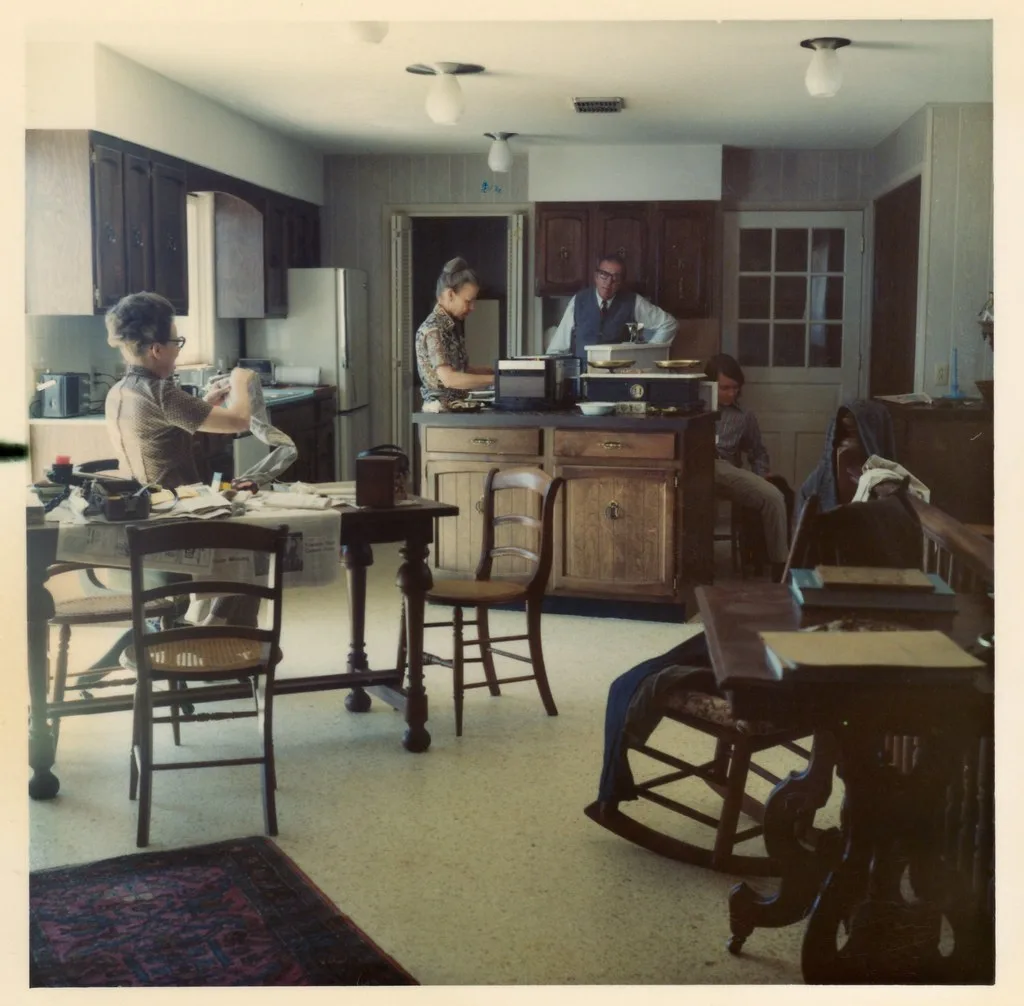
Blankenship’s journey began with a focus on practical, everyday household products designed to solve common domestic frustrations. Drawing inspiration from her mother’s hands-on approach to home improvement, she spent years refining her craftsmanship before deciding to scale her operations. This transition from hobbyist to business owner highlights a growing trend of ‘late-bloomer’ entrepreneurs who utilize decades of life experience to identify untapped market needs.
Scaling the Domestic Dream
The company’s rapid growth trajectory reflects a shift in consumer behavior toward authentic, founder-led brands. By maintaining a lean operational model in the early stages, Blankenship successfully navigated the complexities of supply chain management and product distribution. Industry analysts note that her focus on high-quality, utilitarian design allowed the business to capture a loyal customer base that values durability over mass-produced alternatives.
Market Dynamics and Industry Impact
Financial reports indicate that the household goods sector is currently experiencing a surge in demand for specialized, small-batch innovations. Data from the Small Business Administration suggests that entrepreneurs over the age of 50 are among the most successful demographic groups in terms of long-term business survival rates. This success is often attributed to the combination of professional experience, established professional networks, and a more calculated approach to financial risk.
Strategic Growth and Future Outlook
The implications of Blankenship’s success are significant for both aspiring entrepreneurs and established retailers. Her story underscores the viability of the direct-to-consumer model for home goods, provided the product offers a clear solution to a documented problem. As the brand continues to scale, observers are watching to see if the company will seek external investment or maintain its current independent structure to preserve its core mission.
Looking ahead, the industry will likely see an increase in similar founder-led narratives, as digital platforms lower the barrier to entry for innovative home-based businesses. Experts suggest that the next phase of growth for this sector will involve integrating sustainable materials and advanced logistics to keep pace with global demand. Monitoring how Blankenship balances rapid expansion with the intimacy of her original brand ethos will provide a roadmap for others looking to turn domestic expertise into a scalable enterprise.