



The Indian government, led by the Ministry of Petroleum and Natural Gas, announced this week that it will officially launch E85 fuel—a blend consisting of 85% ethanol and 15% gasoline—starting in 2026. This strategic initiative aims to reduce the nation’s heavy reliance on crude oil imports while simultaneously curbing vehicular emissions across major metropolitan areas.
Expanding the Green Infrastructure
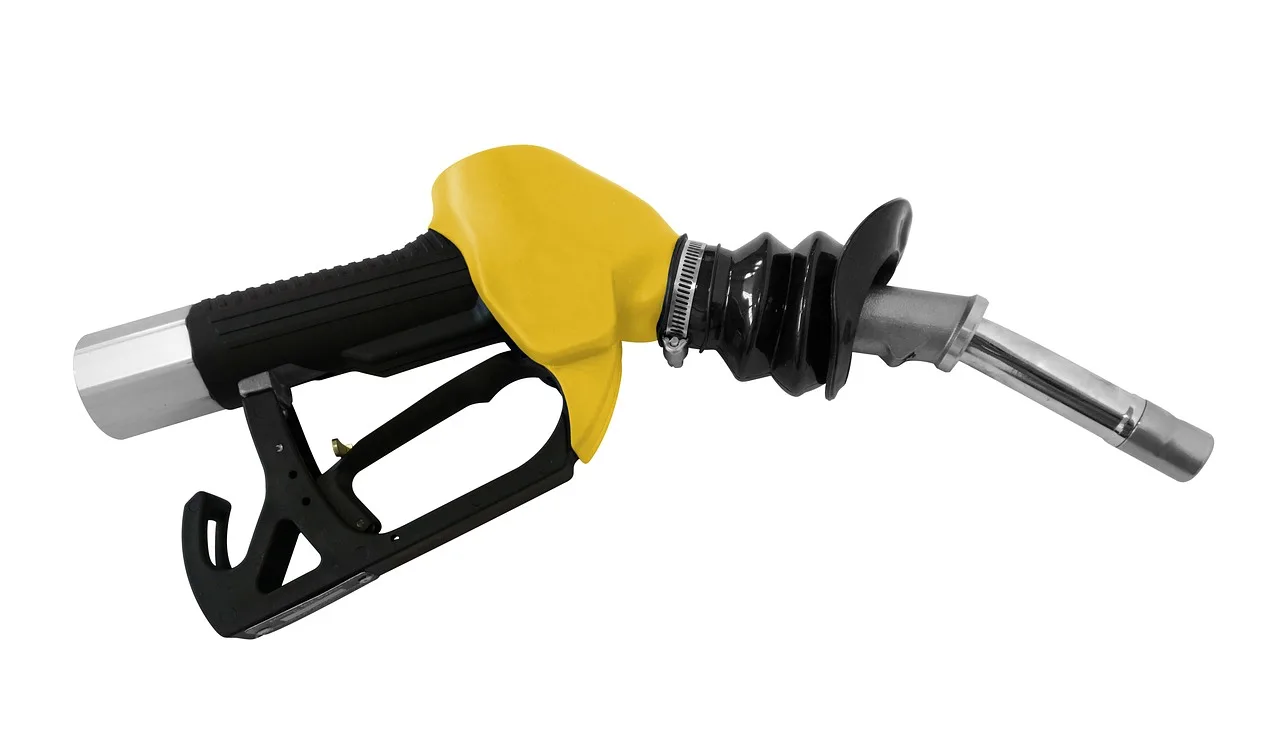
The rollout is scheduled to commence in 2026, with an ambitious infrastructure plan to establish 5,000 retail fuel outlets equipped to dispense E85 by 2027. This rapid expansion is designed to support the growing fleet of flex-fuel vehicles (FFVs) currently being developed by major domestic manufacturers, including Maruti Suzuki and Hero MotoCorp.
India has been steadily increasing its ethanol blending mandate over the past decade, moving from 5% in 2014 to the current 12-15% range. The transition to E85 represents a significant leap in the country’s energy policy, shifting from a supplemental additive strategy to a primary fuel source model.
The Economic and Environmental Rationale
Energy analysts note that India currently imports over 85% of its oil requirements, creating a significant strain on the national current account deficit. By leveraging domestic agricultural surplus—specifically sugarcane and grain-based ethanol—the government expects to save billions of dollars in foreign exchange annually.
Environmental experts highlight the lower carbon intensity of E85 compared to conventional petrol. According to data from the Ministry of New and Renewable Energy, burning ethanol-blended fuel can reduce tailpipe emissions of carbon monoxide and hydrocarbons by up to 35% in compatible engine architectures.
Industry Adaptation and Vehicle Compatibility
Major automakers are already adjusting their production lines to accommodate the high ethanol content required for E85. Vehicles engineered for E85 require specialized fuel sensors, corrosion-resistant fuel lines, and modified engine management systems to handle the different combustion properties of high-percentage ethanol.
Maruti Suzuki and Hero MotoCorp have both signaled support for the policy, viewing it as a critical pillar for the future of internal combustion engine (ICE) vehicles in a market increasingly pressured by electrification. These manufacturers are currently testing prototypes to ensure that engine longevity is not compromised by the high-acidity nature of ethanol at scale.
Future Implications for the Energy Landscape
The success of the E85 program will hinge on the stability of the ethanol supply chain and the pricing mechanism at the pump. While ethanol is significantly cheaper to produce than gasoline, the government must ensure that the diversion of feedstock does not negatively impact food security or commodity prices.
Market observers will be watching the 2026 launch closely to see if consumer adoption matches the aggressive infrastructure targets. If the rollout proves successful, it could serve as a blueprint for other developing nations seeking to decarbonize their transport sectors without fully abandoning existing ICE infrastructure. The next phase of development will likely involve tax incentives for consumers who opt for flex-fuel models, further bridging the price gap between traditional petrol vehicles and their greener counterparts.