




Fitch Ratings reported this week that Indian corporate earnings are projected to experience a significant recovery by fiscal year 2027, driven by robust domestic demand and strategic capital expenditure. However, the international credit rating agency warned that potential shifts in United States trade policy, specifically the threat of new tariffs, introduce a layer of macroeconomic volatility that could temper this growth trajectory.
The Current Economic Landscape
India’s corporate sector has navigated a period of mixed performance throughout the current fiscal cycle, balancing high interest rates against strong infrastructural investment. Recent data indicates that while domestic consumption remains a primary pillar of economic stability, external headwinds—particularly cooling global demand and fluctuating energy costs—have impacted profit margins across several key industries.
The Reserve Bank of India (RBI) has maintained a cautious stance on monetary policy, aiming to anchor inflation while supporting industrial output. This delicate balancing act has provided a predictable environment for long-term planning, yet firms remain sensitive to global supply chain disruptions and geopolitical shifts.
Navigating the Tariff Cloud
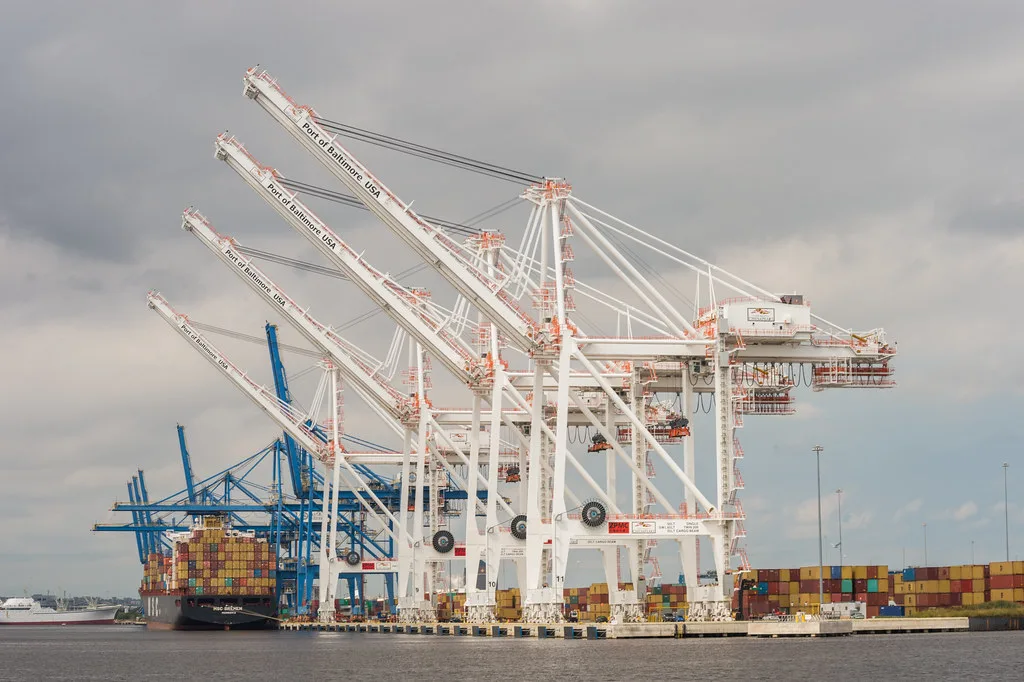
The primary concern cited by Fitch revolves around the potential for protectionist trade policies emanating from the United States. Analysts argue that if the U.S. implements aggressive tariff regimes, sectors heavily reliant on exports, such as information technology, pharmaceuticals, and textile manufacturing, could face immediate margin compression.
Economists note that the interconnected nature of modern supply chains means that even indirect trade barriers could ripple through the Indian market. While the Indian government has initiated ‘Make in India’ incentives to bolster local production, these initiatives face a long transition period before they can fully offset potential losses in the U.S. export market.
Expert Perspectives on Growth Drivers
Market analysts point to the government’s sustained focus on capital expenditure as a stabilizer for earnings. According to recent reports, public investment in roads, railways, and renewable energy has created a multiplier effect, supporting engineering and construction companies even as consumer-facing sectors face cyclical fluctuations.
Data from the National Stock Exchange shows that firms with strong balance sheets and lower debt-to-equity ratios are better positioned to weather the upcoming period of uncertainty. Financial experts suggest that companies prioritizing digital transformation and operational efficiency are expected to outperform their peers through 2027.
Implications for Investors and Industry
For investors, the outlook suggests a need for portfolio diversification that accounts for both domestic growth and international risk. The potential for U.S. policy shifts necessitates a closer look at companies with diversified revenue streams and those with a high degree of integration into domestic value chains.
Industry leaders are advised to prepare for increased volatility in currency markets as global trade dynamics evolve. Looking ahead, stakeholders should monitor upcoming U.S. legislative sessions and trade negotiations, as these outcomes will serve as primary indicators for the sustainability of India’s export-oriented earnings growth in the coming years.