
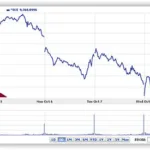





Market Reversal Following Robust Employment Data
Wall Street suffered its most significant setback of the year on Friday as the S&P 500 plummeted 2.6 percent, abruptly ending a nine-week rally that had defined the summer trading session. Investors reacted sharply to the latest Bureau of Labor Statistics data, which revealed a surprisingly robust labor market that signaled the Federal Reserve may maintain higher interest rates for an extended period.
The Context of Economic Tightening
The recent market optimism had been fueled by widespread investor belief that the Federal Reserve was nearing the end of its aggressive monetary tightening cycle. Analysts had previously priced in a “soft landing” scenario, anticipating that inflation would cool without triggering a recessionary spike in unemployment. However, the latest jobs report shattered this consensus, showing that employers added more positions than expected, thereby keeping wage-push inflation risks alive.
The Mechanics of the Sell-Off
The sell-off was broad-based, affecting technology, consumer discretionary, and industrial sectors alike as treasury yields climbed in response to the news. Higher yields generally make borrowing more expensive for corporations and reduce the present value of future earnings, which disproportionately impacts high-growth tech stocks. Traders are now recalibrating their expectations for the Federal Open Market Committee’s next meeting, with many futures markets now pricing in a higher probability of a rate hike in the coming months.
Expert Perspectives on Volatility
“The market had become perhaps too comfortable with the narrative of a quick pivot to rate cuts,” says Sarah Jenkins, a senior market strategist at Global Equities Research. “When the data shows the economy is running hotter than expected, the math behind equity valuations simply has to change to account for a ‘higher for longer’ interest rate environment.” Data from the CME FedWatch Tool currently reflects this shift, showing a marked increase in the number of traders expecting at least one more rate increase before the end of the year.
Broader Implications for Investors
For the average investor, this volatility serves as a stark reminder that macroeconomic data remains the primary driver of market sentiment. Retail investors should prepare for continued turbulence as the market searches for a new equilibrium between economic strength and the cost of capital. Wealth managers are increasingly advising a shift toward defensive portfolios, emphasizing quality companies with strong balance sheets and the ability to withstand higher debt-servicing costs.
What to Watch Next
Market participants are now turning their attention to the upcoming Consumer Price Index (CPI) release, which will provide further clarity on whether the strong labor market is successfully translating into persistent core inflation. Analysts will also monitor corporate earnings guidance for the third quarter to see if businesses are beginning to report margin compression due to elevated borrowing costs. The divergence between resilient employment figures and restrictive monetary policy will likely dominate trading volumes for the remainder of the quarter.