





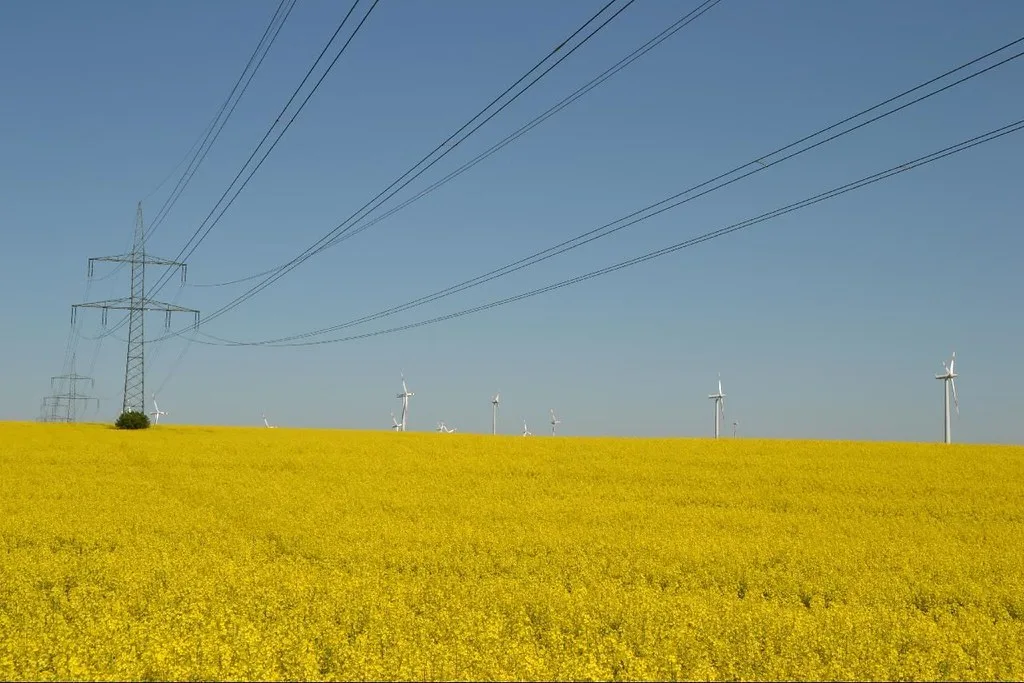
The Consultative Committee on Power convened this week to address a critical bottleneck in the national energy transition: the growing disparity between renewable energy (RE) capacity additions and the lagging development of transmission infrastructure. As grid operators struggle to integrate surging clean energy generation, the committee highlighted that inefficient transmission networks are leading to significant curtailment—the forced loss of clean power that the grid cannot accommodate.
The Growing Infrastructure Gap
For years, the push for decarbonization has driven rapid investment in wind and solar projects. However, the physical infrastructure required to transport this electricity from remote generation sites to urban consumption centers has failed to keep pace.
The current grid architecture was largely designed for centralized, fossil-fuel-based power plants. It lacks the flexibility and capacity to handle the intermittent nature of renewables and the sheer volume of new generation projects currently coming online.
Transmission Constraints and Curtailment
Transmission congestion has become a primary hurdle for developers and utilities alike. When power lines reach their thermal limits, grid operators must disconnect renewable sources, effectively wasting carbon-free electricity that could otherwise power homes and businesses.
According to recent industry data, the loss of potential renewable generation due to these bottlenecks has reached record levels. This inefficiency not only threatens the economic viability of green energy projects but also undermines national climate targets by forcing a continued reliance on conventional, carbon-intensive baseload power.
Expert Perspectives on Grid Modernization
Energy analysts emphasize that the challenge is not merely about building more lines, but about smarter integration. Experts suggest that the focus must shift toward grid-enhancing technologies (GETs) that optimize existing line capacity through dynamic line rating and power flow control.
“The transition requires a dual-track approach,” noted a senior consultant familiar with the committee’s proceedings. “We need aggressive capital investment in high-voltage interregional transmission, while simultaneously deploying digital solutions to squeeze more performance out of our legacy infrastructure.”
Furthermore, the committee noted that lengthy permitting processes for high-voltage lines often stretch for a decade or more. This misalignment between the speed of renewable energy development and the glacial pace of grid construction remains the single most significant risk to energy security.
Industry Implications
For investors, the current landscape introduces a layer of regulatory and operational uncertainty. Projects that were once considered low-risk are now facing extended queues for grid connection, impacting internal rates of return and forcing developers to re-evaluate their portfolios.
Utilities are under increasing pressure from regulators to accelerate transmission upgrades. Failure to do so could result in higher costs passed down to consumers, as utilities pay for the inefficiency of the grid through lost energy and maintenance of aging, overburdened systems.
Looking ahead, stakeholders should monitor upcoming legislative proposals aimed at streamlining the permitting process for interstate transmission lines. The success of the renewable transition will likely hinge on whether policymakers can reconcile the need for rapid grid expansion with local land-use concerns. Market observers are also watching for new incentive structures designed to de-risk transmission projects, which may serve as a catalyst for private sector investment in the coming fiscal year.