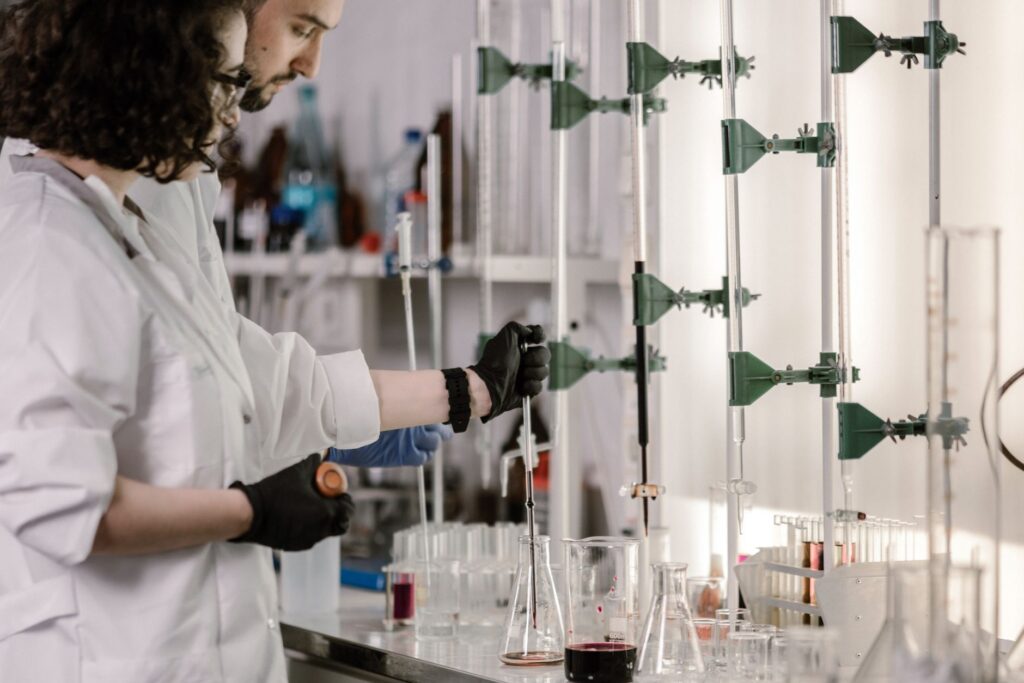

Suven Life Sciences, a leading Indian biopharmaceutical innovator, has entered the final stretch of clinical development for its ambitious central nervous system (CNS) pipeline, positioning itself to address some of the world’s most debilitating neurological disorders. Operating from its state-of-the-art research facilities in Hyderabad, India, the company is advancing several proprietary molecules through late-stage global clinical trials this year to target unmet medical needs in Alzheimer’s disease, schizophrenia, and major depressive disorder. This critical phase represents a high-stakes milestone for both the company and the global psychiatric healthcare sector, which has long struggled with a dearth of novel therapeutic options.
The High-Stakes Arena of Neurodegenerative Research
Developing therapies for central nervous system disorders remains one of the most challenging and expensive frontiers in modern medicine. Historically, CNS drug candidates face an attrition rate of over 90 percent during clinical development, primarily due to the complexity of the human brain and the difficulty of crossing the blood-brain barrier. Many global pharmaceutical giants have scaled back their neuroscience divisions over the past two decades, opting for less risky therapeutic areas like oncology.
Despite these headwinds, Suven Life Sciences has consistently dedicated its resources to neurodegenerative research, building one of the deepest innovation pipelines in the developing world. To fund these capital-intensive trials, Suven strategically restructured its business, spinning off its profitable contract development and manufacturing operations to secure steady cash flows while keeping the high-risk, high-reward drug discovery unit independent. This financial maneuvering has allowed the company to weather the long gestation periods typical of neuroscience research, a strategy that is now facing its ultimate test as clinical trial costs escalate in the final phases.
Inside Suven’s Pipeline: The Lead Candidates
At the forefront of Suven’s clinical portfolio is Masupirdine (SUWN-502), a selective 5-HT6 receptor antagonist currently undergoing Phase 3 clinical trials. This compound is specifically designed for the treatment of agitation and aggression in patients with Alzheimer’s type dementia. Currently, clinical management of Alzheimer’s-related agitation relies heavily on off-label antipsychotics, which carry significant black-box warnings and safety risks for elderly patients.
Another highly watched asset is Samelisant (SUWN-G3031), a histamine H3 receptor antagonist that has completed Phase 2 clinical trials for the treatment of narcolepsy and cognitive dysfunction. Early data indicates that Samelisant successfully promotes wakefulness and improves cognitive performance without the abuse potential associated with traditional stimulants. Additionally, the company is advancing Usmarapride (SUWN-D4010) for cognitive impairment associated with schizophrenia, a condition that currently has no approved pharmacological treatments.
Expert Perspectives and Market Data
Industry analysts point out that a successful late-stage trial could fundamentally shift how the global market views Indian pharmaceutical capabilities. Traditionally recognized as the “pharmacy of the world” for its massive generic drug manufacturing capacity, India has rarely produced blockbuster new chemical entities (NCEs). A successful drug launch from Suven would mark a historic transition from generic manufacturing to high-value, global drug discovery.
According to data from the World Health Organization, more than 55 million people live with dementia globally, a figure projected to rise to 139 million by 2050. The economic burden is equally staggering, with global costs estimated at over $1.3 trillion annually. “The psychiatric drug market is starved for novel mechanisms of action,” says Dr. Aris Persidis, a veteran biotechnology consultant. “If Suven can demonstrate robust efficacy and safety in its Phase 3 trials, it will secure a highly lucrative position in the global neuropsychiatry market.”
Global Implications for Patients and Industry
For patients and caregivers, the successful commercialization of these molecules could mean a dramatic improvement in quality of life. Agitation in Alzheimer’s patients is one of the leading causes of early institutionalization, placing immense physical, emotional, and financial strain on families. An effective, approved treatment would allow patients to remain in their homes longer and reduce caregiver burnout.
For the pharmaceutical industry, Suven’s progress serves as a litmus test for independent, mid-sized biotech firms attempting to bring NCEs to market without the initial backing of multinational conglomerates. Success would validate Suven’s capital-efficient research model, which leverages high-quality Indian scientific talent to conduct discovery research at a fraction of the cost incurred by Western peers.
What to Watch Next
The coming months will be decisive as Suven prepares to unblind data from its ongoing Phase 3 trials for Masupirdine. Investors and clinicians are closely watching for safety readouts, particularly regarding cardiovascular tolerability, which has historically plagued other drug candidates in the 5-HT6 class. Positive data will likely trigger licensing discussions with major global pharmaceutical companies to manage commercialization and distribution in North American and European markets.
Furthermore, the company is expected to seek regulatory guidance from the U.S. Food and Drug Administration (FDA) regarding the submission pathways for its lead assets. As these clinical trials reach their final milestones, the results will not only determine Suven’s financial trajectory but could also redefine the therapeutic landscape for millions of individuals living with devastating neurological conditions worldwide.