





State Oversight and Financial Recovery
A special committee of the Jharkhand Assembly has successfully compelled Bharat Coking Coal Limited (BCCL) to deposit ₹200 crore into the state treasury as compensation for the utilization of government land for mining operations. This development, announced this week in Ranchi, marks a significant shift in how the state government manages its natural resources and monitors industrial land usage in the Dhanbad region.
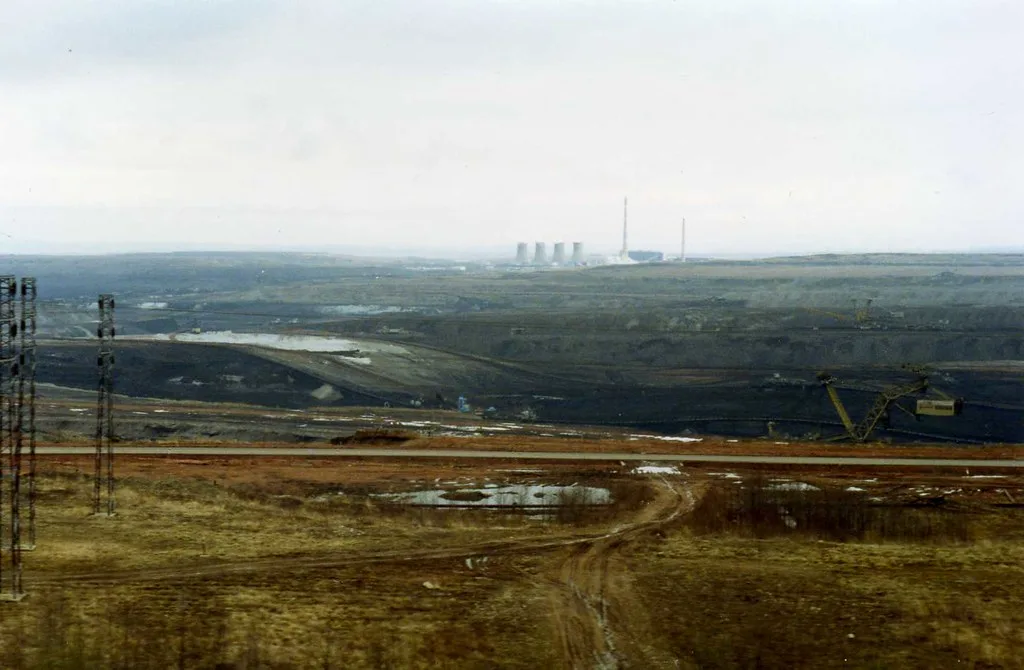
The financial recovery follows a rigorous review process by the legislative panel, which has been tasked with investigating the environmental and economic impact of large-scale coal extraction. The committee is specifically targeting issues related to land encroachment and the unauthorized dumping of overburden—the waste material removed during coal mining—that has long plagued local communities.
The Context of Mining Land Disputes
Dhanbad, often referred to as the coal capital of India, has seen decades of intense industrial activity that frequently overlaps with government-owned land. For years, the legal framework governing the use of these parcels remained loosely enforced, leading to disputes between Public Sector Undertakings (PSUs) and the state administration.
The legislative committee’s intervention serves as a mechanism to formalize these land-use agreements. By requiring companies to pay for the land they occupy, the state aims to generate non-tax revenue while ensuring that industrial giants remain accountable for the footprint they leave on state property.
Broadening the Scope of Accountability
The impact of this initiative is expected to extend well beyond BCCL. According to committee officials, Central Coalfields Limited (CCL) and Eastern Coalfields Limited (ECL) have also acknowledged their use of government land during the inquiry process. These companies are currently in discussions to finalize their own compensatory payments, a move that experts suggest could drive total recoveries beyond the ₹1,000 crore mark.
The committee is not relying solely on historical records or self-reporting by the coal companies. To ensure accuracy, the assembly has proposed a partnership with IIT (ISM) Dhanbad to conduct comprehensive, drone-based surveys of mining sites. These high-resolution aerial assessments are designed to quantify the exact extent of land usage and identify instances of unauthorized mining or waste dumping that have previously escaped regulatory oversight.
Technological Integration in Land Management
The transition toward drone-based surveillance represents a modernization of how Jharkhand manages its mineral-rich corridors. By leveraging the technical expertise of IIT (ISM) Dhanbad, the government intends to create a digital database of all mining-related land activity. This will likely reduce the reliance on manual audits, which have historically been slow and prone to human error.
Industry analysts note that this shift toward data-driven regulation could improve the operational transparency of coal PSUs. As the companies move to settle these payments, they are also likely to face stricter scrutiny regarding their land reclamation efforts and environmental compliance in the coming fiscal years.
Future Implications for the Coal Sector
The state government’s success in securing these funds signals a more assertive stance in its relationship with federal PSUs. For the coal industry, this means that land access is no longer a static operational cost but a dynamic financial obligation that will require more precise accounting and land-management strategies.
Moving forward, stakeholders should watch for the official release of the drone survey results, which will likely serve as the baseline for future compensation demands. If these surveys reveal widespread unauthorized occupation, the state may pursue further legal actions or revised land-lease agreements. For residents in the Dhanbad area, the influx of revenue into the state coffers could potentially lead to increased investments in local infrastructure, though the long-term environmental remediation of these sites remains a central concern for the legislative committee.