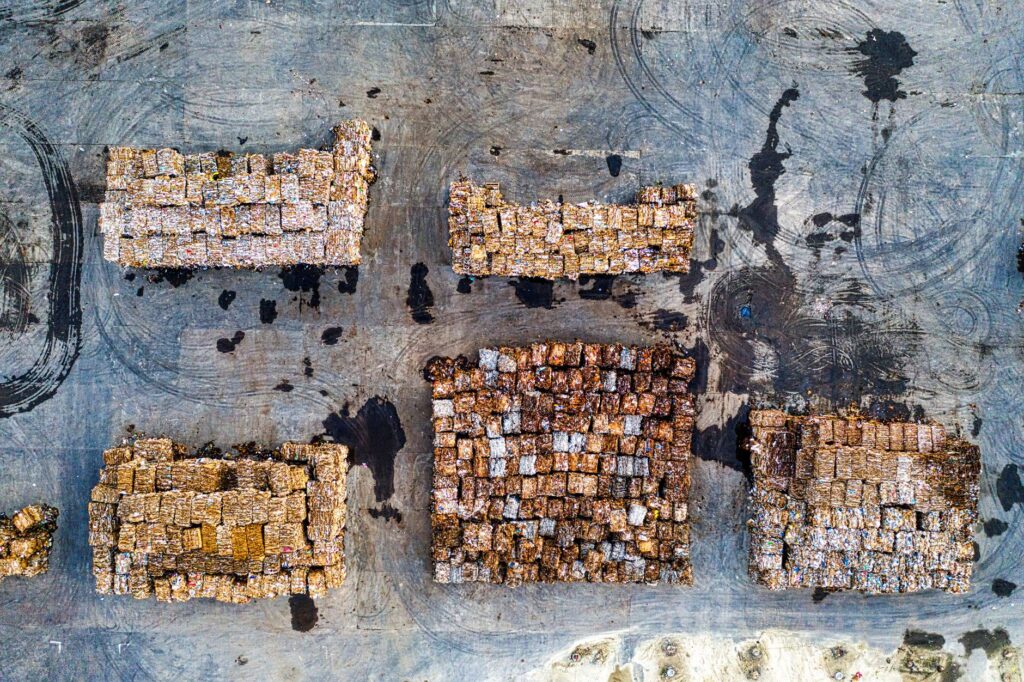

The Aluminium Association of India (AAI) has petitioned the federal government to immediately increase import duties on low-grade aluminium scrap and enforce strict Bureau of Indian Standards (BIS) quality benchmarks. The industry body issued this urgent appeal in New Delhi to protect domestic manufacturers from an influx of substandard foreign waste, which they warn is draining national foreign exchange reserves and undermining local production capabilities.
Rising Import Pressures and Market Distortions
India has rapidly emerged as a primary destination for global aluminium scrap, driven by stricter environmental regulations and import restrictions in other major economies, including China. This regulatory shift has diverted massive volumes of low-quality scrap toward Indian ports, creating severe market distortions for domestic primary producers and recyclers who must adhere to stringent domestic regulations.
Industry data reveals that scrap imports have surged over the past fiscal year, now accounting for a substantial share of India’s total aluminium consumption. Local producers argue that the current basic customs duty of 2.5% on aluminium scrap is insufficient to deter global exporters from dumping low-grade, highly contaminated material into the country.
Economic and Environmental Risks of Unchecked Scrap
The AAI warns that the unchecked inflow of low-grade scrap poses a dual threat to India’s economic stability and environmental goals. Financially, the reliance on imported scrap leads to significant foreign exchange outflows, which could otherwise support domestic resource development, capital expenditure, and job creation within the country.
Environmentally, processing low-grade scrap without stringent quality controls can lead to higher emissions and hazardous waste generation. By notifying and enforcing BIS quality standards, the government would ensure that only high-quality, safe, and recyclable scrap enters the domestic supply chain, aligning with India’s broader sustainability targets and net-zero commitments.
Calls for Policy Alignment and Tariff Reform
Domestic manufacturers are advocating for a tariff structure that rationalizes the duty differential between primary aluminium and scrap. The AAI has proposed raising the basic customs duty on aluminium scrap to at least 7.5%, bringing it on par with other non-ferrous metal scrap duties to create a level playing field for domestic primary metal producers.
Industry representatives emphasize that safeguarding the domestic sector is vital for achieving the government’s self-reliance goals under the ‘Make in India’ initiative. The association highlights that a robust domestic aluminium industry is critical for national security and infrastructure development, given the metal’s widespread use in strategic sectors.
Industry Implications and Future Outlook
If the government accedes to these demands, downstream industries such as automotive, aerospace, construction, and power transmission may face short-term supply adjustments as they transition to domestic or higher-grade certified inputs. However, analysts suggest that a more regulated market will ultimately foster long-term investment in domestic primary production and high-tech recycling facilities.
Observers are now closely monitoring the upcoming federal policy announcements and trade notifications from the Ministry of Commerce and Industry for any indications of tariff revisions. The global metals market will also watch how these potential trade barriers might redirect global scrap flows to other developing economies in the South Asian region.