





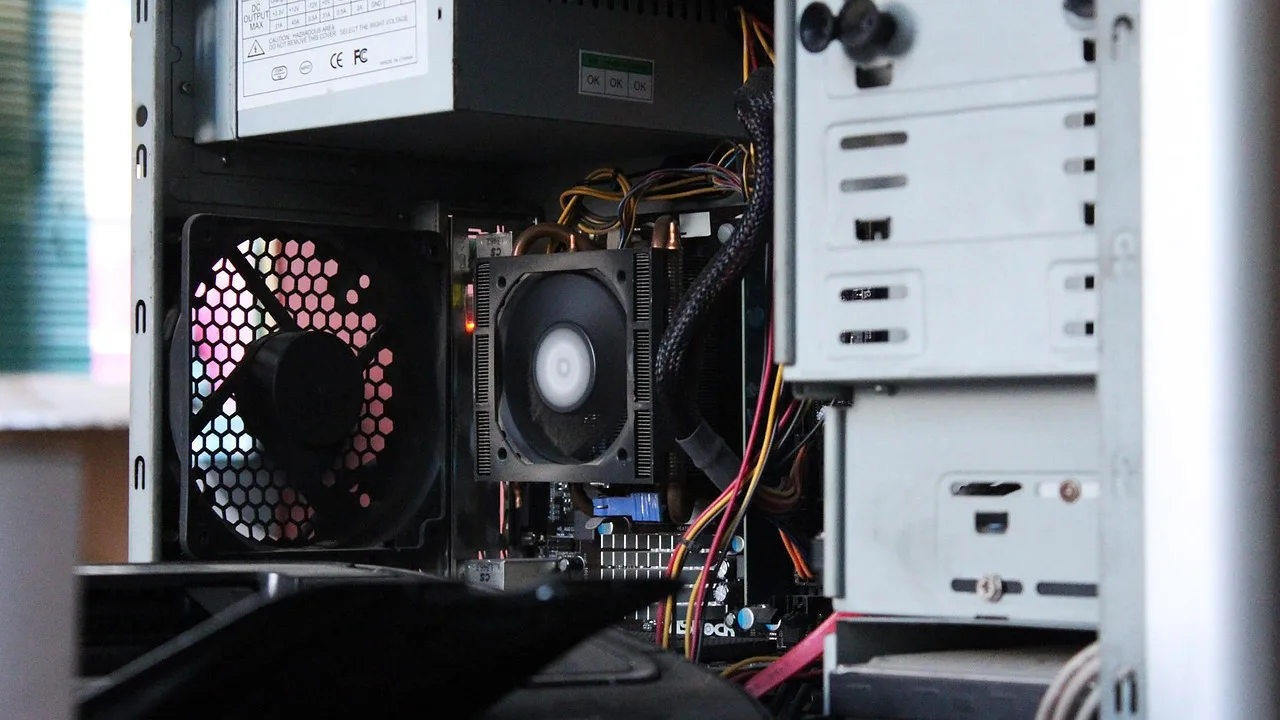
Nvidia, in collaboration with Microsoft, unveiled its new RTX Spark AI chip on Monday, signaling a significant shift in personal computing architecture for laptops and desktops. The processor, developed alongside Taiwan’s MediaTek, enables advanced AI capabilities to run locally on devices rather than relying on cloud-based infrastructure, with initial hardware rollouts slated for this fall across major manufacturers including Dell, HP, Lenovo, and Microsoft Surface.
The Evolution of the Personal Computer
For decades, the personal computer has functioned primarily as an application-centric tool, requiring users to manually launch software, type commands, and manage workflows. Nvidia CEO Jensen Huang describes the RTX Spark as the catalyst for a paradigm shift, moving the user experience from manual navigation to intent-based interaction. By integrating Nvidia’s CUDA architecture and RTX technology into a single superchip, the hardware aims to bridge the gap between heavy-duty cloud computing and portable local devices.
Architecting for Local AI Agents
The primary advantage of the RTX Spark lies in its capacity to power autonomous AI agents directly on the hardware. This shift addresses latency and privacy concerns inherent in cloud-dependent models, allowing users to execute complex tasks, creative workflows, and high-performance gaming without constant server connectivity. By focusing on inference—the process by which AI models execute tasks based on learned data—Nvidia is positioning itself to capture the growing market for routine task automation.
Market Competition and Industry Reception
Nvidia’s entry into the AI PC segment follows a period of mixed market performance for the category. While HP recently reported that AI-enabled devices provided a necessary boost to quarterly earnings, companies like Dell have noted that consumer demand for such hardware has occasionally fallen short of aggressive initial projections. Furthermore, the space is becoming increasingly crowded, with Qualcomm already aggressively marketing its own AI-focused PC chip solutions in partnership with Microsoft.
Expert Analysis and Future Implications
Industry observers view the RTX Spark as a potential inflection point for the hardware sector. Neil Shah, co-founder of Counterpoint Research, suggests that this technology could replicate the transformative impact of the iPhone or ChatGPT by making private edge AI agents a standard household utility. The financial markets responded positively to the announcement, with Nvidia shares climbing approximately 5.5% following the reveal.
Looking Ahead
As the fall launch approaches, the industry will be watching to see if these new devices can convert consumer curiosity into long-term adoption. The success of the RTX Spark will likely hinge on the quality of the software ecosystem developed by Microsoft and third-party developers, as well as the ability of manufacturers to justify the price premium of AI-integrated hardware. Moving forward, the race to define the ‘Personal AI Computer’ will likely center on which firms can offer the most seamless integration of local agentic power and energy-efficient processing.