





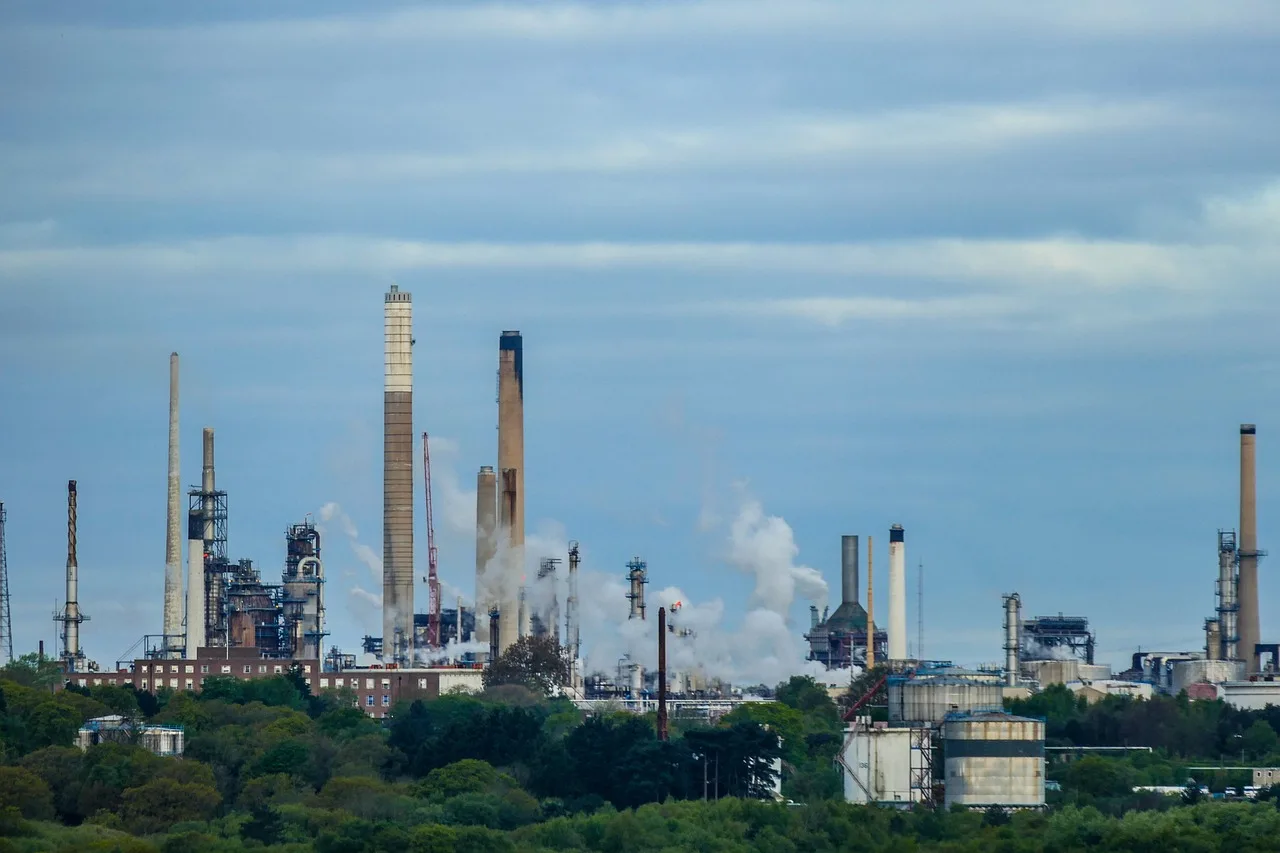
Global oil prices climbed toward the $95-per-barrel threshold on Monday, driven by renewed geopolitical instability in the Middle East following a recent Israeli strike on Lebanon. Brent crude rose more than 2 percent to reach $93.30 per barrel, while U.S. West Texas Intermediate (WTI) surged nearly 3 percent to $89.80, reflecting heightened market anxiety over potential supply chain disruptions.
Context of Regional Instability
The Middle East remains the primary driver of global energy price volatility due to its concentration of critical oil production and transit infrastructure. The latest escalation between Israel and Lebanon has exacerbated existing fears regarding the security of the Strait of Hormuz, a vital maritime corridor through which a significant portion of the world’s daily oil supply passes.
These developments occur against a complex diplomatic backdrop involving Iran and the United States. President Donald Trump has publicly demanded that Tehran refrain from nuclear development and has called for the immediate reopening of the Strait of Hormuz, while Iranian officials have signaled a rejection of U.S.-backed ceasefire proposals, further narrowing the window for a diplomatic resolution.
Market Divergence and Financial Resilience
Despite the upward pressure on energy costs, broader financial markets have exhibited remarkable resilience. Wall Street recently experienced a period of sustained growth, with the Dow Jones Industrial Average surpassing the 51,000-point milestone and the S&P 500 extending a nine-week winning streak. This disconnect between rising energy costs and equity performance suggests that investors are currently prioritizing strong corporate earnings and macroeconomic data over energy-related inflationary risks.
Reports of a temporary 60-day extension of the Iran-U.S. ceasefire have provided a partial buffer for global markets, preventing a more severe reaction in commodity trading. This sentiment has permeated Asian markets as well, where the Nikkei and the Kospi index both recorded significant gains, indicating a global appetite for risk despite the underlying geopolitical friction.
Energy Industry Implications
For the energy sector, the current price environment represents a high-stakes period of uncertainty. Sustained prices near $95 per barrel threaten to increase input costs for global manufacturers and transportation industries, potentially acting as a drag on economic recovery if the trend continues. Analysts note that if regional hostilities expand, the risk of a supply shock increases, which could force central banks to reconsider their current monetary policy stances to combat the resulting inflation.
Looking ahead, market participants will focus heavily on the outcomes of high-level security meetings in Washington and the potential for a long-term diplomatic framework regarding Iran. Traders are also monitoring shipping traffic through the Strait of Hormuz for any signs of obstruction, as any physical interference with transit lanes would likely trigger a rapid and significant increase in crude futures prices.