




Market Performance and AI Momentum
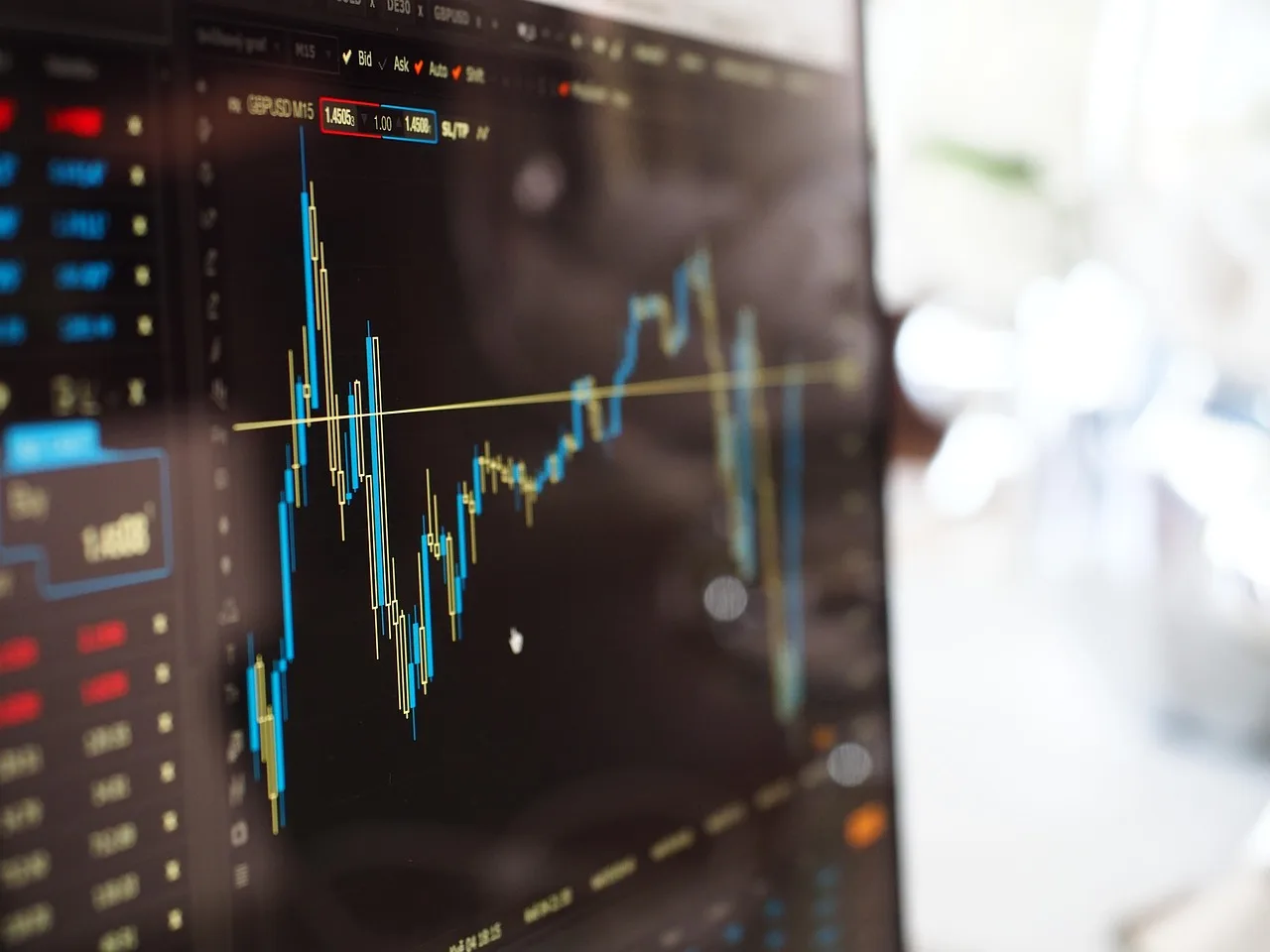
Asian stock markets surged to record highs this Tuesday as investors intensified their focus on the artificial intelligence sector, a trend that continues to drive global equity valuations to unprecedented levels. This rally, fueled by sustained enthusiasm for AI hardware and software infrastructure, persists even as geopolitical instability in the Middle East pushes oil prices higher following reports that a ceasefire agreement between the United States and Iran remains out of reach.
The MSCI Asia Pacific Index climbed to its highest point on record, bolstered by major gains in semiconductor manufacturers and technology conglomerates. Analysts suggest that the market’s resilience is rooted in the expectation that AI-driven productivity gains will offset macroeconomic headwinds, including persistent inflation and high interest rates.
Contextualizing the Current Market Environment
The current market environment is defined by a dichotomy between technological optimism and supply-side risks. While AI companies have become the primary engines of index growth, the energy sector remains highly sensitive to diplomatic developments in the Middle East.
Investors have spent the last three quarters betting on the transformative potential of generative AI, leading to significant capital inflows into tech-heavy indices. Meanwhile, the ongoing volatility in oil markets serves as a reminder of the fragility of the global supply chain. The failure to secure a ceasefire in the Iran-US diplomatic impasse has kept crude oil prices elevated, threatening to complicate central bank efforts to manage inflation.
Detailed Market Analysis
The rally in Asian stocks is largely mirrored by performance in US futures, where investors are pricing in continued growth for companies integrated into the AI value chain. Data from major investment firms indicate that institutional portfolios are increasingly overweight in technology, reflecting a structural shift toward automation and digital infrastructure.
According to recent market reports, the energy sector is reacting to the lack of a diplomatic breakthrough by pricing in a higher risk premium. Brent crude futures have seen incremental gains as traders hedge against potential supply disruptions in the Strait of Hormuz. This shift highlights a broader market trend: the decoupling of tech-sector performance from traditional commodity-based economic indicators.
Expert Perspectives
Financial analysts at major banking institutions highlight that the ‘AI trade‘ is no longer just a speculative bubble, but a foundational shift in capital allocation. However, they warn that the concentration of market gains in a narrow group of technology firms creates potential systemic risk if growth forecasts are not met in the upcoming fiscal quarters.
Data points regarding market breadth show that while the top-tier tech stocks are driving indices upward, smaller-cap stocks have struggled to keep pace. This divergence suggests that investors are favoring companies with large cash reserves and dominant market positions in the AI field.
Future Implications
Looking ahead, market participants will closely monitor the Federal Reserve’s upcoming policy meetings to gauge how interest rates might affect the sustainability of the current equity rally. The primary focus for the next quarter remains the earnings reports from large-cap tech companies, which will determine if the current valuation multiples are fundamentally supported by revenue growth.
Additionally, developments in oil markets will remain a key variable for global inflation expectations. Should geopolitical tensions escalate, investors may shift capital from growth-oriented equities toward defensive assets, potentially tempering the current AI-led momentum.