





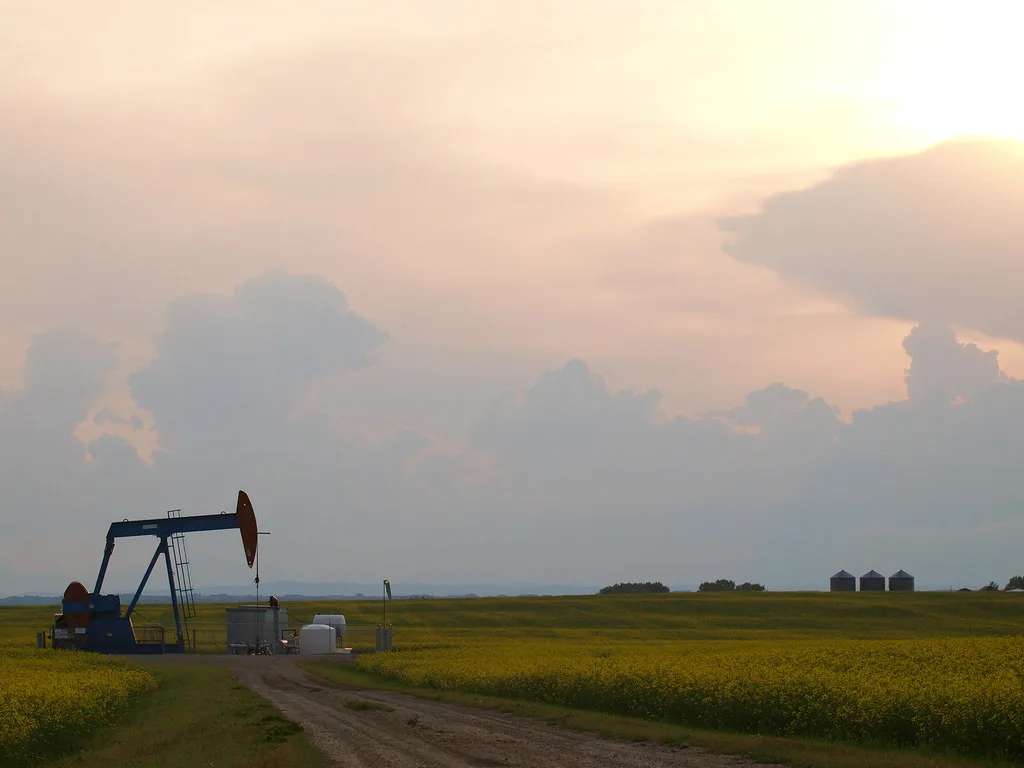
The Paradox of American Energy Expansion
Despite ongoing geopolitical instability in the Persian Gulf threatening nearly one-fifth of the global oil supply, U.S. energy producers are largely resisting the urge to aggressively ramp up drilling operations. While the conflict in Iran has created a vacuum that many expected American companies to fill, domestic firms are instead prioritizing financial stability and shareholder returns over the rapid expansion of new well sites in 2024.
Contextualizing the Global Energy Landscape
The Strait of Hormuz remains a critical bottleneck for international energy markets, with recent regional tensions heightening concerns regarding supply chain security. Policymakers and industry experts, including those at the Institute for Energy Research, have noted that nations worldwide are currently reevaluating energy dependencies. This global shift in strategy has underscored the necessity for greater diversification, positioning the United States as a pivotal player in stabilizing future energy flows.
The Shift Toward Capital Discipline
Industry analysts point to a fundamental change in how American oil companies manage capital. Unlike previous boom-and-bust cycles where high prices triggered immediate drilling sprees, current corporate strategies emphasize disciplined spending. Executives are under significant pressure from investors to maintain healthy balance sheets and pay dividends rather than pouring capital into risky, long-term exploration projects that may face future regulatory uncertainty.
Data from the U.S. Energy Information Administration (EIA) indicates that while production levels remain near record highs, the growth rate of new active drilling rigs has plateaued. This trend reflects a broader industry consensus that prioritizing current infrastructure efficiency is more sustainable than the high-cost pursuit of new reserves. Furthermore, the rising costs of labor, equipment, and materials have narrowed profit margins, making new drilling projects less attractive even at current market prices.
Expert Perspectives on Market Dynamics
Market observers suggest that the reluctance to drill is also tied to long-term energy transition goals. With federal mandates pushing for a shift toward renewable sources, oil companies are cautious about committing to decades-long drilling projects that could become stranded assets. According to energy policy experts, the focus remains on maximizing output from existing, high-performing wells rather than betting on the volatile fluctuations of the global spot market.
Future Implications for Global Markets
The decision by U.S. producers to maintain a steady, rather than explosive, growth trajectory suggests that global energy prices may remain sensitive to geopolitical shocks for the foreseeable future. Without a significant surge in U.S. supply to offset potential losses in the Middle East, markets will likely continue to experience heightened volatility. Observers should monitor upcoming quarterly earnings reports and capital expenditure guidance from major shale producers, as these documents will signal whether companies plan to loosen their purse strings in response to persistent global supply risks or continue their current path of fiscal caution.