





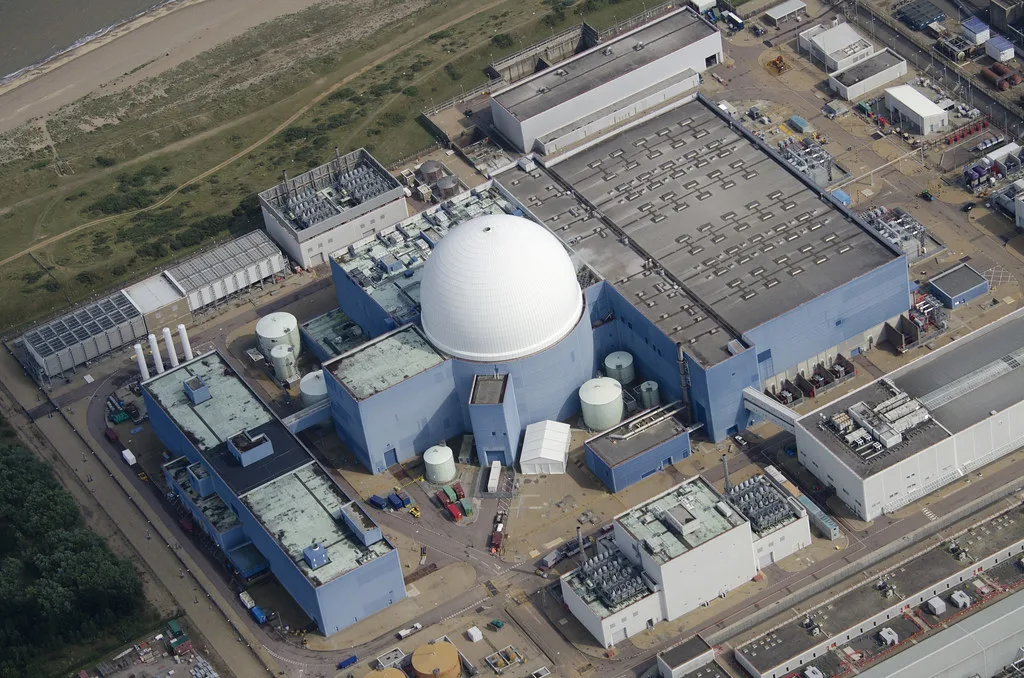
Ukrainian and Russian forces engaged in a significant exchange of aerial strikes on Saturday, including a reported drone impact near a nuclear facility, as President Volodymyr Zelenskyy convened an emergency meeting with his top military and political advisors to determine the country’s strategic response.
The Escalation of Aerial Warfare
The latest wave of hostilities marks a critical shift in the ongoing conflict, with both nations intensifying their use of long-range drone technology to target sensitive infrastructure. Reports indicate that a drone impacted the perimeter of a nuclear facility, raising immediate concerns regarding the safety of atomic energy sites in an active war zone.
While both sides continue to trade blame for the escalation, the incident underscores the growing volatility of the front lines. Military analysts suggest that the deployment of unmanned aerial vehicles (UAVs) has become a primary tool for both Kyiv and Moscow to disrupt logistical chains and exert psychological pressure.
Contextualizing the Nuclear Risk
International observers and the International Atomic Energy Agency (IAEA) have repeatedly warned that the proximity of military operations to nuclear power plants poses an unacceptable risk of a radiological disaster. The Zaporizhzhia plant, in particular, has been the site of multiple skirmishes since the onset of the invasion, with both sides accusing the other of reckless behavior.
This latest incident follows a pattern of heightened cross-border strikes. Russia has frequently utilized Iranian-made Shahed drones to target Ukrainian energy infrastructure, while Ukraine has increasingly leveraged domestic and western-supplied drone technology to strike deep inside Russian territory, targeting oil refineries and airbases.
Strategic Implications for the Front Lines
The meeting held by President Zelenskyy signals that the Ukrainian government is currently recalibrating its defense posture in light of these new developments. Officials remain tight-lipped about specific tactical shifts, but the focus remains on enhancing domestic air defense capabilities to shield critical sites from further incursions.
Data from independent military trackers suggests that the frequency of drone strikes has surged by nearly 40% over the last quarter. This increase illustrates the transition toward a war of attrition where technological superiority in the skies is seen as the decisive factor for future territorial gains.
Industry and Global Security Outlook
For the energy sector, the instability surrounding nuclear facilities remains a primary concern for regional security. Energy experts argue that any damage to the cooling systems or containment structures of these plants could have catastrophic consequences that transcend national borders.
Looking ahead, the international community will be closely watching for any signs of a de-escalation in aerial operations. Analysts are monitoring the potential for further sanctions against drone suppliers and the expansion of air defense supply chains to Ukraine. The immediate future hinges on whether diplomatic channels can establish a demilitarized zone around nuclear sites, or if the current trend of targeting critical infrastructure will continue to dictate the rhythm of the conflict.