





The Financial Impact of Currency Fluctuations
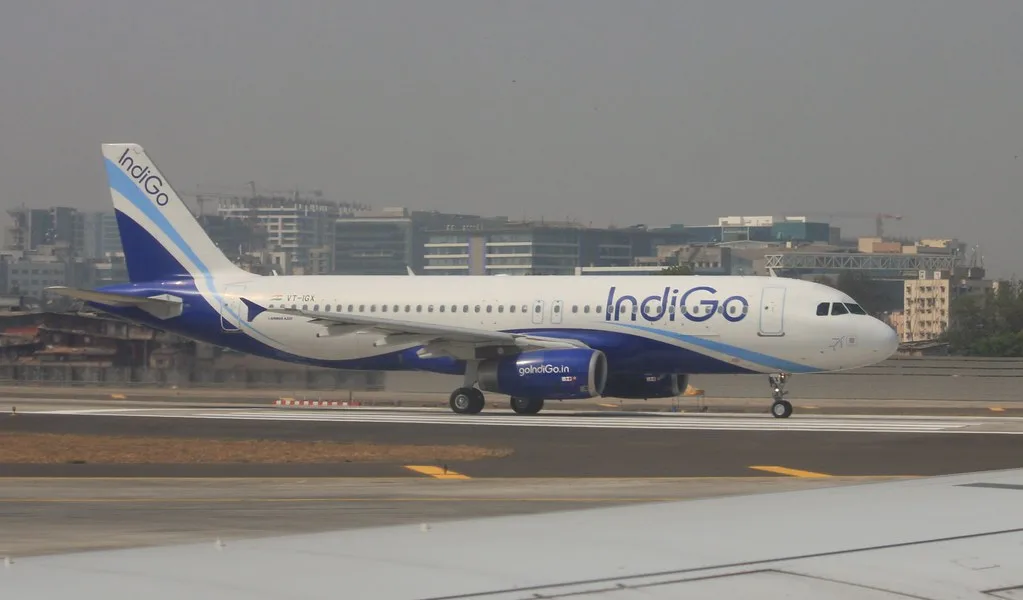
InterGlobe Aviation, the parent company of India’s largest airline, IndiGo, reported a significant net loss of Rs 2,537 crore for the fourth quarter of the fiscal year, a sharp reversal from the Rs 3,067 crore profit recorded during the same period last year. The loss, announced in the company’s latest financial disclosures, highlights the vulnerability of the aviation sector to the rapid depreciation of the Indian Rupee and escalating geopolitical tensions in West Asia. Despite an underlying profit of Rs 7,500 crore for the fiscal year, the currency rout and rising operational costs have effectively eroded the airline’s bottom line.
Contextualizing the Operational Environment
The aviation industry operates on razor-thin margins, where fuel and aircraft leasing costs are predominantly denominated in US dollars. When the Indian Rupee weakens against the dollar, the cost of importing aviation turbine fuel and servicing lease obligations balloons instantaneously. This structural vulnerability is exacerbated by the airline’s massive expansion plans and fleet modernization efforts, which require significant capital expenditure in foreign currency.
Analyzing the Drivers of Loss
Beyond currency headwinds, the conflict in West Asia has introduced volatility into global oil markets, leading to unpredictable spikes in fuel prices. As fuel typically accounts for 35% to 40% of an airline’s total operating expenses, these fluctuations pose a direct threat to profitability. Analysts at major financial institutions have noted that while demand for domestic air travel remains robust, the inability to fully pass these increased costs onto price-sensitive consumers has squeezed margins.
Furthermore, the airline is grappling with the secondary effects of the regional conflict, which has disrupted flight paths and necessitated longer, more fuel-intensive routes. The combination of increased flight times and higher fuel burn has created a ‘perfect storm’ of rising costs that even high passenger load factors cannot fully offset. Industry experts suggest that IndiGo’s decision to consider fuel hedging, as reported in recent investor briefings, signals a shift in strategy intended to mitigate these price shocks in the coming fiscal quarters.
Broader Industry Implications
For the Indian aviation sector, these results serve as a cautionary tale regarding the reliance on foreign-denominated debt and operational costs. Investors are now watching to see how carriers will recalibrate their balance sheets to insulate themselves from future currency volatility. The shift toward fuel hedging represents a departure from the airline’s traditionally conservative approach, indicating that management is preparing for a longer period of macroeconomic uncertainty.
Looking ahead, stakeholders should monitor the airline’s capacity expansion plans and whether the company will implement dynamic pricing adjustments to recover margins. As geopolitical tensions remain fluid, the ability of IndiGo to manage its foreign exchange exposure will be the primary metric for evaluating its financial resilience in the next fiscal year.