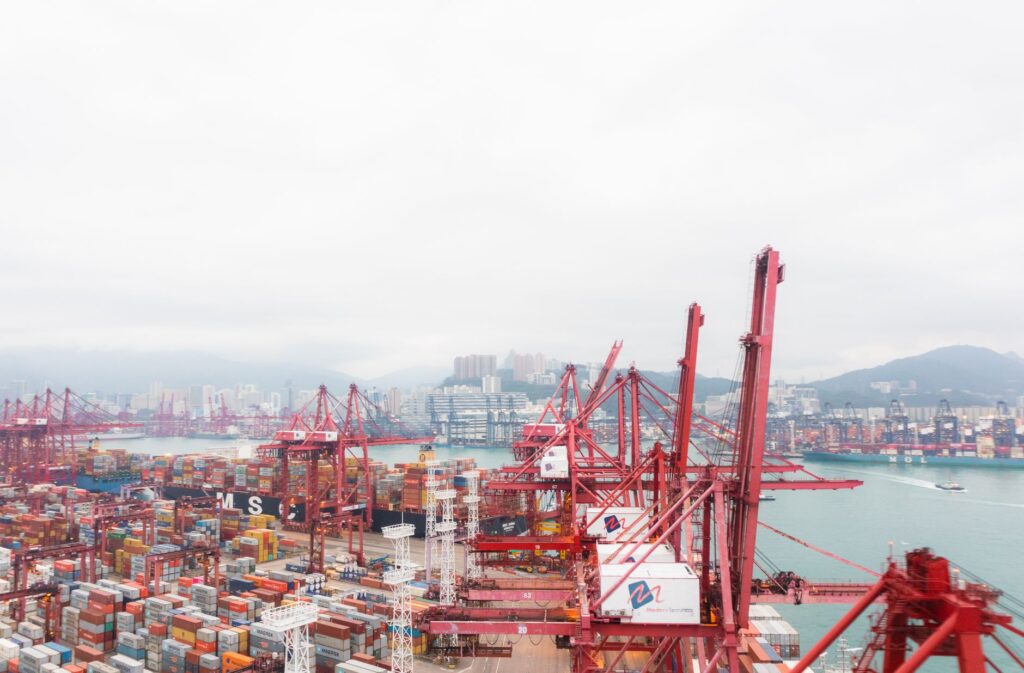

Chinese exporters delivered a surprisingly robust performance in June, with outbound shipments growing by 8.6% year-on-year to reach $307.8 billion. The trade data, released by the General Administration of Customs in Beijing, comfortably beat the 8% growth forecast by international analysts. This unexpected export surge provides a critical lifeline to the world’s second-largest economy as it continues to grapple with a persistent property crisis and sluggish domestic retail sales.
A Surprising Surge Amid Domestic Headwinds
For over a year, policymakers in Beijing have sought to stabilize the post-pandemic economic recovery. While industrial production has remained robust, domestic consumption has faltered under the weight of a multi-year real estate downturn. High youth unemployment and falling property values have prompted Chinese consumers to tighten their belts, leading to deflationary pressures across the country. Consequently, the government has increasingly relied on manufacturing and foreign trade to sustain its annual economic growth target of around 5%.
The June figures indicate that global demand for Chinese-manufactured goods remains resilient despite growing geopolitical tensions. The 8.6% export growth represents an acceleration from the 7.6% increase recorded in May, marking the fastest pace of expansion since March 2023. This export resilience has offset some of the domestic economic pain, keeping factories humming and supporting employment in manufacturing hubs across the southern and eastern provinces.
Divergent Paths: Export Strength vs. Import Weakness
However, the trade data also highlights a stark and worrying divergence within the Chinese economy. While exports flourished, imports unexpectedly contracted by 2.3% in June compared to the previous year. This decline missed market expectations of a 2.8% increase and marked a sharp reversal from the 1.8% growth seen in May. The drop in imports underscores the profound lack of appetite among domestic consumers and businesses for foreign goods and raw materials.
Analysts point out that this growing imbalance threatens the long-term sustainability of China’s economic recovery. When a nation exports heavily while importing very little, it creates massive trade surpluses that can exacerbate tensions with global trading partners. In June, China’s trade surplus reached a record high of $99.05 billion, up from $82.62 billion in May, a figure that is bound to draw scrutiny from Washington and Brussels.
Rising Geopolitical Friction and Tariff Barriers
The flood of competitive Chinese goods into global markets has already triggered a wave of protectionist responses from Western economies. The United States recently announced plans to steepen tariffs on Chinese electric vehicles (EVs), semiconductors, lithium-ion batteries, and medical products. US officials argue that state subsidies have allowed Chinese firms to overproduce, flooding global markets with artificially cheap goods and threatening domestic industries.
Similarly, the European Union has introduced provisional countervailing duties of up to 37.6% on Chinese-made electric vehicles following an anti-subsidy investigation. Despite these impending barriers, Chinese manufacturers appear to have front-loaded shipments in June to beat the implementation of new tariffs. This tactical shipping rush likely contributed to the elevated export figures for the month, but it suggests a potential slowdown in the third and fourth quarters.
Expert Perspectives on the Trade Outlook
“The economy is running on two very different tracks,” said Zhiwei Zhang, chief economist at Pinpoint Asset Management. Zhang noted that while the strong export performance reflects robust competitiveness in global markets, the weak import figures show that domestic demand remains a significant drag. He warned that relying solely on exports to drive growth is risky, particularly as trade barriers rise globally.
Economists at Capital Economics also expressed caution regarding the longevity of the export boom. In a note to clients, they suggested that the current strength in shipments is partially driven by exchange rate advantages, as the Chinese yuan has weakened against the US dollar. They warned that if the global economy slows down later this year, or if tariff enforcement tightens, China’s export engine could quickly lose steam.
What to Watch Next
Looking ahead, the sustainability of China’s export-led strategy faces severe headwinds. As new tariffs in the United States and the European Union take full effect later this autumn, Chinese manufacturers may struggle to find alternative markets to absorb their excess capacity. Shipments to developing nations in Southeast Asia, Latin America, and Africa have risen, but these markets may not fully offset a decline in Western demand.
Investors and analysts are now turning their attention to the upcoming Third Plenum, a highly anticipated meeting of the Communist Party’s central committee scheduled for mid-July. This key policy meeting historically sets the long-term economic direction for the country. Observers will watch closely to see if Beijing introduces structural reforms to boost household consumption, or if it will continue to double down on industrial manufacturing and export-led growth to meet its economic targets.