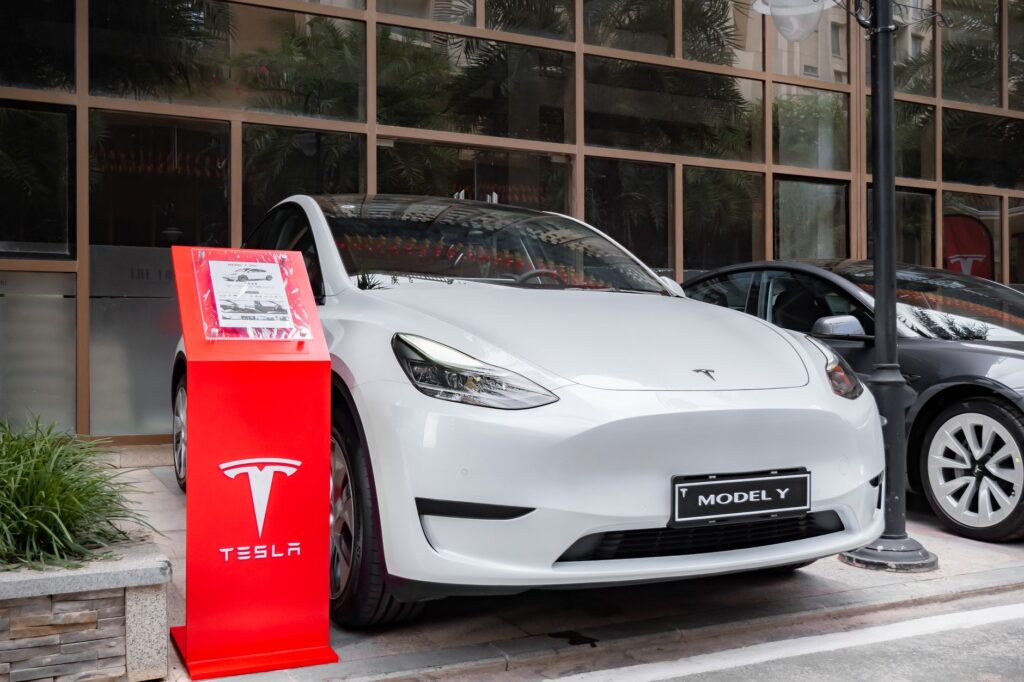

Tesla Inc. delivered a record 480,126 vehicles globally in the second quarter, beating Wall Street expectations of 402,776 units and reviving hopes for full-year growth. The Austin, Texas-based electric vehicle giant outpaced its quarterly production of 451,758 vehicles by roughly 28,000 units, successfully drawing down inventory built up earlier in the year. This performance provides a crucial financial cushion for CEO Elon Musk as he pivots the company’s focus toward high-stakes investments in autonomous driving and artificial intelligence.
Context of Tesla’s Global Market Strategy
The strong second-quarter performance follows a challenging period of slowing global EV demand and rising competition. Prior to this report, analysts had braced for a third consecutive annual decline in deliveries, prompting concerns over Teslau2019s premium valuation. To counter the slowdown, Tesla introduced lower-cost variants of its Model 3 and Model Y vehicles alongside aggressive financing incentives.
European Rebound Drives Growth
A sharp recovery in European markets emerged as the primary catalyst for the quarterly beat. Rising fuel costs, favorable government incentives, and rapid corporate fleet electrification drove buyers back to Tesla. Additionally, analysts noted a decline in consumer pushback regarding CEO Elon Musku2019s public political stances, which had previously threatened brand loyalty in several European nations.
“I think the huge growth in Europe is the key driver for Tesla right now,” said Seth Goldstein, senior equity analyst at Morningstar. Goldstein noted that the strong European performance makes a full-year decline highly unlikely, reversing his previous expectations of a downward trend.
Divergent Trends in the U.S. and China
While Europe flourished, Tesla faced contrasting dynamics in its other major markets. In the United States, demand remained under pressure following the elimination of federal EV tax credits late last year. Dmitriy Pozdnyakov, senior analyst at Freedom Broker, estimated that Teslau2019s U.S. sales likely fell by at least 10% during the quarter.
Conversely, China showed modest growth despite fierce competition from domestic automakers like BYD. The rollout of a refreshed Model Y compact SUV helped Tesla maintain its footing in the world’s largest EV market.
“Their pricing and their products are helping the buyers overcome any issues they might have with Elon Musk personally,” observed Sam Fiorani, vice president at AutoForecast Solutions, pointing to the success of Tesla’s promotional financing offers.
Market Reaction and Financial Outlook
Despite the delivery beat, Tesla’s stock closed down more than 7% on Thursday following the announcement. Investors and analysts attributed the sell-off to profit-taking, noting that the stock had already rallied 12% earlier in the week in anticipation of positive news. The strong delivery figures will be put to the test when Tesla reports its full second-quarter financial results on July 22.
Future Outlook and Strategic Pivots
The second-quarter delivery surge demonstrates that price adjustments and targeted incentives can still stimulate robust demand for electric vehicles. However, the long-term sustainability of this strategy remains a key question as legacy automakers and Chinese rivals expand their own EV lineups. Looking ahead, market observers will focus on whether Tesla can sustain its European momentum and stabilize its U.S. sales. Furthermore, the financial runway provided by these deliveries will directly fund Musk’s ambitious timeline for autonomous robotaxis and next-generation AI infrastructure, which are increasingly central to Teslau2019s long-term valuation.