

Strategic Push for Mineral Independence
The national government has issued an urgent directive to mining agencies this week, mandating the immediate acceleration of exploration and auction processes for critical minerals. This initiative targets the domestic supply of lithium, cobalt, nickel, and rare earth elements, which serve as the essential building blocks for electric vehicle (EV) batteries, solar panels, and high-capacity energy storage systems.
By fast-tracking the bureaucratic timeline for mining permits and land auctions, officials aim to reduce reliance on foreign imports and insulate the national clean energy transition from volatile global supply chains. The directive, announced in the capital on Tuesday, marks a pivotal shift in industrial policy as global demand for green technology components continues to outpace current mining output.
The Context of Global Scarcity
The global race for critical minerals has intensified as major economies commit to net-zero carbon emissions by 2050. According to the International Energy Agency (IEA), demand for minerals like lithium and cobalt is expected to increase sixfold by 2040 to meet climate goals.
Currently, the processing and extraction of these minerals are heavily concentrated in a handful of countries, creating significant geopolitical vulnerabilities. Domestic policymakers are responding to these risks by incentivizing local exploration to ensure that manufacturers of renewable energy infrastructure have reliable, long-term access to the raw materials required for production.
Multi-Faceted Mining Strategy
The government’s plan focuses on three primary pillars: legislative reform, geological mapping, and private sector participation. Agencies have been instructed to streamline environmental impact assessments while maintaining strict regulatory standards to ensure sustainable extraction practices.
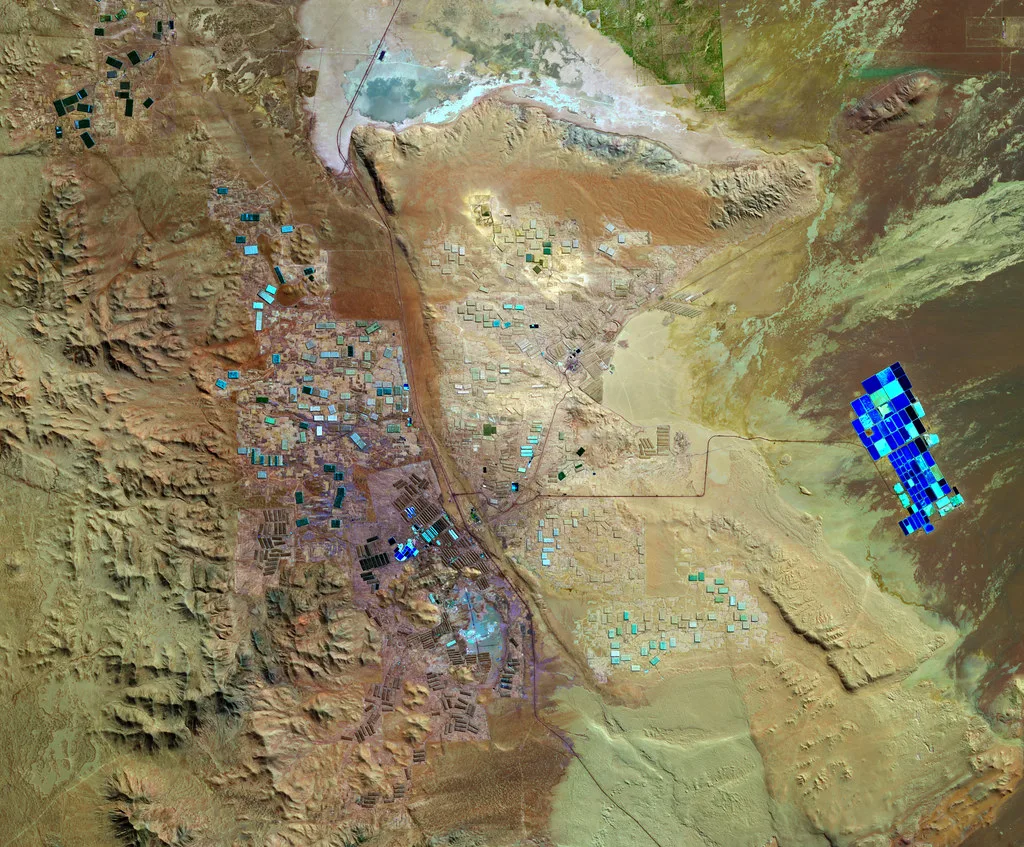
Enhanced geological surveying will utilize satellite imagery and advanced seismic data to identify high-yield deposits that were previously overlooked. Furthermore, the auction process for mining leases will be digitized to increase transparency and attract international investment, aiming to integrate local projects into the global supply network more efficiently.
Expert Perspectives and Economic Data
Industry analysts suggest that the initiative addresses a fundamental bottleneck in the energy transition. Data from the World Bank indicates that production of minerals such as graphite and lithium must increase by nearly 500% by 2050 to meet the projected demand for clean energy technologies.
“The bottleneck is no longer just technology; it is the physical availability of the materials needed to construct the energy grid of the future,” said Dr. Helena Vance, a senior analyst at the Global Mining Institute. “Accelerating the auction cycle is a necessary step, provided it is balanced with robust environmental oversight to maintain social license to operate.”
Implications for the Clean Energy Sector
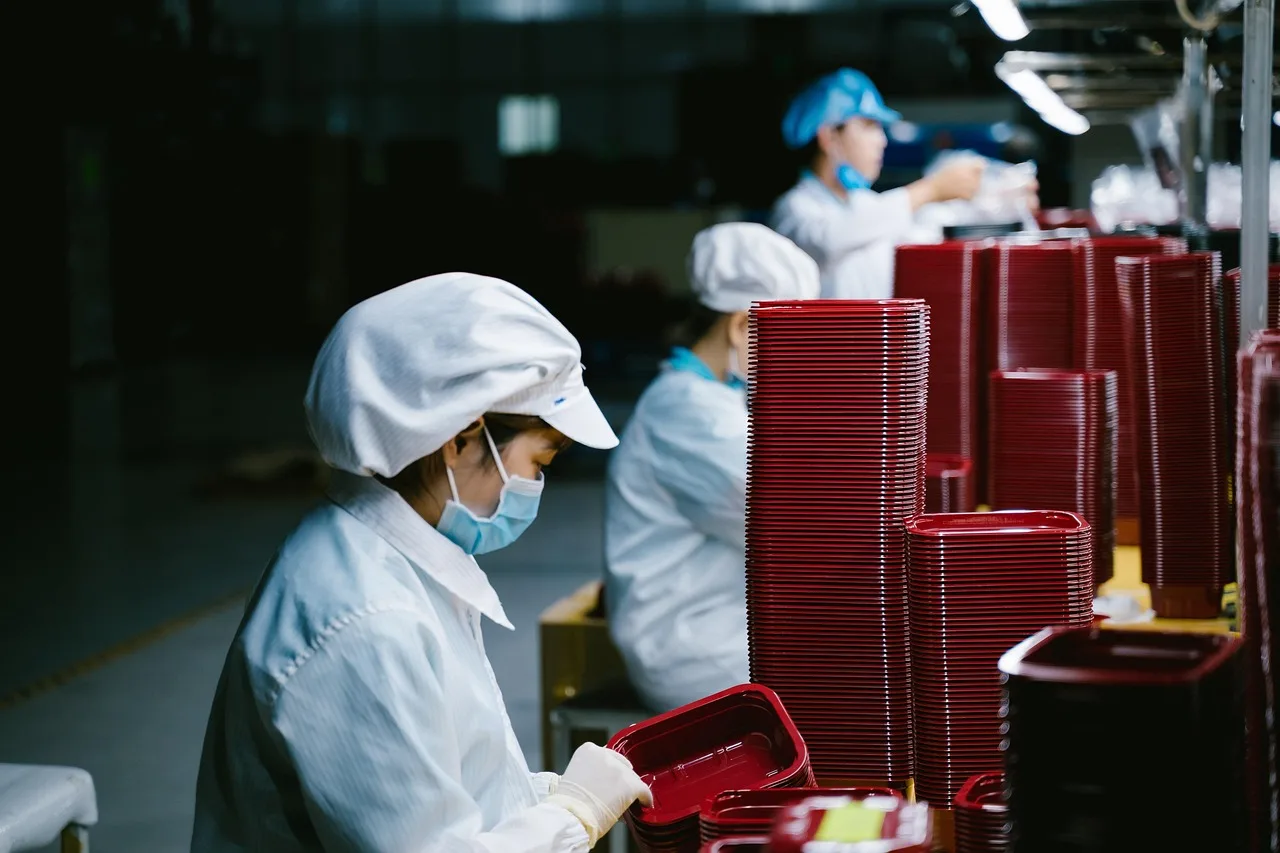
For manufacturers and energy firms, this policy shift suggests a significant reduction in the lead time for material procurement. Companies that have struggled with inventory shortages may soon find more stable, domestically sourced alternatives, potentially lowering the cost of production for EV batteries and solar modules.
However, the rapid expansion of mining activities poses challenges regarding land use and environmental impact. The government’s ability to balance industrial speed with community interests will be the primary test of this new directive in the coming fiscal year.
What to Watch Next
Observers should monitor the upcoming schedule of mineral lease auctions, which is expected to be released next month. Additionally, look for new legislative proposals regarding tax incentives for mining companies that invest in low-impact extraction technologies and domestic mineral processing facilities, as these will signal the long-term commitment to a self-sustaining domestic supply chain.