


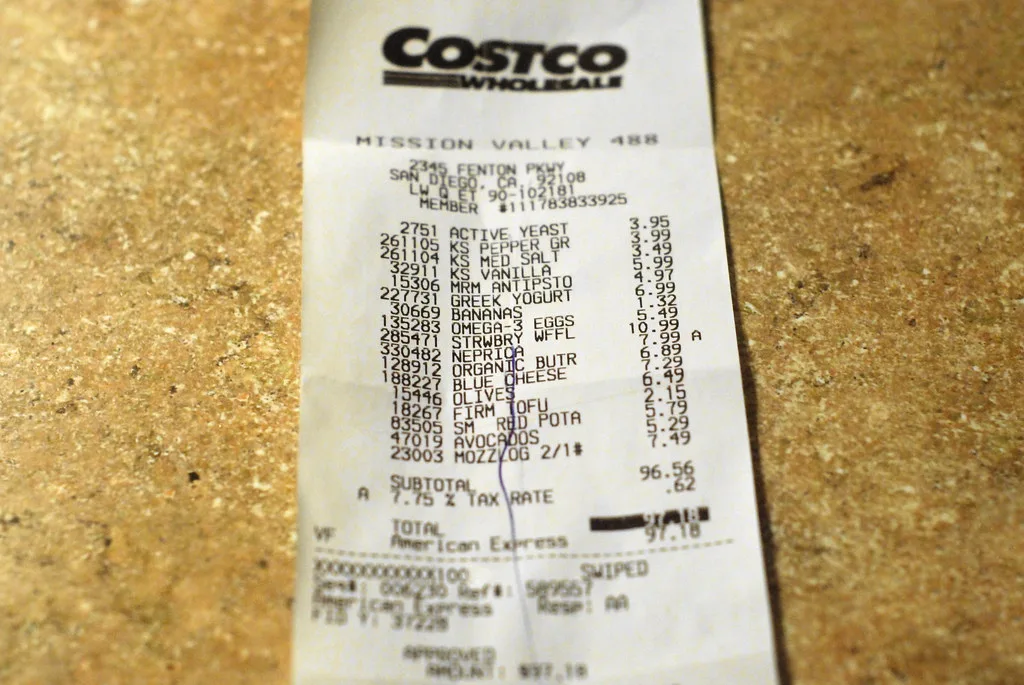
The Current Economic Landscape
Consumer prices in the United States surged to a three-year high this month, driven primarily by the escalating costs of fuel and food that are placing significant pressure on household budgets nationwide. The Department of Labor reported that the Consumer Price Index (CPI) climbed at a rate not seen since early 2021, signaling a persistent challenge for the Federal Reserve as it attempts to stabilize the economy. This inflationary trend, felt most acutely at gas pumps and grocery checkout counters, reflects a complex interplay of global supply chain constraints and robust consumer demand.
Contextualizing the Price Surge
For the past several years, the U.S. economy has navigated the aftermath of pandemic-era disruptions, which created a volatile environment for global logistics and commodity pricing. While inflation had shown signs of cooling in mid-2023, the current spike underscores the fragility of the recovery process. Energy markets, sensitive to geopolitical instability, have seen crude oil prices fluctuate, directly impacting the cost of transportation and distribution for everyday goods.
Detailed Drivers of Inflation
Food prices have emerged as a primary contributor to the rising CPI, with staple items such as dairy, grains, and meat seeing consistent month-over-month price hikes. Agricultural experts attribute these increases to a combination of adverse weather patterns affecting crop yields and higher input costs for farmers, including fertilizer and fuel. These production costs are inevitably passed down to the consumer, widening the gap between stagnant wage growth and the rising cost of living.
Simultaneously, the energy sector is experiencing a period of renewed volatility. The cost of gasoline remains a significant burden for the average American household, consuming a larger share of disposable income and limiting spending power in other sectors of the economy. Retailers are also reporting that they are struggling to absorb these elevated wholesale costs, leading to broader price adjustments across non-essential consumer goods.
Expert Perspectives
Financial analysts suggest that this inflationary pressure is likely to force the Federal Reserve to maintain high-interest rates for an extended period. According to data from the Bureau of Labor Statistics, the core inflation rate, which excludes volatile food and energy prices, also remains stubbornly elevated. Economists argue that until supply chains fully normalize and consumer demand recalibrates to current price levels, the path toward the target 2% inflation goal will remain precarious.
Future Implications and Outlook
As the economy moves forward, the primary focus will remain on how high-frequency data points, such as monthly payroll reports and consumer sentiment surveys, react to these price pressures. If households continue to pull back on discretionary spending in response to higher costs, the economy could face a significant cooling effect in the retail and service sectors. Market observers are closely monitoring the upcoming Federal Open Market Committee meetings, where officials will weigh the necessity of aggressive monetary tightening against the risk of triggering a broader economic slowdown. The coming quarter will be critical in determining whether this inflation peak is a temporary anomaly or the beginning of a more prolonged period of economic contraction.