




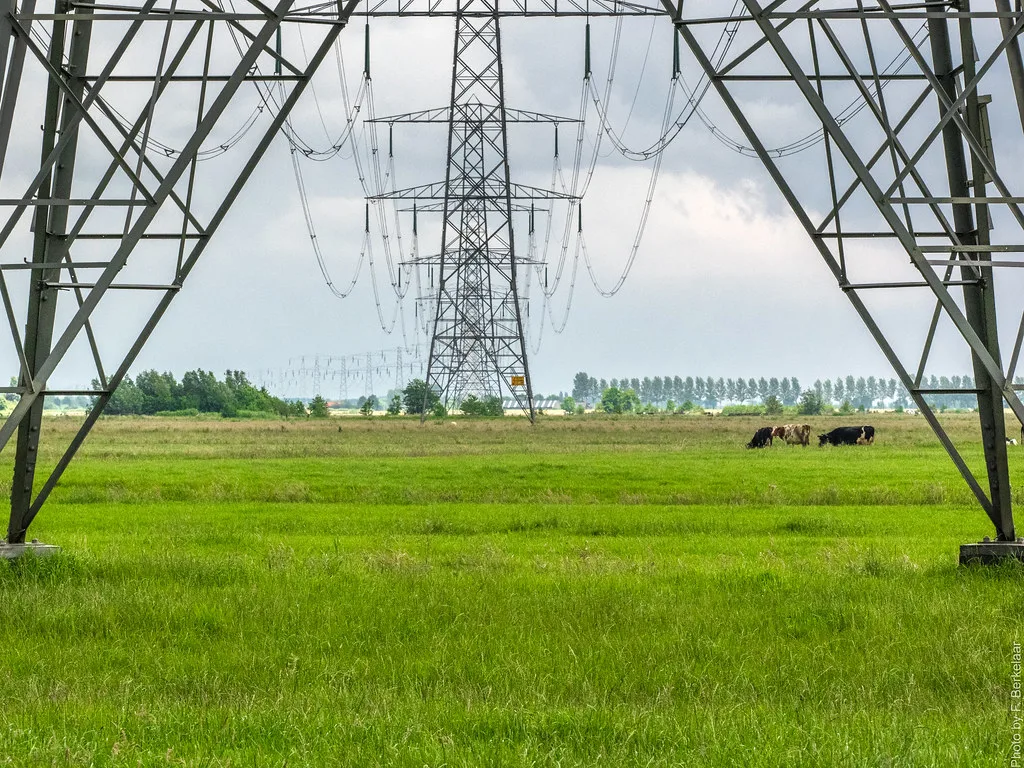
Expanding National Energy Infrastructure
HG Infra Engineering Limited announced this week that it has secured a significant contract to develop an interstate power transmission project in Jharkhand, marking a strategic expansion of the company’s footprint in India’s energy sector. The project, awarded under a 35-year concession period, involves the design, construction, and operation of a critical transmission network designed to bridge energy connectivity between western and eastern regions of the country.
This initiative falls under the government’s broader push to modernize the national grid and improve power distribution reliability. By securing this long-term project, HG Infra transitions further into the specialized utility infrastructure space, diversifying its portfolio beyond traditional road construction and civil engineering projects.
Contextualizing the National Power Grid
India is currently undergoing a massive structural transformation in its power sector as it attempts to integrate increasing amounts of renewable energy. The national grid requires significant upgrades to handle the variable nature of solar and wind power, necessitating robust interstate transmission systems (ISTS). These systems are essential for transporting surplus electricity from resource-rich states to high-demand industrial hubs.
The Jharkhand project is part of a series of competitive bidding processes managed by central transmission agencies. These projects are typically executed under a Build-Own-Operate-Transfer (BOOT) model, which ensures that private developers maintain accountability for the infrastructure over several decades. This model has become a preferred mechanism for the government to attract private capital into public utility sectors.
Operational Scope and Strategic Growth
The contract requires HG Infra to establish a Special Purpose Vehicle (SPV) to oversee the construction and maintenance of the transmission lines. While the company has historically been known for its expertise in the highways sector, this shift toward power transmission indicates a strategic move to hedge against cyclical trends in infrastructure spending.
In addition to the Jharkhand win, the company has successfully qualified for another major power project in Uttar Pradesh. This dual advancement suggests that HG Infra is aggressively building a presence in the utility segment, leveraging its existing engineering capabilities to meet stringent technical requirements for high-voltage transmission networks. According to recent market filings, the company aims to capitalize on the surge in capital expenditure by the Power Grid Corporation of India and various state utilities.
Industry Implications and Financial Outlook
Industry analysts note that the 35-year concession period provides long-term revenue visibility, which is highly favorable for infrastructure firms. This stability helps mitigate the risks associated with shorter-term, volatile construction contracts. Furthermore, as India targets net-zero emissions by 2070, the demand for transmission infrastructure is projected to grow exponentially, providing a steady pipeline of work for qualified players.
The entry of established civil engineering firms into the power sector creates a more competitive bidding environment. This competition often leads to increased technical efficiency and cost optimization across large-scale projects. Investors and stakeholders will now look to see how HG Infra manages the capital intensity required for this long-term asset, as the project necessitates significant upfront investment before operational revenues begin to accrue.
Future Developments to Watch
Observers should monitor the progress of the newly formed SPV as it moves toward the financial closure phase of the Jharkhand project. Additionally, the outcome of the Uttar Pradesh bidding process will be a key indicator of the company’s ability to scale its utility division rapidly. As the government continues to auction transmission packages to meet rising peak power demand, the ability of HG Infra to execute these projects on schedule will determine its long-term viability as a major player in the Indian energy infrastructure landscape.