



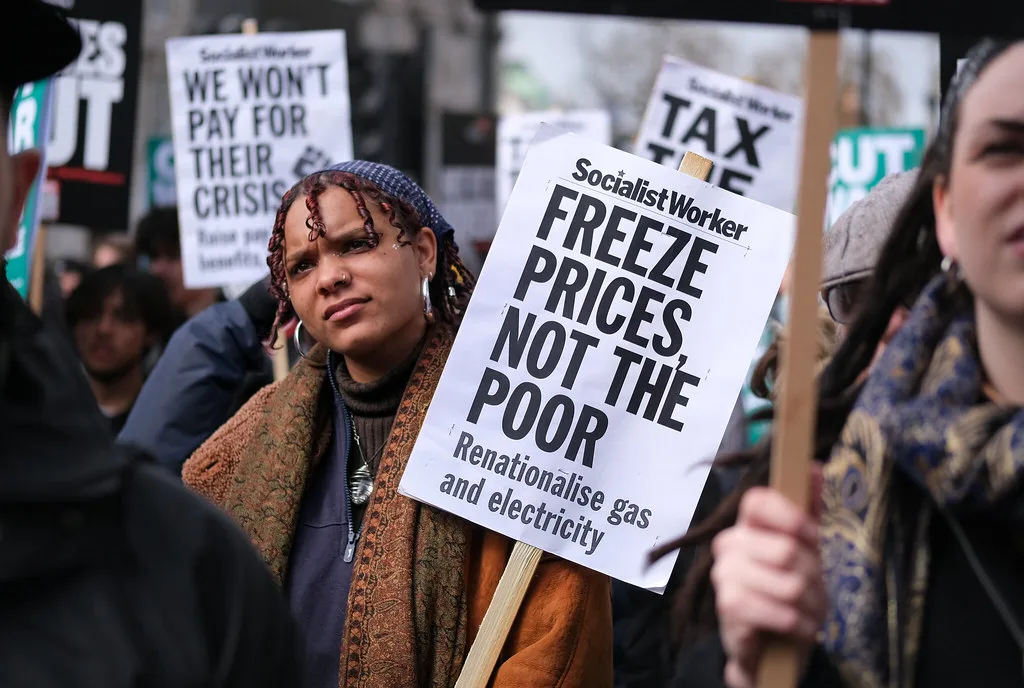
Rising Costs for British Households
British households face a significant increase in utility costs this July as the energy regulator, Ofgem, announced a 13% hike in the energy price cap, pushing the average annual bill to £1,862. The adjustment, driven by surging wholesale gas prices linked to escalating geopolitical tensions in the Middle East, places immediate financial strain on millions of residents and increases political pressure on Prime Minister Keir Starmer’s administration.
The Mechanics of the Price Cap
The energy price cap is a mechanism introduced by the UK government to limit the amount suppliers can charge for each unit of energy. While it was designed to protect consumers from extreme price volatility, it is reviewed periodically by Ofgem to reflect the actual cost of purchasing energy on the global wholesale market.
This latest increase marks a reversal in the downward trend observed earlier in the year. Analysts note that while the UK has diversified its energy imports, the interconnected nature of global commodity markets means that conflicts in gas-producing regions inevitably trigger price spikes at the domestic level.
Market Volatility and Global Influence
Market analysts attribute the price surge directly to the instability in the Middle East, which has disrupted supply chains and heightened uncertainty regarding future gas availability. Wholesale gas prices often react instantaneously to news of regional conflict, creating a ripple effect that hits the UK energy grid within weeks.
“The energy market remains hypersensitive to geopolitical developments,” noted Sarah Thompson, a senior energy analyst at UtilityWatch. “Even with increased renewable generation, the dependency on natural gas for heating and electricity peaking means that global volatility remains the primary driver of domestic bill hikes.”
Economic and Political Implications
For the average household, this 13% increase represents a substantial portion of disposable income. Anti-poverty campaigners warn that the rise could push thousands of low-income families back into fuel poverty, necessitating urgent discussions regarding government support packages or targeted subsidies.
For Prime Minister Keir Starmer, the timing of the price hike presents a major policy challenge. The government is now under intense pressure to balance fiscal responsibility with the need to protect vulnerable citizens from the rising cost of living. Political observers suggest that energy policy will likely dominate the legislative agenda for the remainder of the summer.
Future Outlook and Industry Response
Looking ahead, energy suppliers are bracing for increased customer service demand and a likely rise in debt arrears as the July deadline approaches. Industry groups are calling for longer-term solutions, such as accelerated investment in domestic wind and solar infrastructure, to decouple the UK from volatile international gas prices.
Observers should monitor the upcoming government budget announcements for potential relief measures. Furthermore, market volatility in the Middle East will continue to serve as a leading indicator for the next quarterly price cap review in October, as consumers brace for potential further adjustments.