




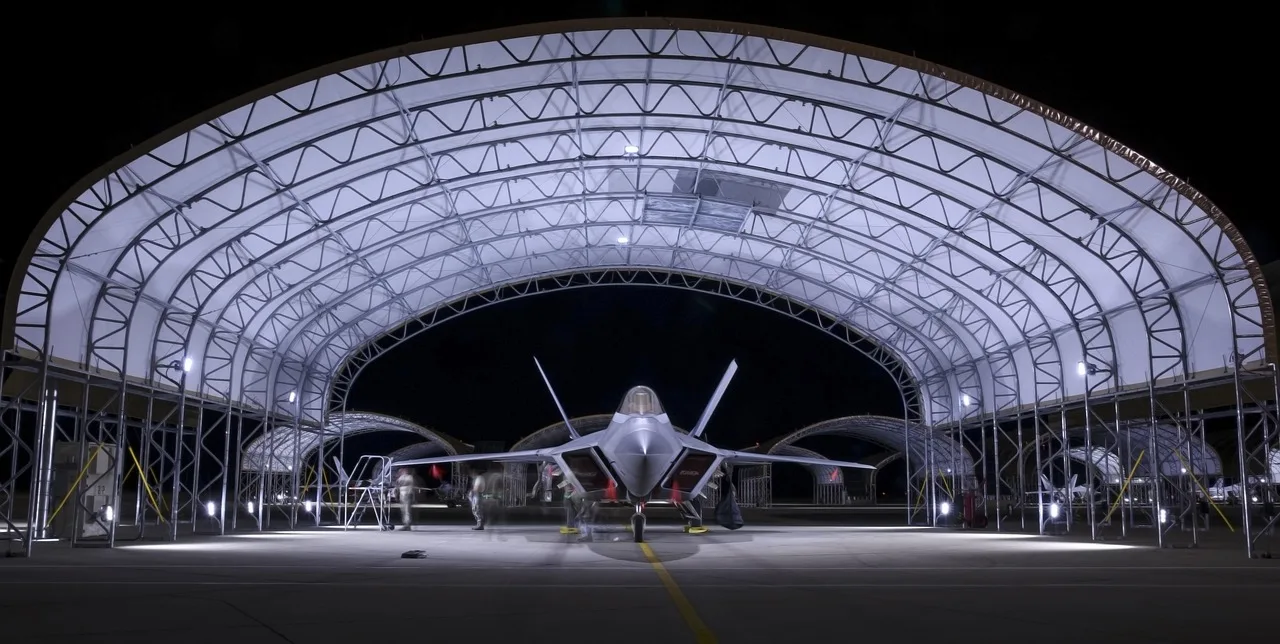
Strategic Progress in Fifth-Generation Aviation
The Indian Ministry of Defence (MoD) has officially issued Requests for Proposals (RFPs) to three selected bidders, marking a critical milestone in the development of the indigenous Advanced Medium Combat Aircraft (AMCA). This move, initiated this month in New Delhi, sets the stage for the selection of a production partner tasked with manufacturing five prototypes of the fifth-generation stealth fighter, aiming to bolster India’s domestic aerospace manufacturing capabilities.
The Evolution of the AMCA Project
The AMCA program represents India’s most ambitious military aviation project to date, designed to provide the Indian Air Force with a sophisticated platform capable of advanced stealth, super-cruise capabilities, and integrated sensors. The project has transitioned from the design and feasibility phase, managed by the Aeronautical Development Agency (ADA) and Defence Research and Development Organisation (DRDO), into the industrialization phase.
Historically, India has relied on foreign-made fighters, but the AMCA is intended to shift this paradigm by fostering a domestic ecosystem. The government has prioritized the “Make in India” initiative, ensuring that the production of these high-tech systems remains within national borders to reduce strategic reliance on external suppliers.
Industrial Consortiums and Production Requirements
The RFP mandates that the winning bidder form a robust consortium capable of managing the complex supply chain inherent in stealth aircraft manufacturing. Each of the three bidders must demonstrate technical proficiency in composite materials, advanced avionics, and low-observable technology, which are essential for fifth-generation combat performance.
Industry analysts note that the production of five prototypes serves as a rigorous testing ground for the selected partner. According to defense procurement guidelines, the chosen consortium will be responsible for integrating indigenous systems while maintaining strict adherence to the prototype flight-test timeline, which is expected to span the next several years.
Expert Perspectives and Technical Hurdles
Defense experts emphasize that the challenge lies not just in the airframe design, but in the systems integration. “The move to involve private industry at this stage is a prudent step to ensure that the manufacturing capacity meets the high-precision requirements of a stealth fighter,” stated a senior aerospace analyst familiar with the project.
Data from the DRDO indicates that the AMCA will incorporate advanced stealth features, including internal weapon bays and a serpentine air intake to minimize radar cross-section. The integration of a powerful, indigenous engine—currently under development in collaboration with international partners—remains a focal point for the success of the platform.
Implications for the Defense Sector
For the Indian defense industry, the selection of an AMCA production partner signifies a shift toward large-scale, high-value manufacturing. This process is expected to create a ripple effect, encouraging tier-two and tier-three suppliers to upgrade their facilities to meet aerospace-grade quality standards.
The successful production of these prototypes will likely dictate the timeline for the eventual serial production of the AMCA fleet. Stakeholders are now watching for the evaluation criteria the MoD will utilize to rank the bids, particularly how the ministry balances cost-efficiency with the requirement for rapid technological delivery.
Looking ahead, the industry will focus on the announcement of the winning consortium, which is expected to catalyze further investment in Indian aerospace infrastructure. Observers will also track the progress of the prototype assembly and the subsequent integration of mission computers, which will serve as the “brain” of the fifth-generation aircraft.