



Chief Economic Advisor (CEA) V Anantha Nageswaran stated this week in New Delhi that while potential U.S. tariff hikes under a second Trump administration could create short-term headwinds for India’s export sector, the long-term impact on the nation’s economy will likely remain marginal and transitory. This assessment comes as global markets brace for a shift in U.S. trade policy, with analysts evaluating how India’s manufacturing and trade balance might shift if protectionist measures are enacted.
Contextualizing U.S. Protectionism
The prospect of renewed tariffs reflects a continuation of the ‘America First’ trade doctrine that defined Donald Trump’s first term. These policies historically prioritize domestic production by imposing duties on foreign goods, particularly those from major trading partners.
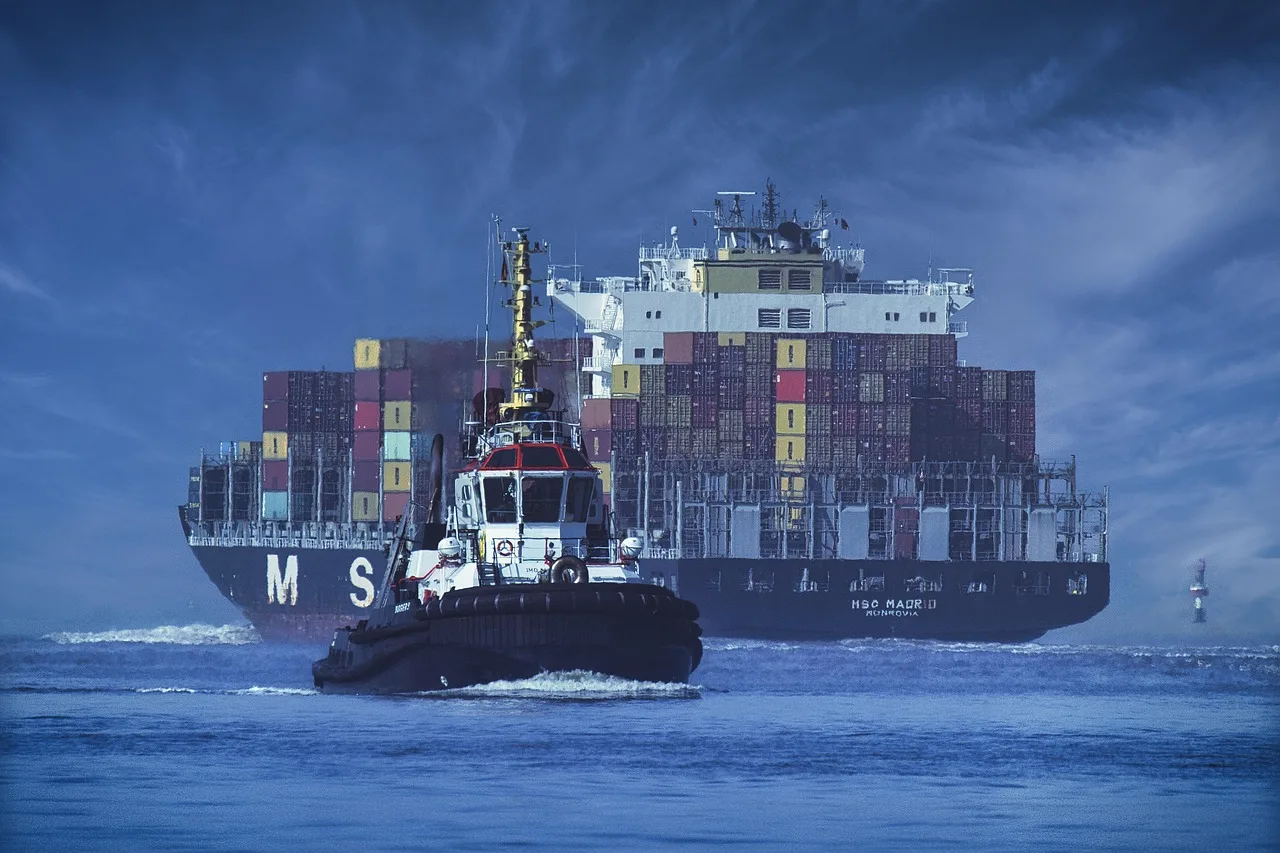
For India, the United States remains its largest export destination. Any significant increase in tariffs on Indian goods, such as textiles, pharmaceuticals, or engineering components, would naturally trigger concerns regarding trade volume and cost competitiveness in the immediate aftermath.
Analyzing the Economic Exposure
Nageswaran emphasized that the Indian economy is increasingly driven by domestic consumption rather than an exclusive reliance on exports. This shift toward internal demand provides a critical buffer against external trade shocks, distinguishing India from more export-dependent economies in East Asia.
Data from the Ministry of Commerce indicates that while India’s trade surplus with the U.S. has grown, it remains relatively modest compared to the massive surpluses held by other nations. This lower relative exposure suggests that India may not be the primary target for punitive trade measures.
Furthermore, the diversification of global supply chains—often referred to as ‘China Plus One’—continues to favor India. Even with potential tariff hurdles, many multinational corporations are actively seeking to reduce their reliance on Chinese manufacturing, positioning India as a stable alternative for global production.
Expert Perspectives on Market Resilience
Independent economists note that the impact of tariffs is rarely static. If the U.S. imposes high tariffs, it often leads to inflationary pressure within the American market, which can eventually force a policy recalibration.
Nageswaran pointed out that India’s macroeconomic fundamentals, including robust foreign exchange reserves and a controlled fiscal deficit, offer a strong foundation for weathering temporary volatility. The government continues to focus on structural reforms aimed at improving the ease of doing business, which officials believe will outweigh the friction caused by external tariff barriers.
Future Implications for Global Trade
The primary concern for the coming months is the potential for a global trade slowdown if major economies engage in a tit-for-tat tariff war. For Indian businesses, this necessitates a more agile approach to supply chain management and a renewed focus on emerging markets in Southeast Asia and Africa to hedge against potential U.S. market volatility.
Market participants should watch for upcoming trade negotiations between Washington and New Delhi, as these will likely define the scope of any new duty structures. Additionally, tracking the U.S. Federal Reserve’s interest rate trajectory will be essential, as it will influence the strength of the dollar and, by extension, the cost of Indian imports.