





The Shift in Digital Transactions
India’s digital payment landscape has undergone a seismic shift this year, with the Unified Payments Interface (UPI) cementing its position as the preferred transaction method over traditional debit and credit cards. As millions of consumers transition from plastic cards to smartphone-based instant transfers, financial analysts are evaluating the security, convenience, and fiscal implications of these competing payment technologies.
Contextualizing the Payment Revolution
For decades, debit and credit cards served as the primary infrastructure for non-cash transactions in India. Debit cards provided direct access to bank accounts, while credit cards offered a layer of deferred payment and credit building. However, the introduction of UPI by the National Payments Corporation of India (NPCI) simplified the process by eliminating the need for card terminals and physical card details, allowing for real-time, peer-to-peer, and merchant transactions directly through mobile applications.
Analyzing Security and Convenience
Security remains the primary differentiator for consumers navigating these platforms. Debit and credit cards operate on a network that requires sensitive data, such as card numbers and CVV codes, which can be vulnerable to phishing and data breaches at the merchant level. In contrast, UPI transactions utilize a two-factor authentication process involving a Virtual Payment Address (VPA) and a personal UPI PIN, ensuring that bank account details remain shielded from the merchant.
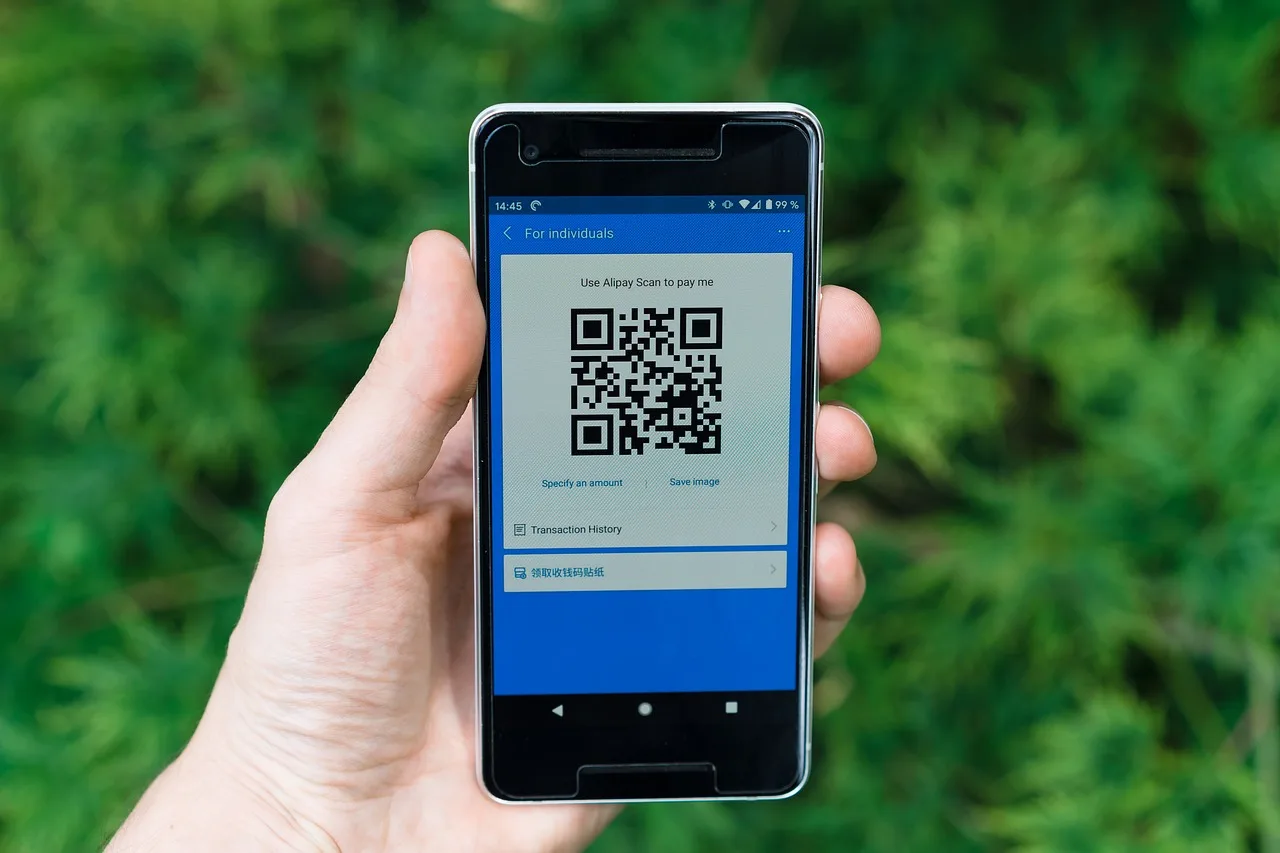
Data from the Reserve Bank of India (RBI) indicates that while card transactions remain stable for high-value purchases, UPI has captured the vast majority of micro-transactions. Financial experts note that the ubiquity of QR codes has reduced the friction of digital payments, making it the standard for everything from street vendors to large retail chains.
Expert Perspectives on Financial Behavior
“While UPI offers unparalleled speed and safety for everyday expenses, credit cards still hold an advantage for high-value purchases,” says financial analyst Rajesh Sharma. “Credit cards provide a buffer, consumer protection policies, and reward programs that UPI currently lacks. The choice between them often comes down to the nature of the transaction rather than just security alone.”
Furthermore, credit cards allow users to dispute fraudulent transactions more easily than UPI, where funds are transferred instantly and are often difficult to reverse. Industry data suggests that users who utilize credit cards for large ticket items benefit from the ‘chargeback’ mechanism, a feature that provides a safety net during disputes with merchants.
Industry Implications
For the average consumer, the trend points toward a hybrid strategy. Financial literacy campaigns are increasingly advising individuals to use UPI for low-risk, daily merchant payments, while reserving credit cards for online shopping and high-value transactions that require consumer protection. For banks, the rise of UPI represents a challenge to traditional interchange fee models, prompting institutions to integrate more value-added services into their mobile apps to retain customer engagement.
Looking ahead, the integration of credit lines onto the UPI network is the next major milestone to watch. As the lines between instant bank transfers and credit-based payments blur, the industry will likely see a surge in ‘Buy Now, Pay Later’ (BNPL) features embedded directly into mobile payment apps, potentially altering how Indian households manage short-term debt and liquidity.