





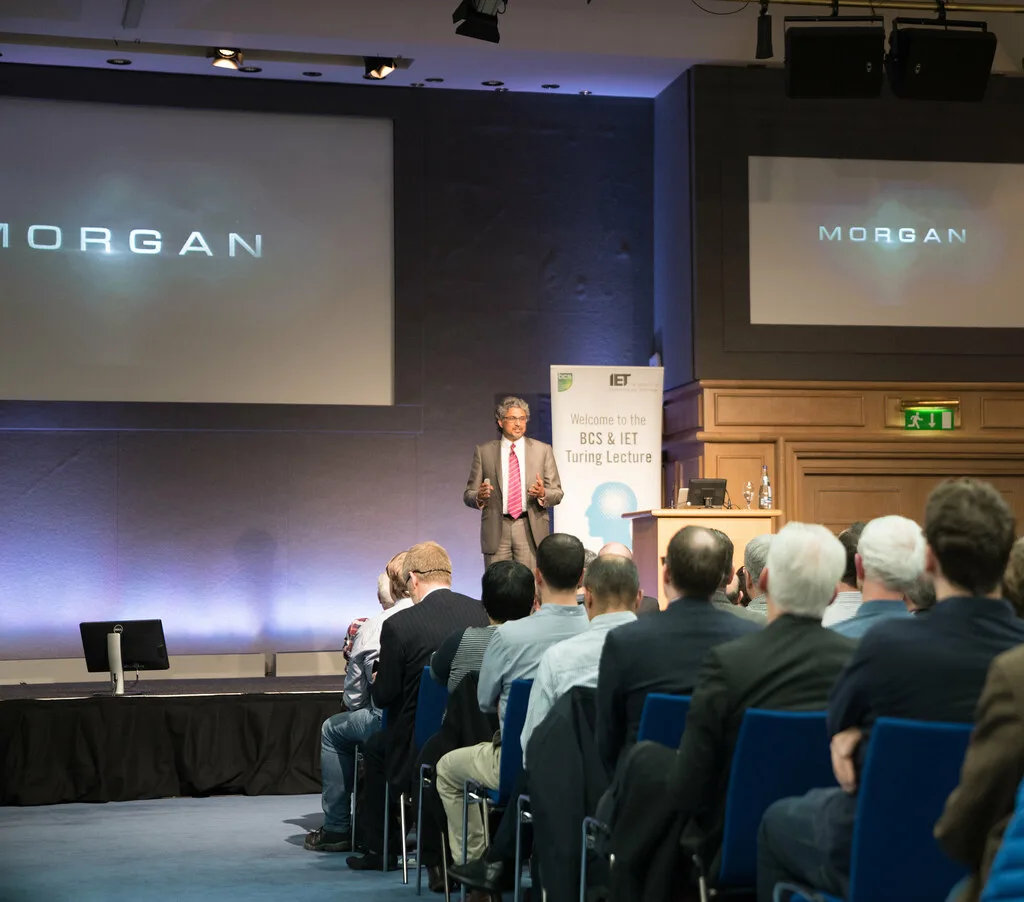
As artificial intelligence systems achieve unprecedented levels of sophistication in 2024, global industry leaders are shifting the focus from technological capability to the essential role of human judgment, creativity, and leadership. Across major sectors, from finance to creative arts, executives are increasingly viewing AI as a collaborative tool rather than a replacement for human cognition, emphasizing that the future of work hinges on responsible implementation rather than pure automation.
The Evolution of the AI-Human Partnership
The rapid proliferation of generative AI tools over the past two years has sparked intense debate regarding the longevity of traditional roles. While early concerns focused on displacement, current industry discourse centers on the concept of ‘augmented intelligence,’ where machines handle data-heavy tasks while humans provide the contextual nuances that AI currently lacks.
According to a recent report by the World Economic Forum, while 85 million jobs may be displaced by a shift in the division of labor between humans and machines by 2025, 97 million new roles may emerge that are more adapted to this new division. This shift suggests that the primary challenge for modern organizations is not the technology itself, but the organizational culture required to integrate it effectively.
The Limits of Algorithmic Decision-Making
Despite the speed and efficiency of machine learning models, experts point to critical gaps in AI’s capacity for true leadership. Human decision-making is often informed by empathy, ethical considerations, and long-term strategic vision—elements that remain difficult for large language models to replicate accurately.
Dr. Sarah Jenkins, an AI ethics researcher, notes that AI models are inherently constrained by the data sets they are trained upon. ‘An algorithm can optimize for efficiency, but it cannot navigate the complex, often irrational, landscape of human behavior or organizational politics,’ she stated. This limitation forces businesses to retain human oversight for high-stakes decisions where accountability and moral judgment are paramount.
Creativity in the Age of Automation
The creative industries have served as the frontline for the AI debate, particularly concerning intellectual property and originality. While AI can generate visuals and text in seconds, industry leaders argue that human creativity is defined by intention and lived experience—factors that machines cannot simulate.
Data from McKinsey & Company indicates that while AI can assist in the technical aspects of creative work, the demand for ‘human-centric’ content is rising. Consumers are increasingly seeking authenticity, which requires a human creative director to curate and refine the output generated by AI tools. This creates a new workflow where the human acts as an editor and visionary, rather than a sole producer.
Strategic Implications for the Workforce
For the average employee, the rise of AI necessitates a shift in skill development toward high-level critical thinking and emotional intelligence. Industry analysts suggest that the most valuable workers in the coming decade will be those who can effectively ‘prompt’ and govern AI systems while maintaining the ability to challenge algorithmic bias.
Businesses are now prioritizing ‘AI literacy’ as a core competency for leadership teams. The goal is to move beyond mere tool adoption toward a strategic framework where AI manages the repetitive, while humans focus on innovation, team morale, and complex problem-solving.
What to Watch Next
Moving forward, the industry will likely see a surge in regulatory frameworks designed to define the boundaries of AI usage in leadership and creative roles. Keep an eye on emerging corporate governance standards regarding AI transparency, as these will dictate how much autonomy machines are granted in decision-making processes. The success of future enterprises will likely be measured by their ability to balance technological efficiency with the irreplaceable value of human perspective.