

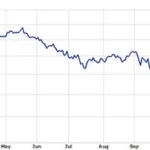



Shares of Swiss wealth manager Julius Baer Gruppe tumbled in early trading this week after the firm reported a significant deceleration in client money inflows during the first quarter of 2024. The Zurich-based bank, a cornerstone of the Swiss financial sector, attributed the decline to a more conservative risk management strategy and heightened geopolitical instability stemming from the ongoing conflict in the Middle East.
A Shift in Risk Appetite
The slowdown follows a period of strategic recalibration for the institution. Following high-profile credit losses related to the collapse of the Signa Group, Julius Baer has moved to tighten its internal lending criteria and risk assessment frameworks.
This shift in policy has naturally impacted the volume of new assets under management. By prioritizing capital preservation over aggressive expansion, the bank has signaled a defensive stance that has resonated cautiously with investors.
Geopolitical Volatility and Market Uncertainty
Beyond internal policy changes, the bank pointed to external factors that have chilled investor sentiment. The escalation of conflict in the Middle East has introduced a layer of macroeconomic uncertainty that typically drives high-net-worth individuals toward liquidity rather than new investments.
Data from the broader wealth management sector suggests that private banking clients are currently maintaining higher cash positions. This trend reflects a global environment where inflation, shifting interest rate expectations, and regional wars have pushed risk-averse behavior to the forefront.
Expert Analysis and Industry Outlook
Financial analysts note that while the inflow slowdown is concerning, it reflects a broader industry trend of cautious asset allocation. According to recent market reports, global wealth managers are seeing a deceleration in net new money as clients wait for clearer signals regarding central bank policy.
“The market is currently rewarding stability over growth,” noted one senior financial strategist. “Julius Baer is navigating a delicate balance between maintaining its reputation for safety and attempting to capture market share in a volatile environment.”
Long-term Implications
For shareholders, the immediate dip in stock price underscores the sensitivity of wealth management firms to both internal credit decisions and external geopolitical shocks. The transition to a more risk-averse model is expected to persist through the remainder of the fiscal year.
Industry observers will watch closely for the bank’s next quarterly earnings report to determine if the slowdown represents a temporary adjustment or a more sustained cooling of growth. Investors are also monitoring whether the bank’s efforts to deleverage will successfully restore confidence among institutional and private clients by the close of the year.