


Rising Energy Costs Impact Consumer Stability
Escalating geopolitical tensions in the Strait of Hormuz have triggered a sharp spike in U.S. fuel prices this week, pushing domestic inflation to its highest level in three years. As the conflict threatens vital shipping lanes, American households face immediate financial strain, with rising energy costs rapidly eroding recent wage gains and cooling consumer sentiment across the nation.
The Geopolitical Context of Energy Markets
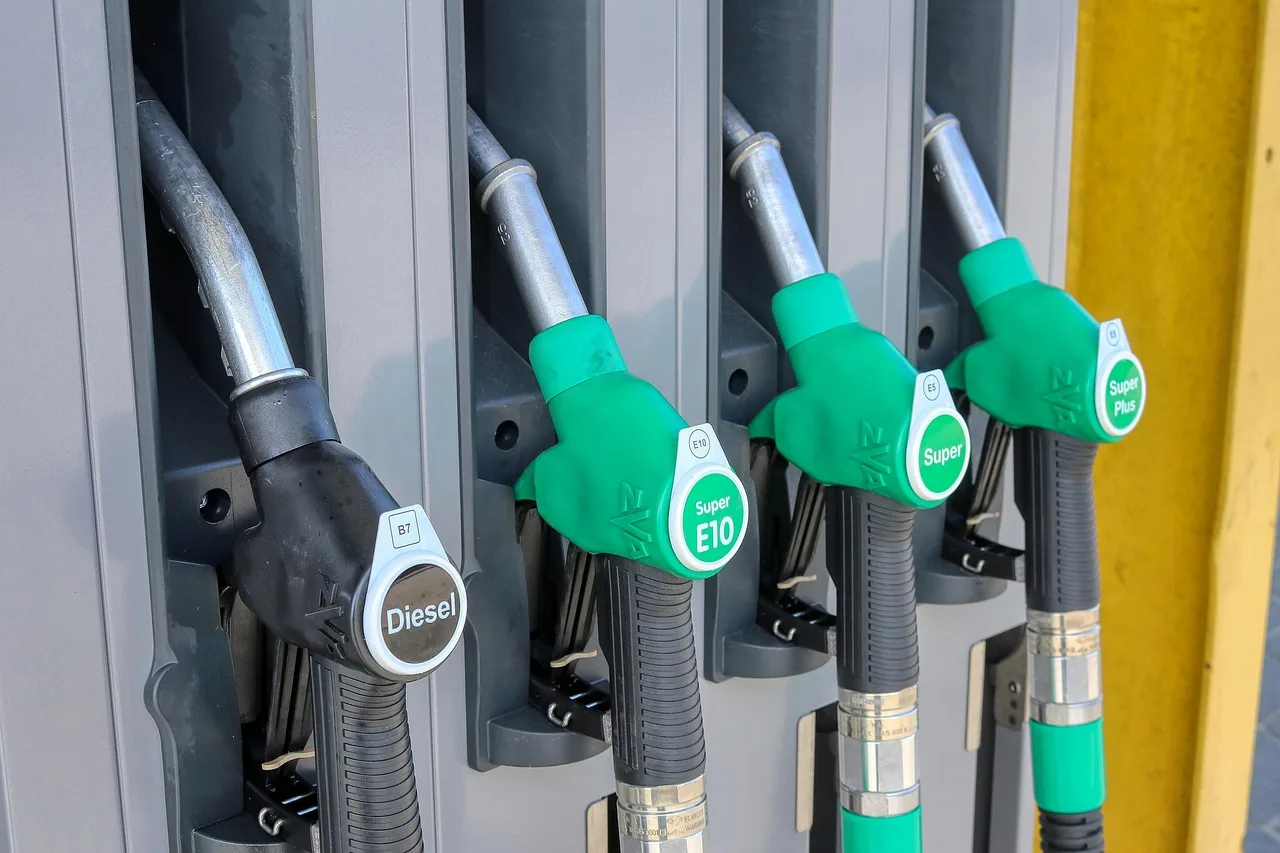
The Strait of Hormuz remains the world’s most critical oil chokepoint, with approximately 21 million barrels of oil passing through daily, according to the U.S. Energy Information Administration. Any disruption in this region creates immediate ripples in global supply chains, forcing energy traders to bake geopolitical risk premiums into futures contracts. This volatility has translated directly to the pump, where national average gas prices have climbed for fourteen consecutive days.
Economic Resilience Amidst Inflationary Pressure
Despite the sudden energy shock, the U.S. economy has demonstrated surprising resilience throughout the fiscal year. Labor Department data confirms steady job growth and sustained consumer spending, providing a buffer against external price shocks. However, economists warn that the current inflationary spike acts as a hidden tax, disproportionately affecting low-to-middle-income families who allocate a higher percentage of their earnings to transportation and heating.
Data Points and Expert Analysis
Financial analysts point to the bond market as a primary indicator of deepening economic anxiety. Ten-year Treasury yields have surged, reflecting investor concerns that the Federal Reserve may be forced to maintain higher interest rates for longer to combat energy-driven inflation. According to the Bureau of Labor Statistics, energy costs were the primary driver of the latest Consumer Price Index (CPI) increase, accounting for more than 40% of the monthly gain.
Broader Implications for Households and Industry
The persistence of these energy costs threatens to stall the momentum of the broader economic recovery. For households, the immediate impact is a reduction in discretionary income, which could dampen retail performance heading into the next quarter. Industries reliant on logistics and manufacturing are also bracing for increased operational costs, which firms may eventually pass on to consumers through higher prices for goods and services.
Looking Ahead
Market observers are now closely monitoring diplomatic efforts in the Middle East for any signs of de-escalation that could stabilize oil futures. Observers suggest that if the conflict in the Strait of Hormuz persists through the next quarter, businesses may begin to revise their capital expenditure plans downward. Whether the current inflationary spike remains transitory or becomes embedded in the broader economy will likely dominate upcoming discussions among policymakers and central bankers.