



Major Gas Discovery in Rajasthan
Oil India Limited (OIL) confirmed a significant natural gas discovery this week at its Dandewala-1 exploration block located in the Jaisalmer basin of Rajasthan. This discovery marks a pivotal moment for India’s domestic energy production, as the state-owned enterprise intensifies its efforts to reduce reliance on imported fuels.
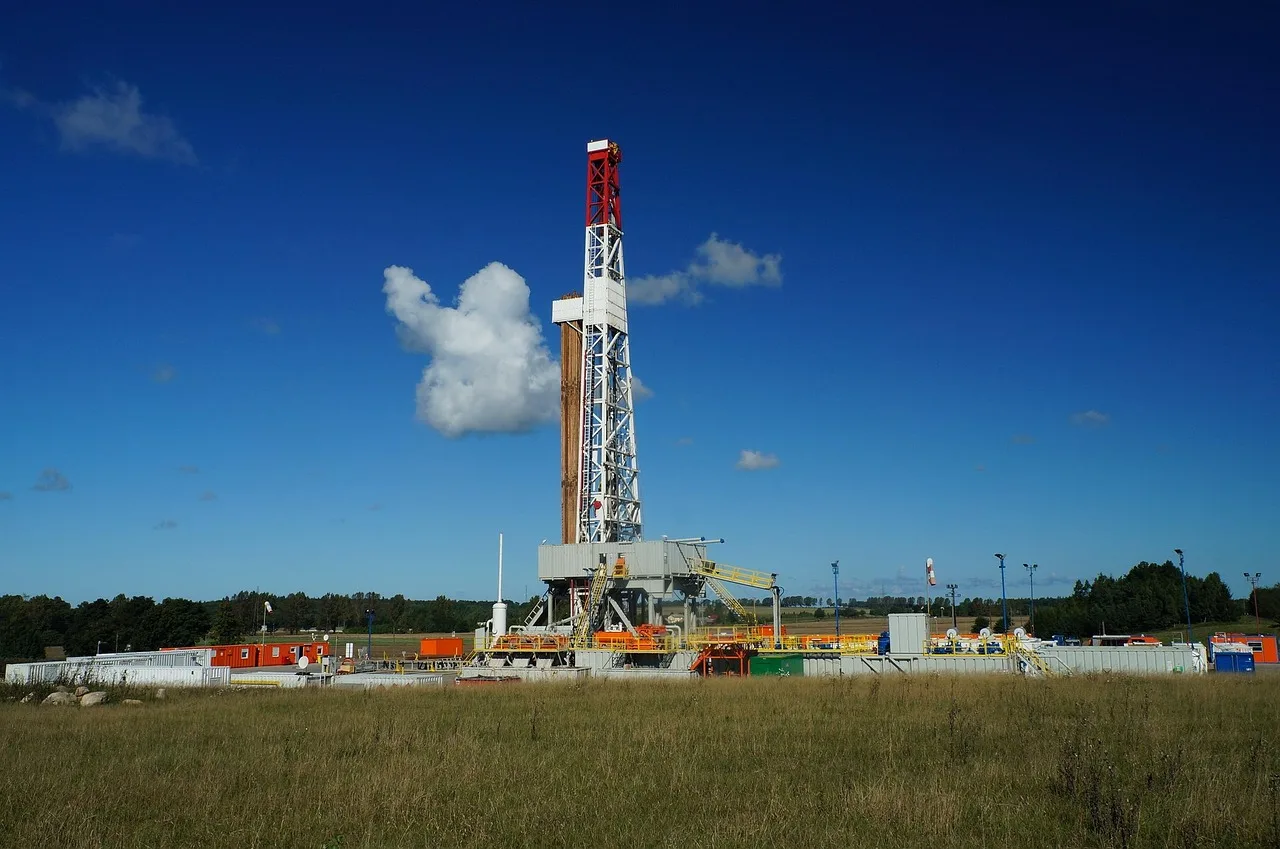
The Dandewala field has long been a focal point for geological surveys, but recent drilling operations successfully tapped into a high-pressure gas zone. Initial flow tests indicate promising reservoir characteristics, though engineers are currently conducting detailed analysis to determine the total volume of the reserves.
Context of the Jaisalmer Basin
The Jaisalmer basin is recognized as a frontier area in India’s hydrocarbon exploration map. While the region has historically yielded smaller gas deposits, recent advancements in seismic imaging and drilling technology have allowed companies like OIL to explore deeper, more complex strata.
India currently imports over 80% of its crude oil and a significant portion of its natural gas requirements. By expanding exploration in basins like Jaisalmer, the government aims to bridge the gap between domestic production and surging industrial demand.
Technical and Operational Scope
The discovery at Dandewala-1 involved the use of advanced directional drilling techniques that allow for precise navigation through subterranean rock formations. This method minimizes environmental disruption while maximizing the chances of intersecting porous gas-bearing layers.
According to industry data from the Directorate General of Hydrocarbons, such discoveries are essential for maintaining the momentum of the ‘Atmanirbhar Bharat‘ (Self-Reliant India) initiative. The project is expected to undergo a multi-phase testing period before commercial production can be sanctioned.
Expert Perspectives
Energy analysts suggest that even modest discoveries in onshore blocks can significantly alter the local economic landscape.