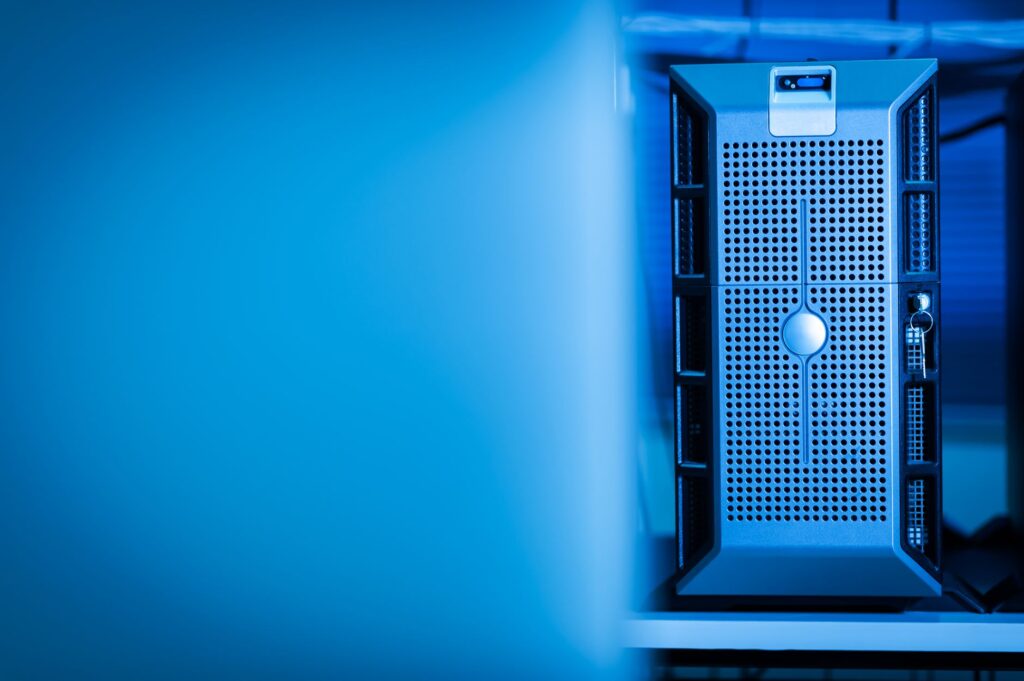

Standard Engineering (SETL), a prominent small-cap player, is set to capture investor attention this Monday following the announcement of a controlling stake acquisition in GScale Energy. This ₹500 crore strategic investment marks the company’s formal entry into the high-growth artificial intelligence (AI) data centre market, signaling a pivot toward high-tech infrastructure.
Strategic Expansion into Data Infrastructure
The acquisition allows Standard Engineering to integrate GScale Energy’s specialized expertise in sustainable power and cooling solutions for data centers. As AI computation demands surge globally, the necessity for high-density, energy-efficient data facilities has become a critical bottleneck for tech giants.
Standard Engineering aims to utilize this partnership to capture a significant share of the burgeoning domestic data centre market. By leveraging GScale’s existing infrastructure, SETL projects a 40% to 50% increase in its core revenue streams by the end of the 2027 fiscal year.
Market Context and Industry Growth
The global data centre industry has experienced an unprecedented shift as generative AI models require massive processing power. According to recent market analysis from industry research firms, the demand for specialized power infrastructure is expected to grow at a compound annual growth rate (CAGR) of over 15% through 2030.
For Standard Engineering, this move represents a transition from traditional engineering services to a more specialized, high-margin niche. Investors have historically viewed the company as a small-cap firm with stable, slow-growth assets, making this aggressive expansion into AI a fundamental shift in the company’s risk and reward profile.
Expert Perspectives on the Acquisition
Financial analysts note that the ₹500 crore valuation underscores a high level of confidence in the synergy between the two firms. Market experts emphasize that the success of this acquisition will largely depend on the speed of implementation and the ability of SETL to secure long-term contracts with cloud service providers.
“The move into the AI data centre space is a logical progression for engineering firms looking to escape the commoditization of traditional infrastructure projects,” said an independent market analyst. “However, the capital expenditure required to maintain these facilities remains a significant variable for small-cap players.”
Long-term Implications and Future Outlook
The immediate implication for shareholders is a period of heightened volatility as the market digests the integration costs and the potential for long-term revenue growth. Investors will be watching the company’s quarterly earnings reports closely for signs of capital allocation efficiency.
Looking ahead, the primary metric to monitor will be the utilization rates of GScale’s data centre facilities. Furthermore, market observers should track potential future partnerships with major hyperscalers, as these will be essential for validating the viability of the acquisition on a larger, competitive scale. The company’s ability to meet its FY2027 revenue targets will ultimately define whether this strategic pivot yields the expected shareholder value.